 Strategic Resource Intelligence
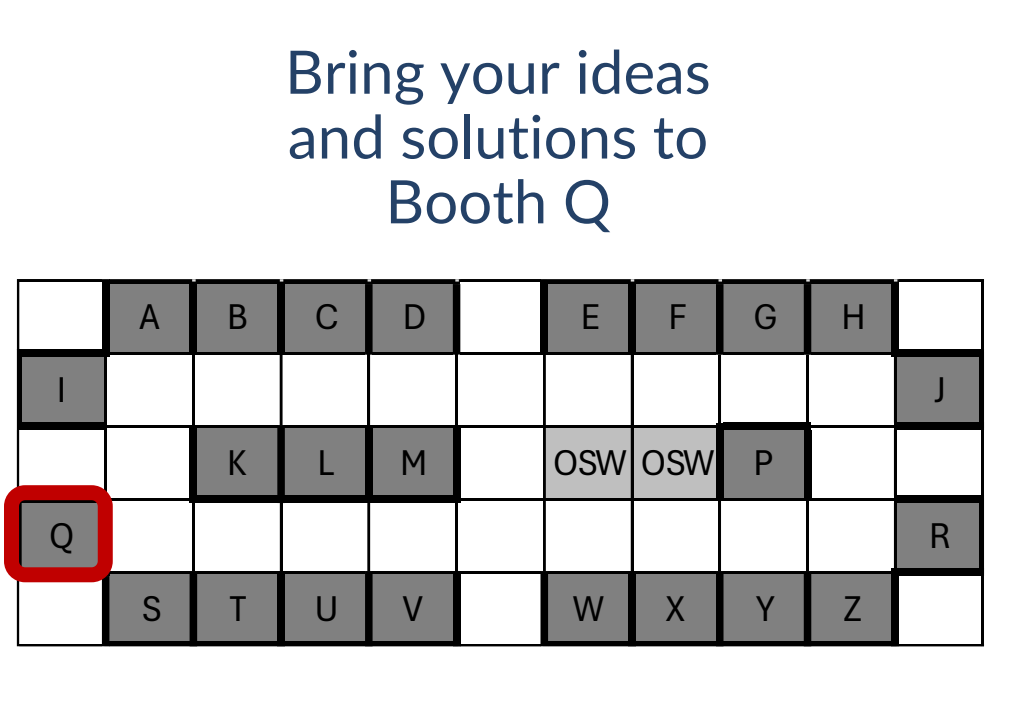
On August 25, an Army Corps of Engineers challenge at DIBX’s Booth Q will put a deceptively simple problem in front of engineers, manufacturers, acquisition leaders and investors: how should the Army mitigate corrosion on grounding wires in the field?
The official Power Solutions card defines the failure mode and invites solutions without prescribing a material, product or procurement path. Before anyone asks for more domestic supply, the room can establish what the conductor must do, which part is corroding, whether the answer is maintenance or replacement, and what a better result would look like in the field.
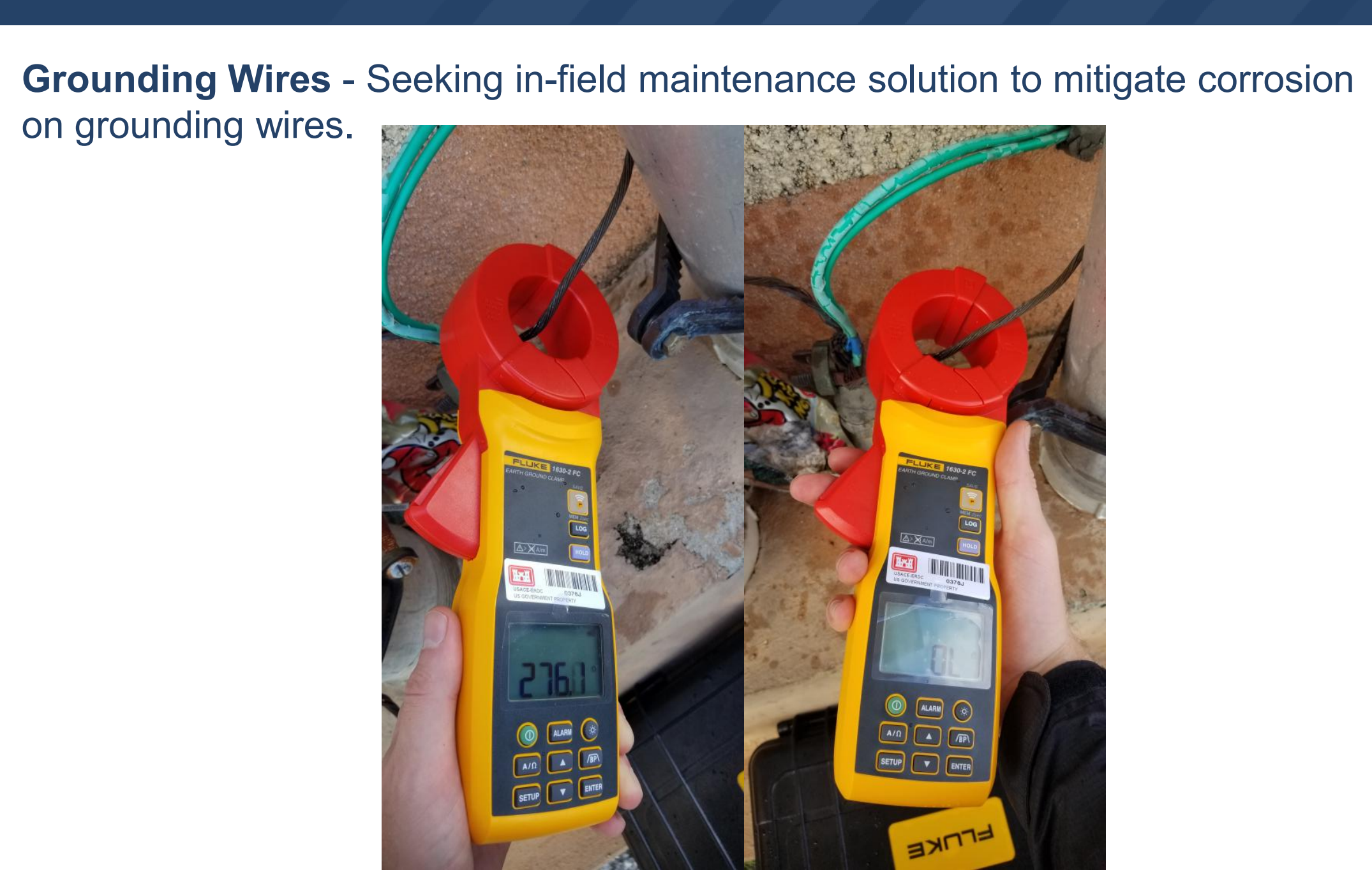
Arizona copper supply earns its place only if its form, specification or availability improves that outcome.
 Taylor Cross
Start at the wire
The grounding-wire challenge gives DIBX something broad critical-minerals conversations often lack: a named problem owner, a physical failure and a place to take the next question. A productive exchange at Booth Q can move quickly from “corrosion” to the operating environment, conductor design, maintenance burden and consequence of failure.
Material choice is one possible lever. Protection, repair technique, inspection, connection design or a full replacement approach may prove more important. If copper is part of the preferred answer, the next questions become specific: what conductor or component is needed, to which specification, in what form, on what schedule and through which qualification path?
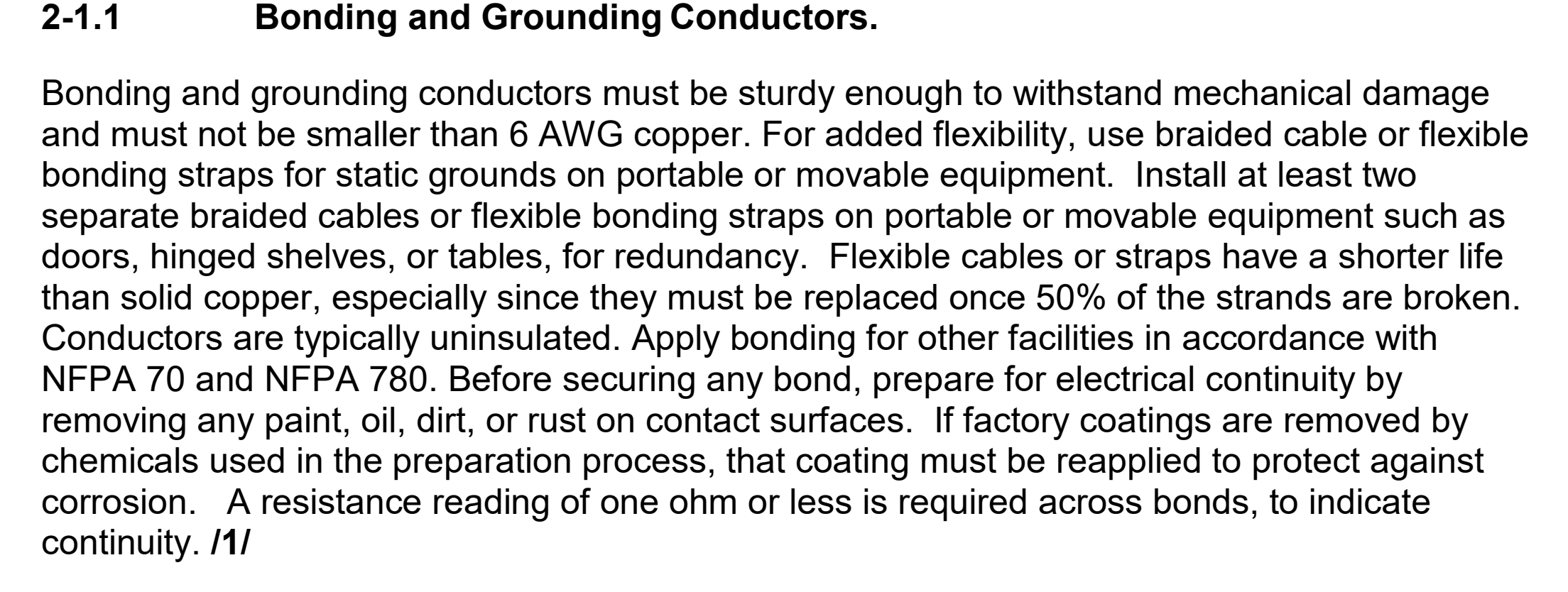
An active Defense Department facilities criterion shows why that level of detail matters. Its rules for static grounding call for copper conductors at a minimum size, allow braided cable or flexible straps for movable equipment, and address service life and corrosion protection. It is not the specification for the DIBX challenge. It is a concrete example of one grounding function becoming decisions about gauge, flexibility, connections, coatings and maintenance, not simply a request for raw metal.
Those details are where mine supply finally meets mission need. Arizona accounted for about 70 percent of U.S. recoverable copper mine production in 2025, according to USGS. The same chapter estimated net imports at 57 percent of U.S. apparent consumption. Arizona’s production base therefore matters whenever a verified requirement calls for additional domestic copper.
For DIBX attendees, that concentration makes Arizona the country’s most consequential starting point when a verified program need calls for additional U.S.-mined copper. Arizona belongs in that national capacity discussion. The remaining job: connect mine output to the exact refined, fabricated and qualified form the program can use.
Mine output is only the beginning of the route. Copper can pass through refining, rod, wire, alloying and component manufacturing before becoming part of a defense system. Scrap, inventory, allied supply, substitution and redesign can also answer a need. Arizona’s advantage matters when a producer or processor can deliver the form, specification and date that a manufacturer can actually use.
One challenge gives the room four useful jobs
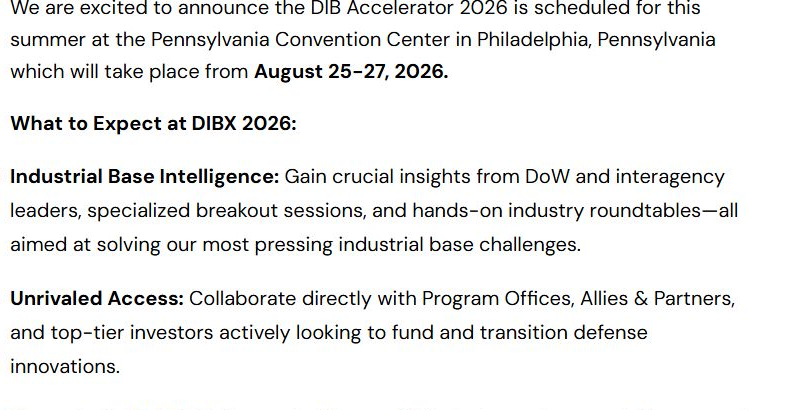
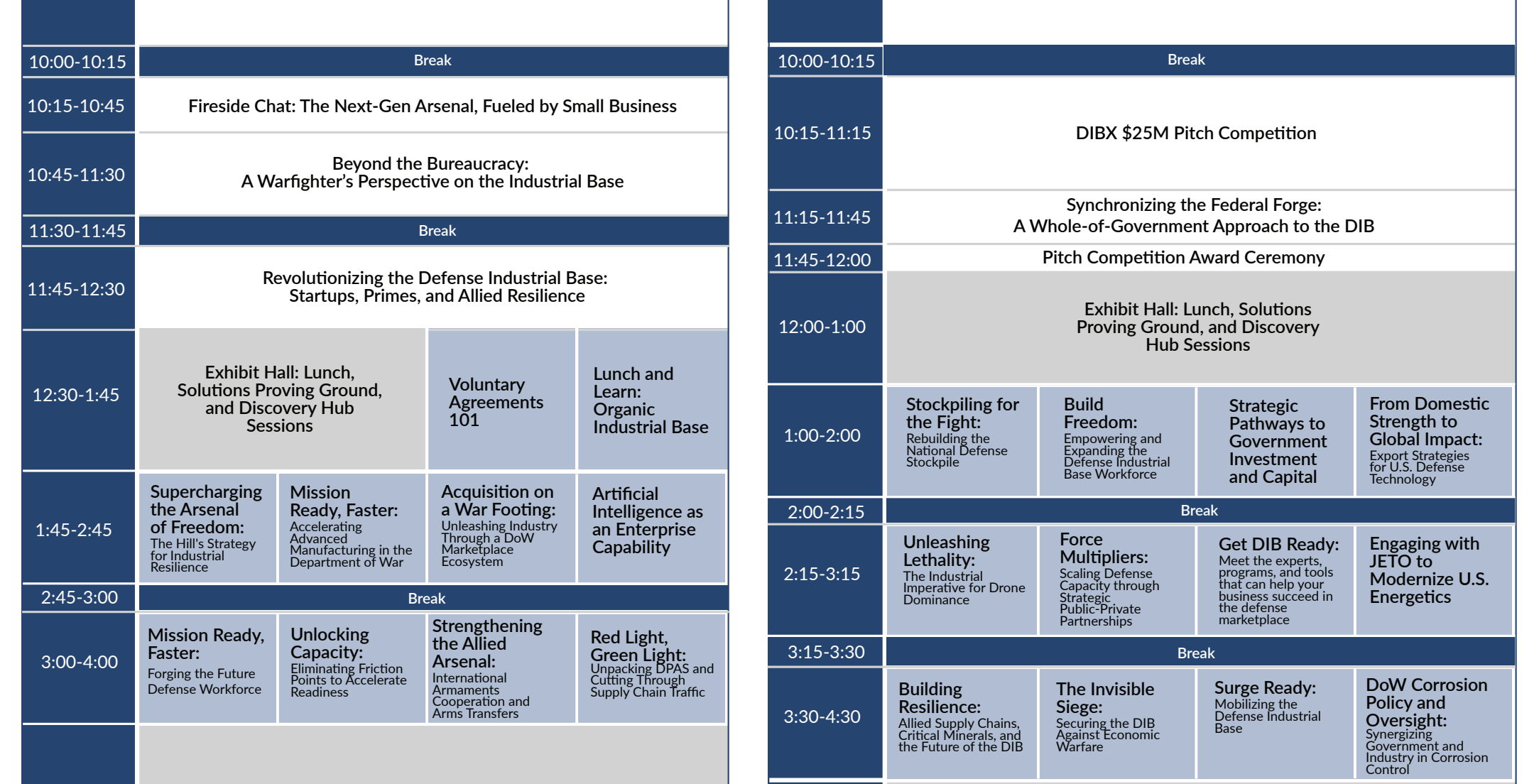
The Defense Industrial Base Accelerator is built for this kind of handoff. Its August 25–27 program brings Department and interagency leaders together with program offices, allied participants, primes, manufacturers, small businesses, nontraditional contractors and private capital. The agenda moves through advanced manufacturing, stockpiling, allied supply chains, private markets and critical minerals.
At Booth Q, Army engineers and requirement owners can pin down where corrosion starts and what a field fix must survive. A manufacturer can turn that into conductor, connection and product questions. Suppliers can say what exists today. Capital only needs to enter once the room can see a repeatable gap rather than a one-off repair.
That sequence is valuable even when it ends quickly. A maintenance fix can stop an abstract mineral claim from wandering through the conference. A real product or capacity need, by contrast, can leave the booth with a shape, a date and someone prepared to test it.
DIBX’s broader Solutions Proving Ground shows why that discipline matters. Its public problem set spans Manufacturing, Next Generation Munitions, Power Solutions, Supply Chain Independence, Secure AI Integration and Additional Challenges. The same Power Solutions overview asks for heat-exchanger technology that can prevent corrosion and scaling in deep-seawater cooling. In both cases, the route begins with the failure to be solved—not with a predetermined material answer.

The Defense Department has described critical-minerals resilience in similarly connected terms. A January 2025 Department account linked secure sourcing with production capacity, labor, training and stockpiling. DIBX does not have to settle that entire national challenge. It is designed to convene people responsible for adjacent parts of the chain, giving one real decision a chance to improve.
 Taylor Cross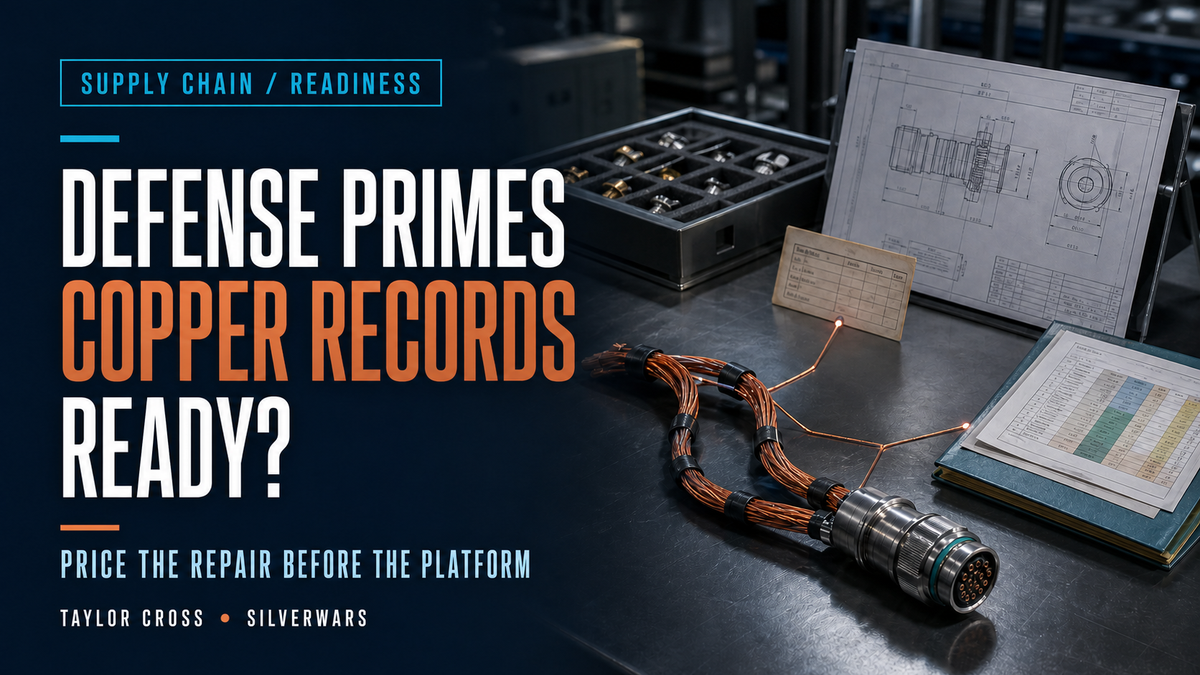
The question worth carrying across the floor
For Arizona copper supplies, the strongest question is not “Do you need more copper?” It is: If copper is part of the grounding-wire solution, what exactly must be supplied, by when, and who owns the next test?
If Booth Q points to an existing product, engineers can hand technical and supplier-quality teams a real specification to examine. If maintenance settles the failure, the mineral discussion can end without wasting another meeting. If the same need exposes a repeatable material or processing gap, requirement owners gain something specific for market research and investors gain something tangible to price.
The consortium’s DIBX networking sessions are intended to surface industry friction points and help refine acquisition processes. Booth Q offers a ready-made place to do that. By the end of the exchange, the room should know whether copper matters to this fix, which piece of the value chain matters most and who should run the next test.
Arizona supplies most of America’s mined copper. At Booth Q, attendees can ask the more valuable question: can that supply improve a real defense outcome? The answer may be copper, another material or better maintenance. What matters is that the room can leave knowing why.