Strategic Resource Intelligence
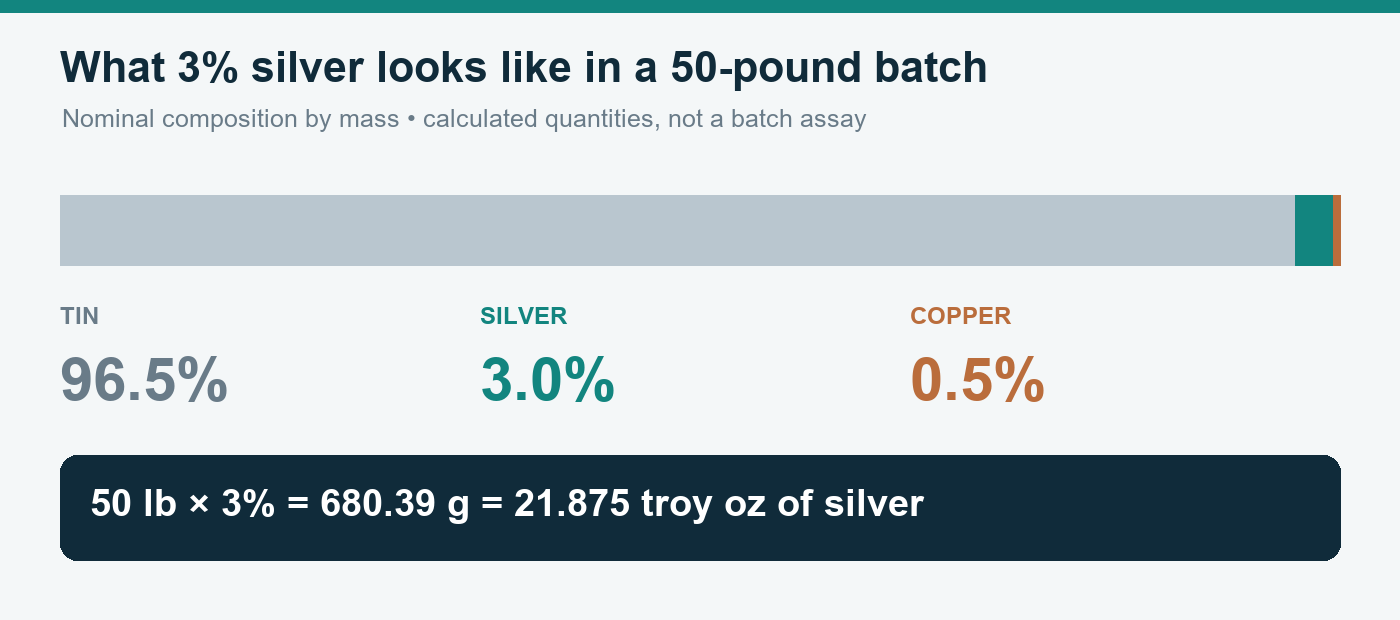
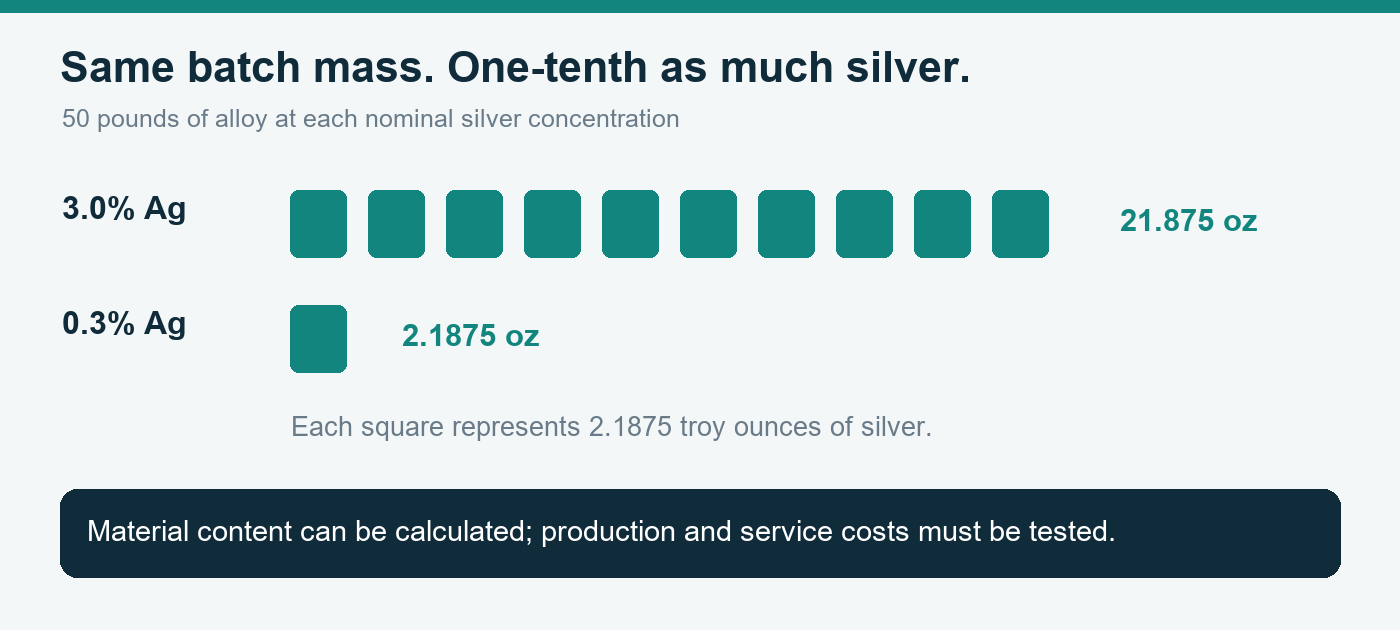
Fifty pounds of SAC305 solder contains about 680 grams of silver, nearly 22 troy ounces, at the alloy’s nominal 3% silver content. Tin supplies 96.5% of the mass and copper the remaining 0.5%, according to ALPHA’s composition specification. The silver quantity follows from that composition and the standard troy-ounce conversion.
For an electronics manufacturer, the interesting part begins when the bar loses its shape. Its cost is spread across assemblies that must leave the line working and stay connected in service. A defective joint can mean rework at the plant or a repair after shipment. Silver contributes to both the process that makes the joint and the structure that must accommodate strain afterward.
Silver’s First Job Happens in the Melt
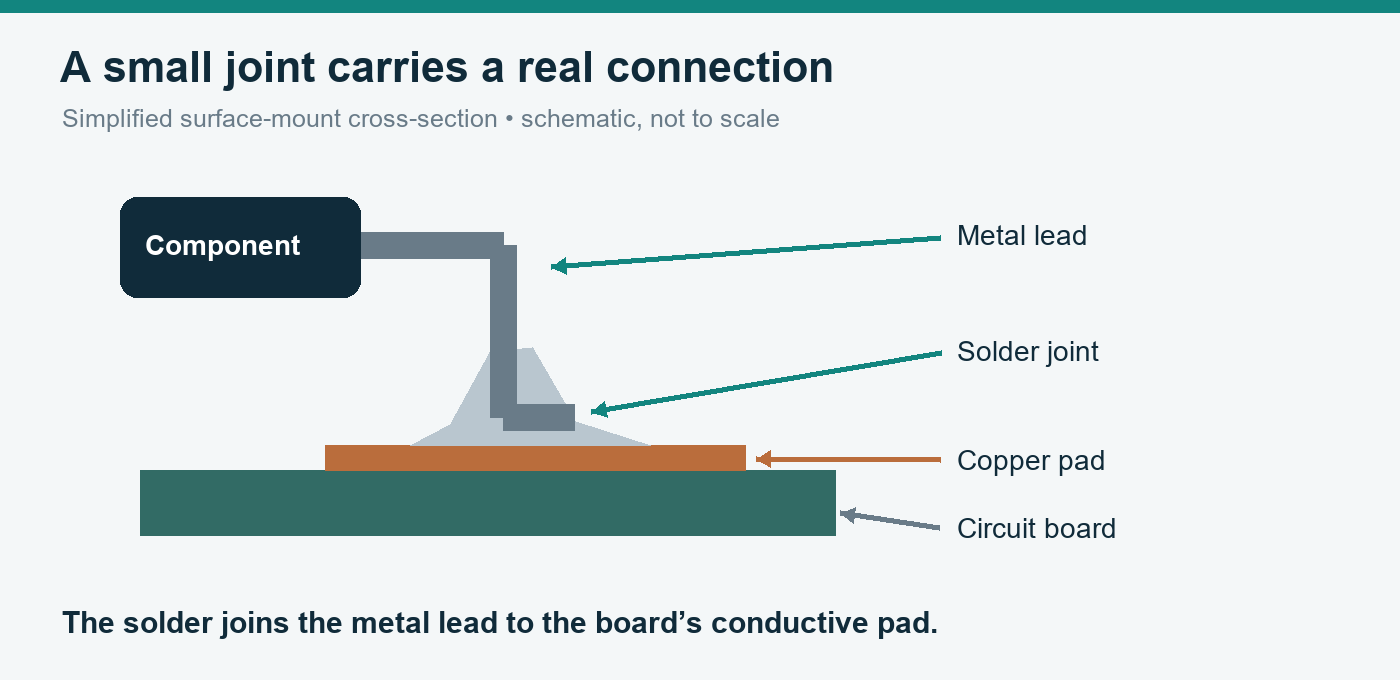
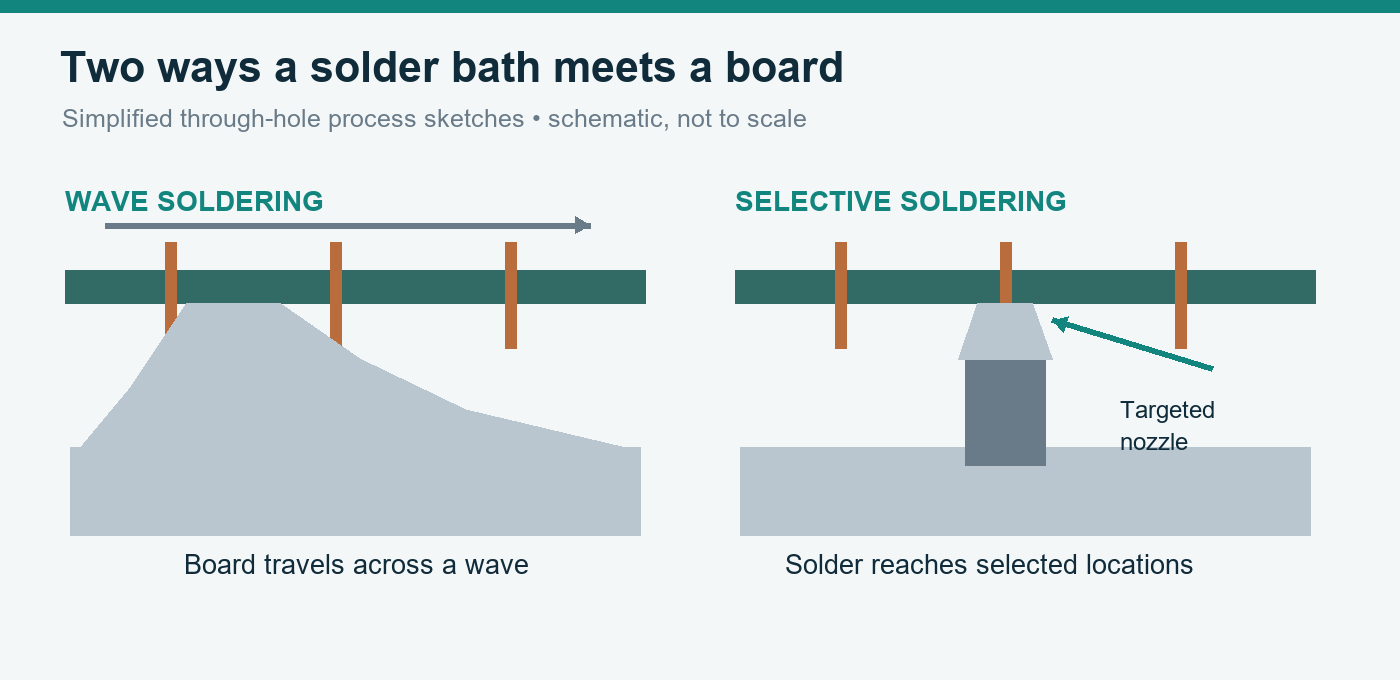
Bar solder feeds processes such as wave soldering, where the underside of a board meets a wave of molten alloy, and selective soldering, which applies molten solder at chosen locations. ALPHA lists SAC305 for both. The joint begins with liquid metal contacting the surfaces it must join; the bath’s composition helps determine how that contact develops.
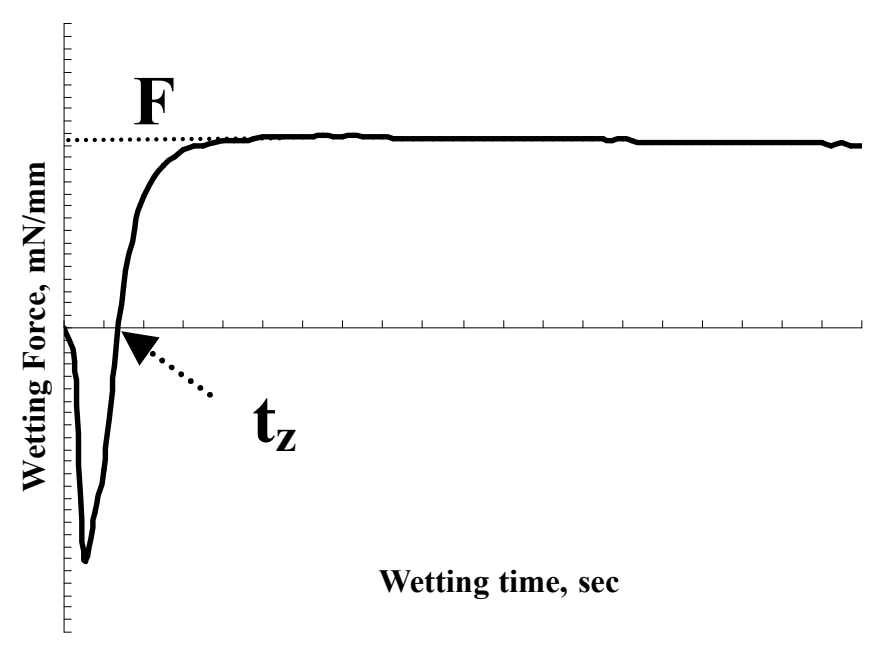
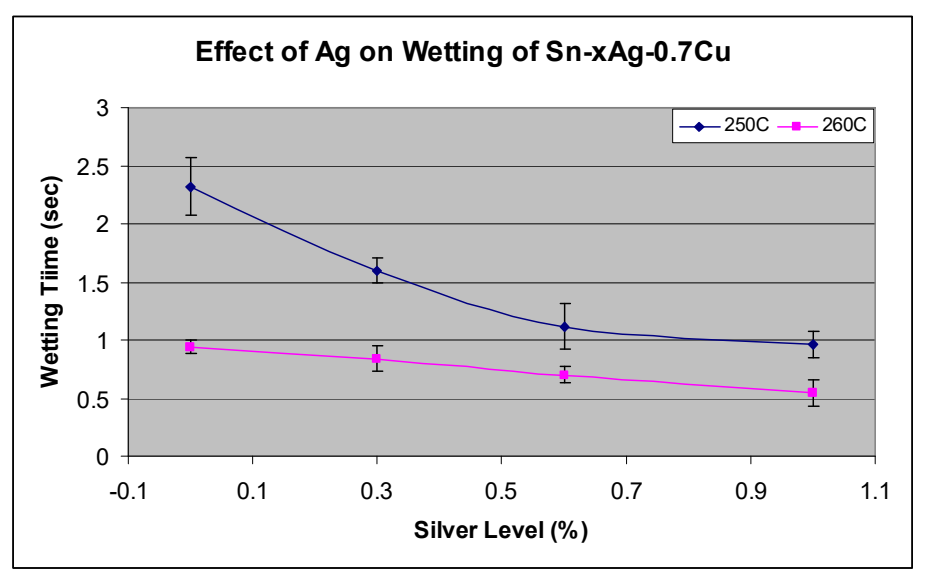
Wetting describes the molten solder’s ability to spread across a surface and establish contact. In a Cookson Electronics study, Ranjit Pandher and Tom Lawlor tested tin-copper alloys with different silver additions using a wetting balance. At 250°C, their tin–0.7% copper alloy took about 2.3 seconds to wet without silver. Adding 0.6% silver brought the result to roughly 1.1 seconds. A modest addition had changed the behavior of the melt appreciably.
Most of that improvement arrived below 1% silver. Further additions produced much smaller gains in that experiment. The benefit appeared during contact with molten solder. The coupon result cannot be converted into a factory output increase, and it gives no reason to assume that wetting alone requires SAC305’s full 3% silver content.
 Taylor Cross
Inside the Solid Joint
As SAC solder solidifies, silver reacts with tin to form silver-tin intermetallic particles, written Ag3Sn. An iNEMI-led industrial research collaboration describes these particles as a principal strengthening mechanism in the alloy. They obstruct movement within the tin-rich crystal structure, helping it resist deformation. Silver’s contribution here comes from the structure it creates with tin.
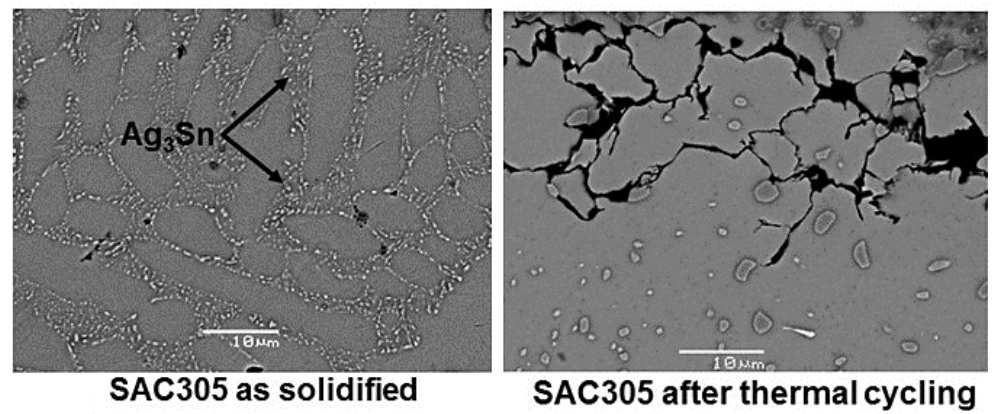
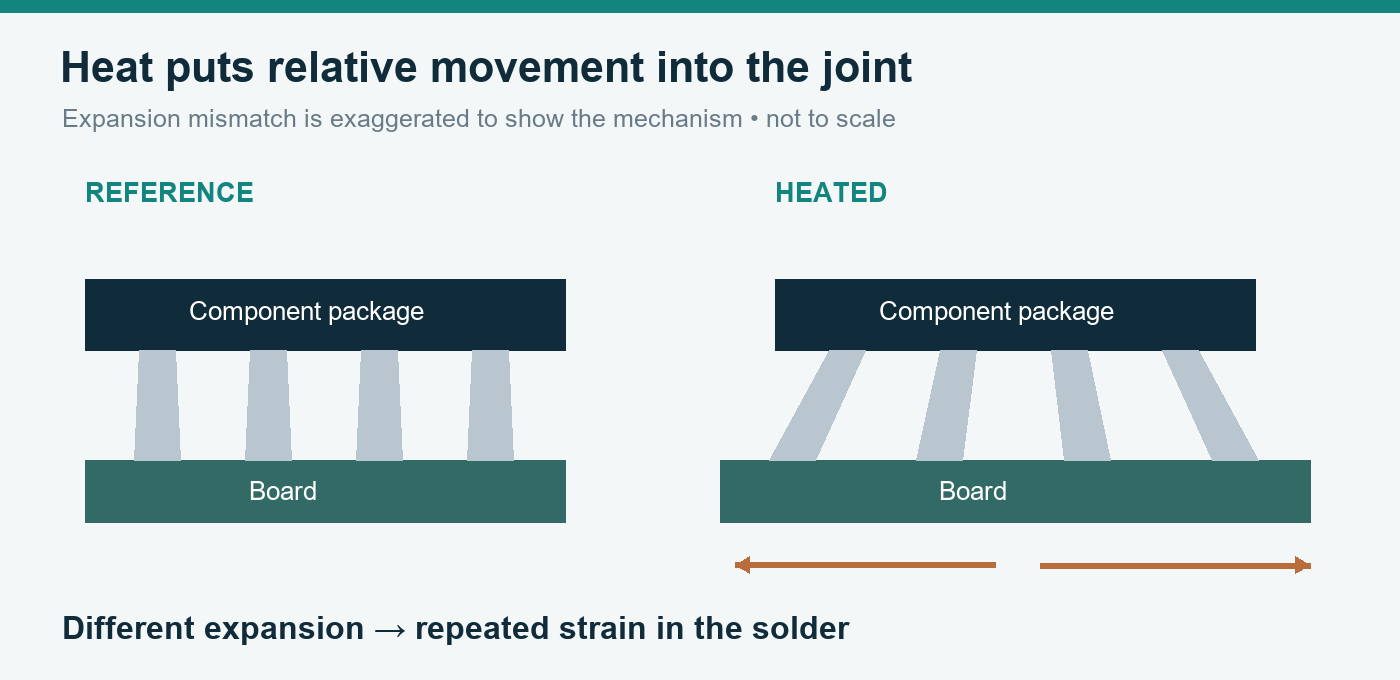
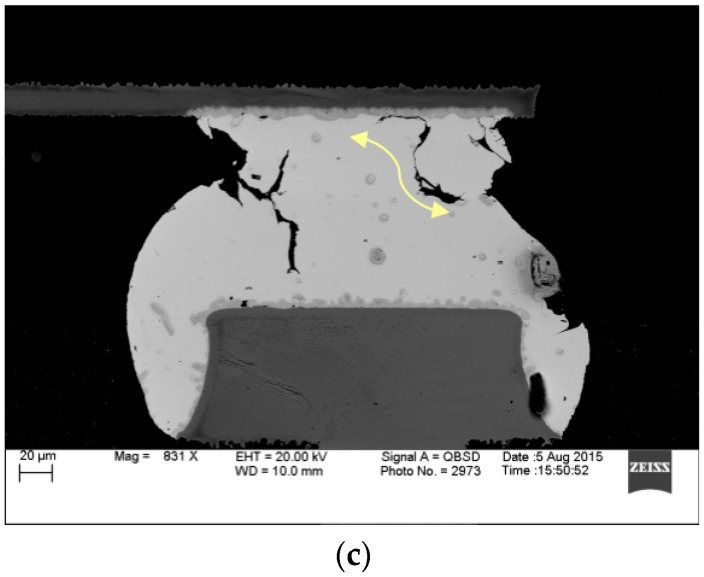
A component package and its circuit board expand by different amounts as temperature changes. The solder between them must accommodate that relative movement, so repeated heating and cooling repeatedly strains the joint. Solder can also deform gradually under sustained load, a process called creep. The iNEMI report shows Ag3Sn particles coarsening during thermal cycling, reducing their ability to impede deformation and slow damage. A joint’s mechanical condition therefore changes during service even though its nominal alloy name stays the same.
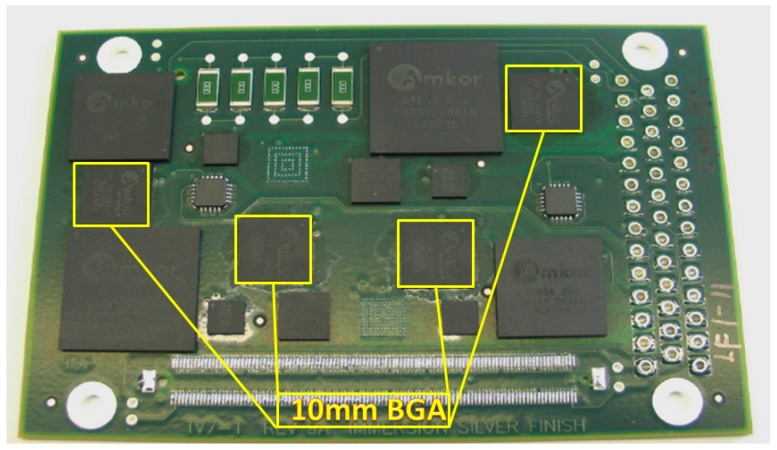
A 2017 board-level study by Shen and colleagues gives a concrete comparison. Researchers assembled small ball-grid-array packages using SAC305 and SAC105, which contains 1% silver rather than 3%. After a year of aging at 125°C, one matched surface-finish group was cycled between −40°C and 125°C. SAC305 reached a characteristic life of 2,671 cycles, against 2,022 for SAC105. “Characteristic life” is the fitted point at which 63.2% of samples would have failed, rather than the first failure or a prediction of years in service.
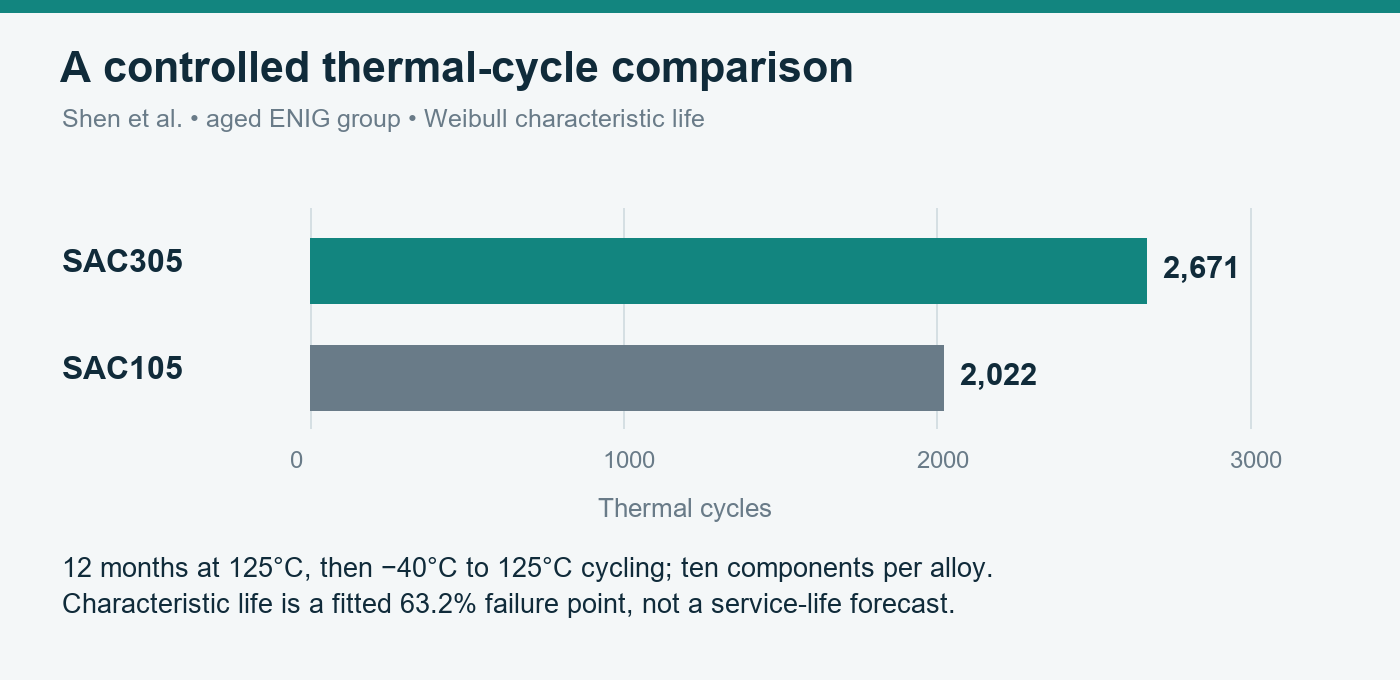
The aged comparison involved ten components per alloy. It used reflowed solder balls and paste, so it is evidence about these alloys in that assembly, not a qualification of a wave-soldered joint made from ALPHA bars. Within that test, the higher-silver alloy’s advantage survived prolonged hot aging. The difference appeared in measured electrical continuity during repeated thermal loading—the kind of performance a finished electronic assembly has to preserve.
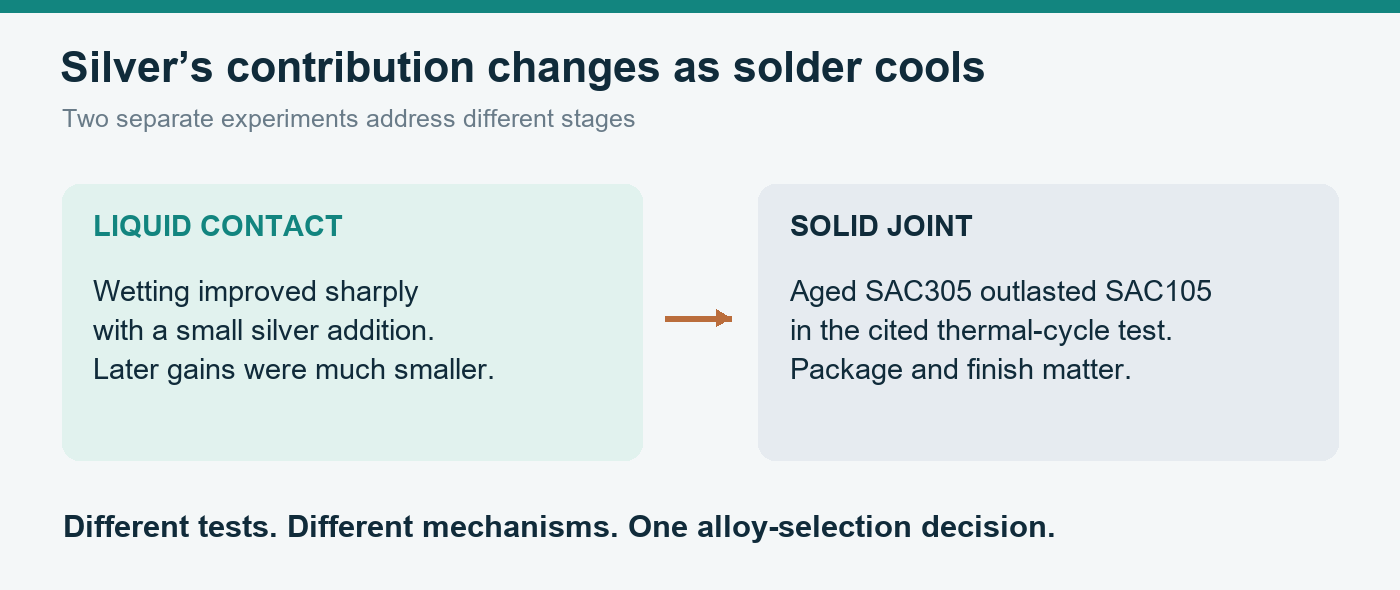
The two experiments put silver content in a more useful light. Wetting improved sharply with a small addition; the separate joint test found a durability advantage at 3% over 1%. The additional silver can earn its place through the solid joint’s behavior, even after the molten wetting benefit has largely leveled off. Which concentration earns that place on a particular board still depends on its construction and use.
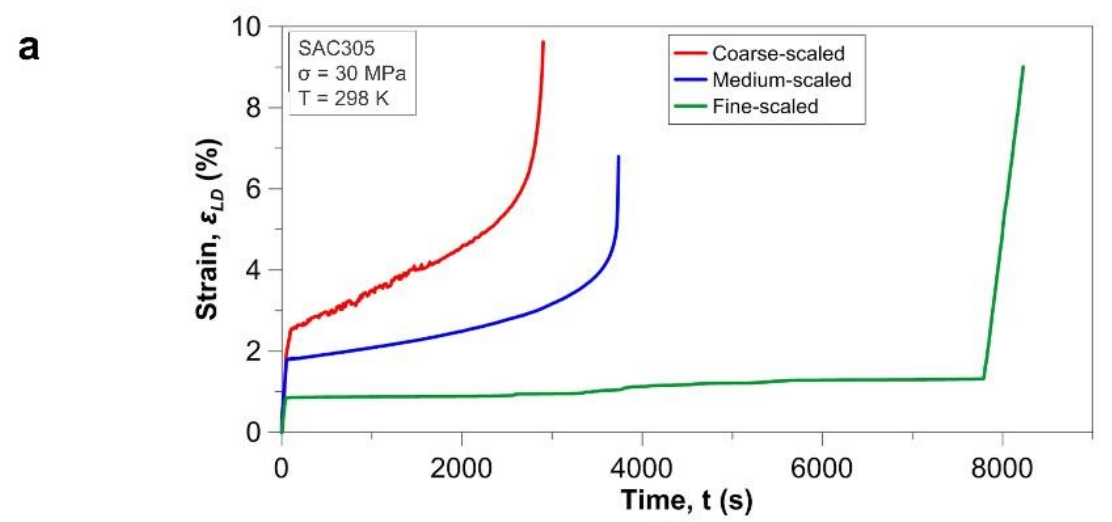
Composition is only part of that explanation. In research on SAC305 microstructures, Tianhong Gu, Christopher Gourlay and Ben Britton kept the alloy composition fixed while changing the scale of its internal structure. Their finer structures resisted creep better and lasted longer under the study’s loading conditions. These were controlled bulk specimens, not populated boards, but the result shows why buying the right alloy cannot do the manufacturing process’s work for it. The metal’s arrangement after solidification also matters.
The Cost Follows the Joint Beyond the Factory
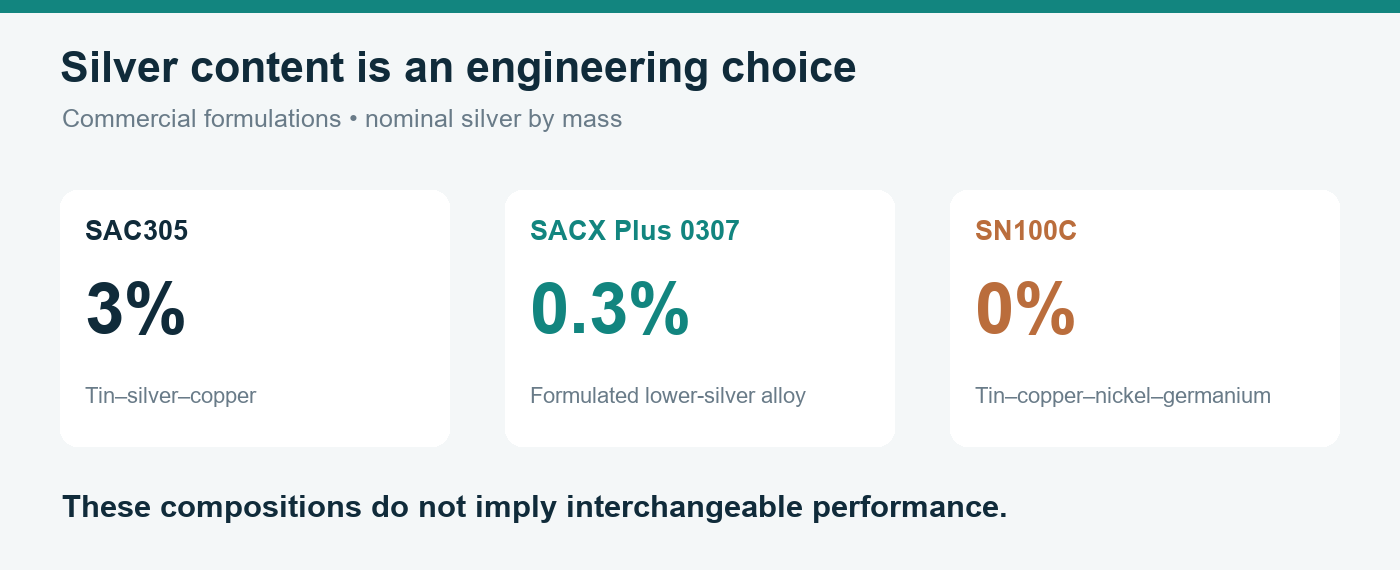
Manufacturers already have ways to use less silver. ALPHA’s SACX Plus 0307 datasheet specifies 0.3% silver in an alternative formulated for applications including wave soldering. Nihon Superior sells SN100C, a silver-free tin-copper alloy with nickel and germanium, for wave and selective soldering. These are different formulations with their own processing and performance characteristics. Their existence makes silver content a real engineering choice.
The material arithmetic is substantial: at 0.3% silver, the same 50 pounds of alloy contains about 2.19 troy ounces, one-tenth of the nominal silver in SAC305. A manufacturer considering the replacement has to compare it on the intended board, through the production process and against the required service conditions. A reduction in purchased silver can be valuable. Extra inspection, rework or repairs after shipment, if the substitution causes them, would draw against that saving.
Products exposed to repeated heating and cooling make the durability question especially relevant. A joint can pass the factory’s electrical test and develop damage later as its structure changes under thermal loading. The research does not price that exposure for a particular business. It explains why an alloy comparison reaches into the cost of supporting a product after the solder has been bought and the board shipped.
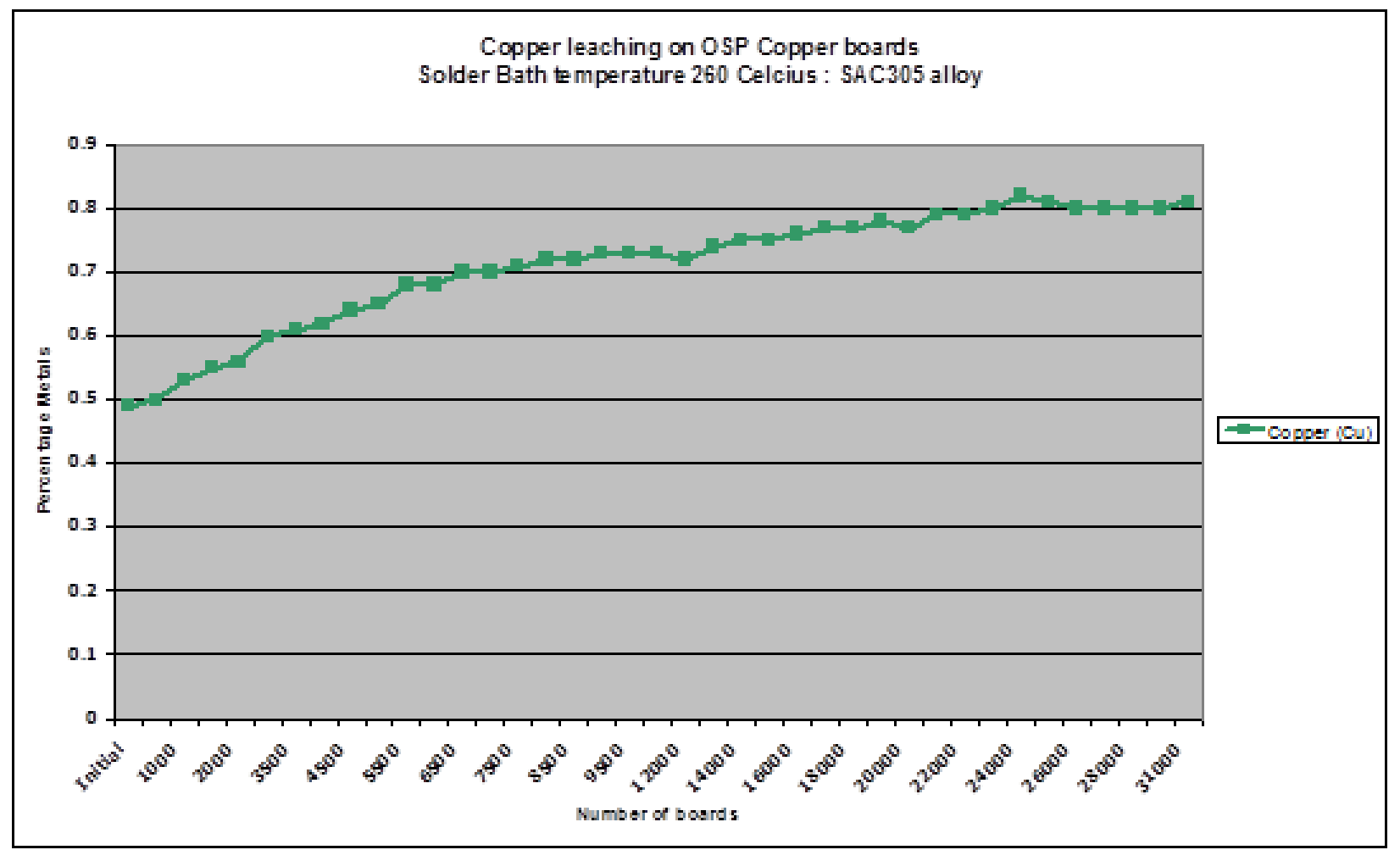
Even a retained SAC305 process has moving chemistry. ALPHA’s bulletin describes copper dissolving from boards and components into the solder bath, changing its composition and melting behavior. The bar specification is the starting point for a working bath that interacts with what passes through it. Consistent joints depend on managing that interaction as well as choosing the initial alloy.
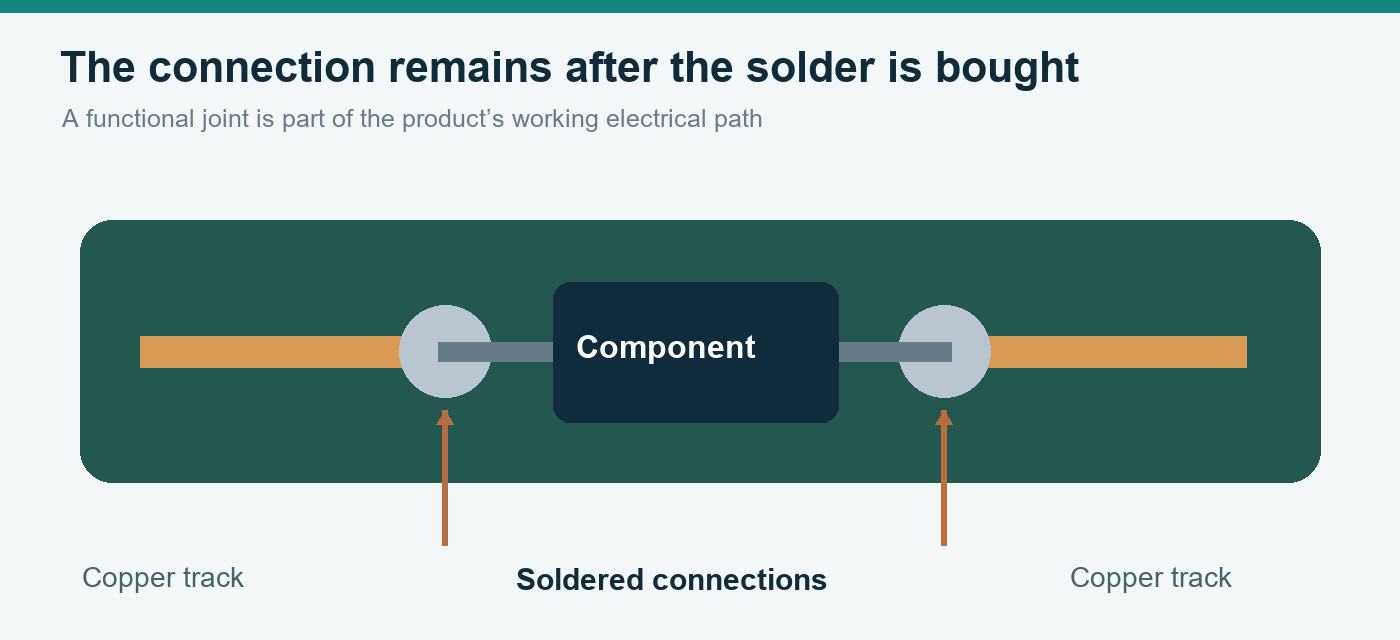
Where SAC305 suits the assembly, its silver helps form the connection and contributes to the structure that accommodates strain afterward. The manufacturer carries that connection into the product it sells and supports. A joint can occupy very little of a finished board, yet a failure there can bring the assembly back for diagnosis and repair. The silver’s manufacturing value lies in what it contributes to a dependable product across that longer span of work.