Strategic Resource Intelligence

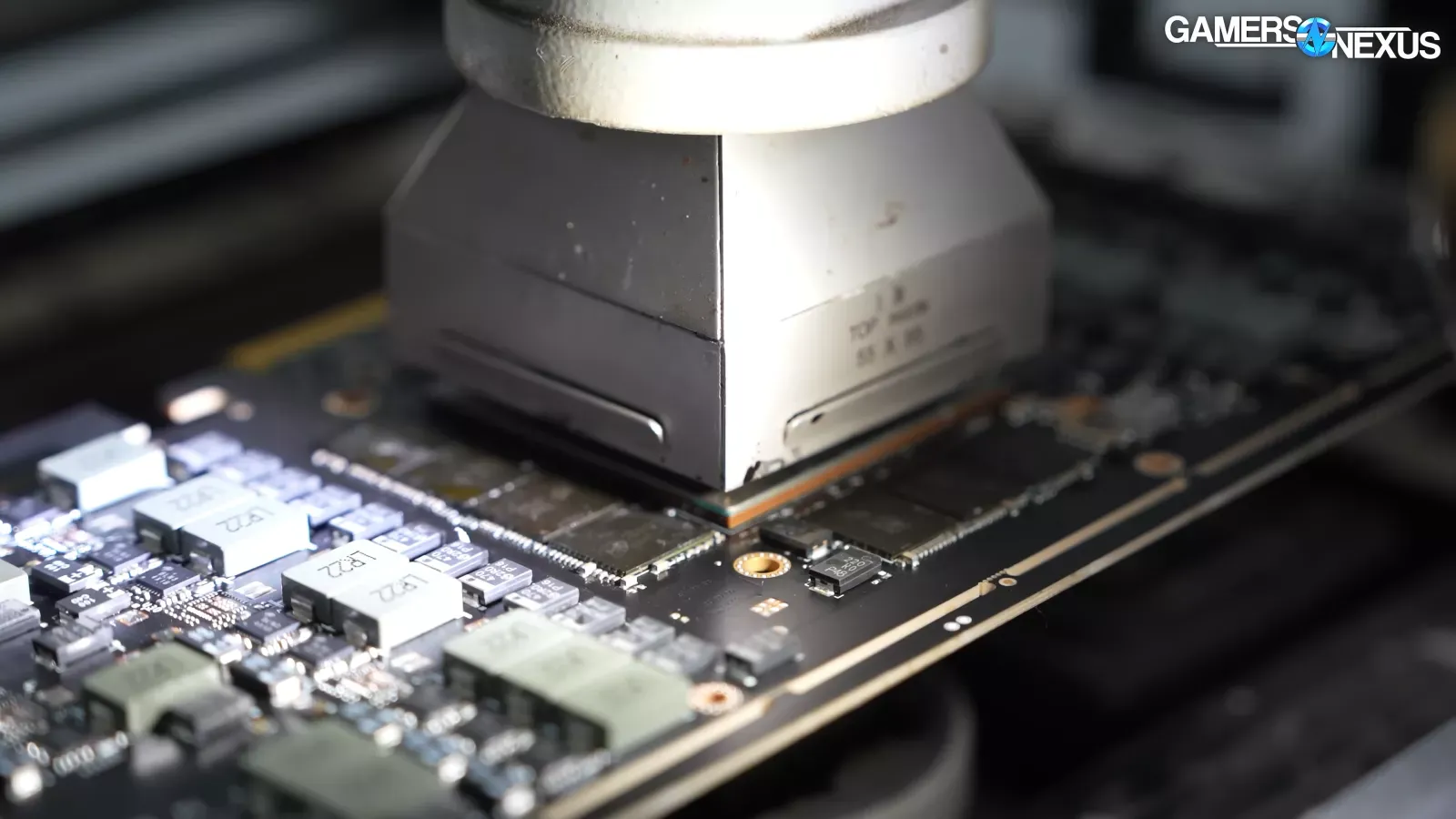
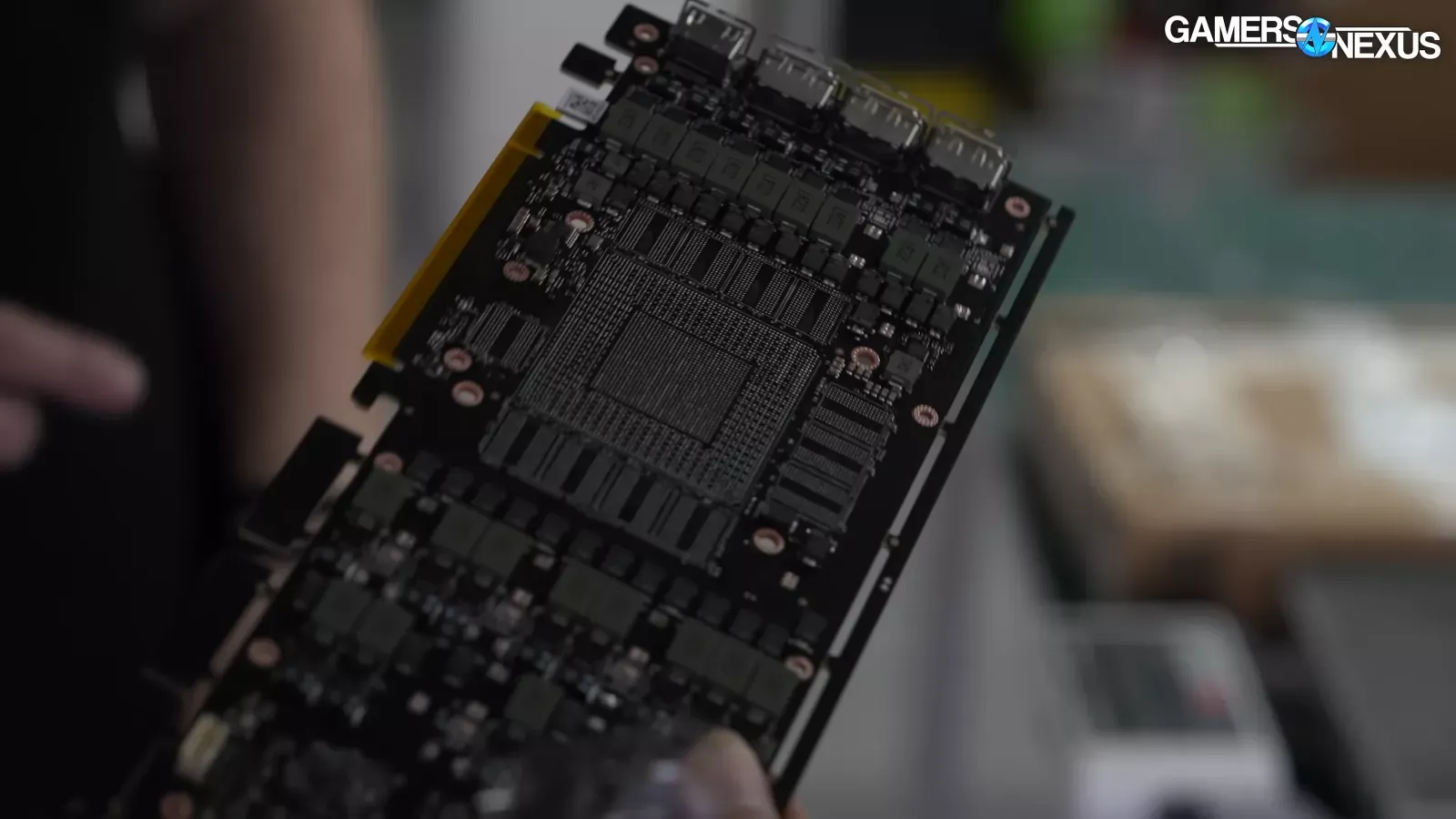
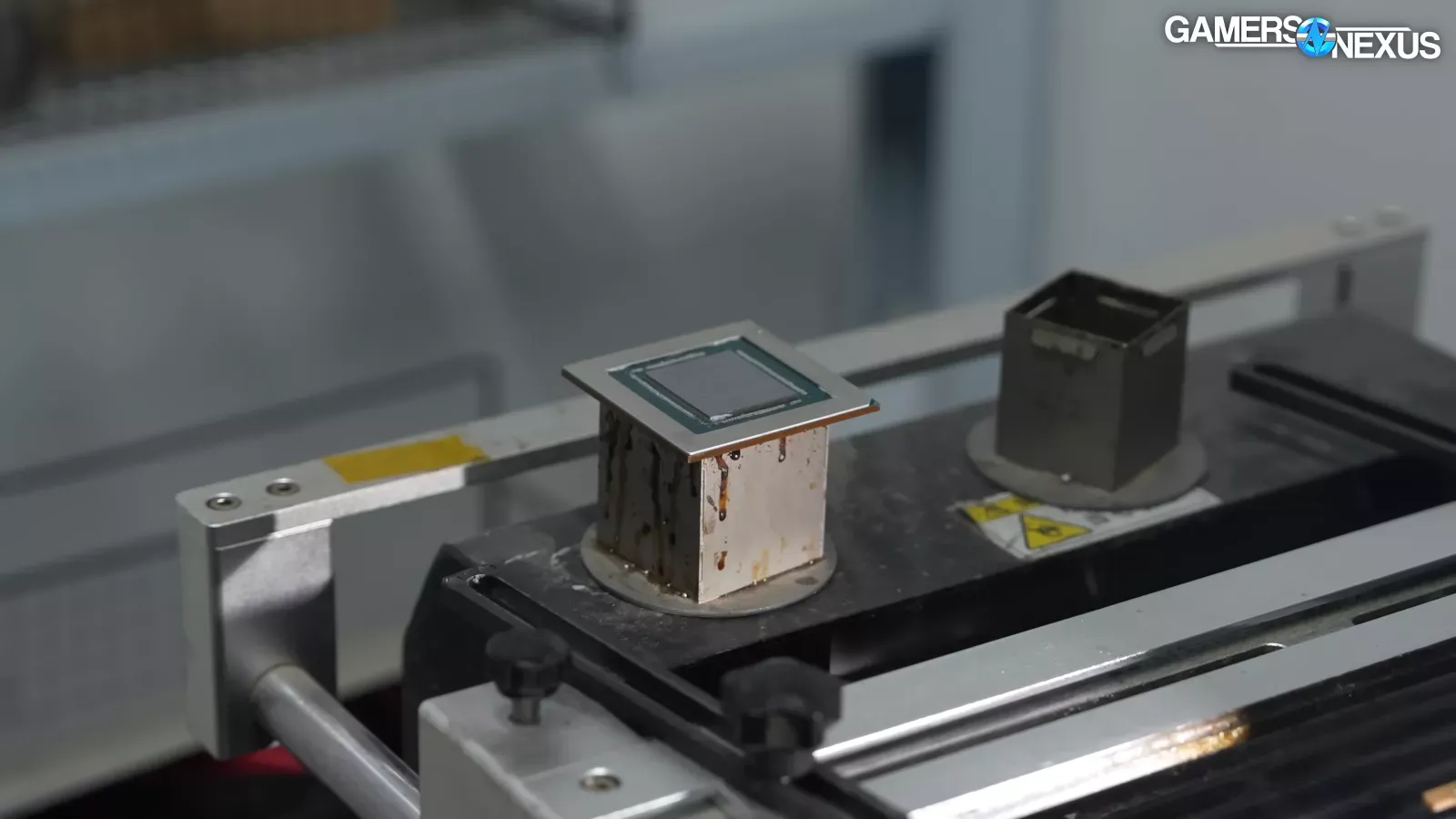
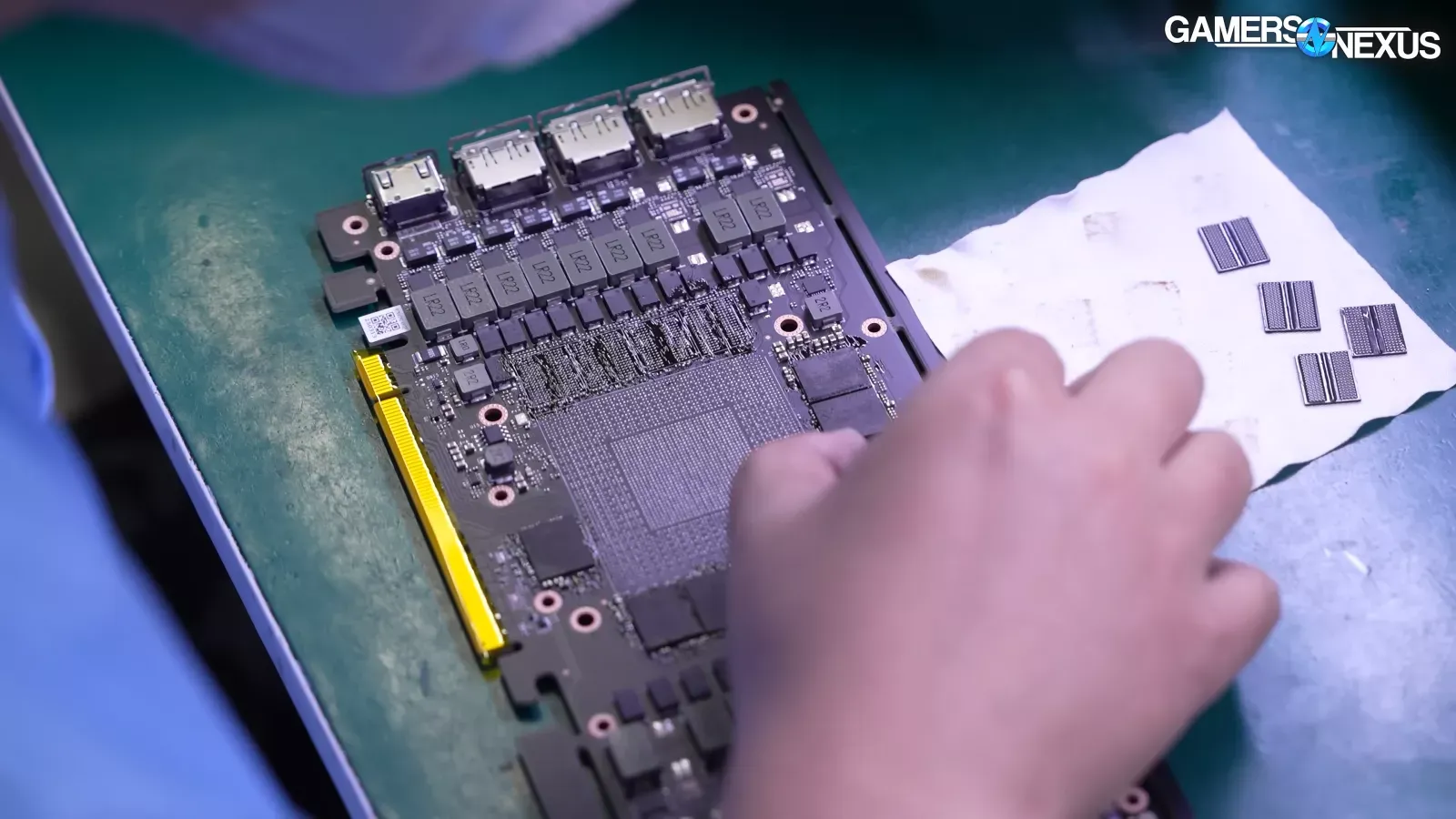
There is a warning for America on a repair bench in Zhengzhou. Brother Zhang’s workshop took an NVIDIA RTX 4090 and rebuilt it with 48GB of memory, twice the standard capacity. GamersNexus’s firsthand reporting, published in 2025, followed the transfer of its working processor and reusable memory to a custom board. The chip survived; the configuration changed. Anyone who thinks semiconductor strength begins and ends with manufacturing the next generation should look hard at that bench. A country can spend fortunes chasing new capacity while overlooking the skilled work that keeps existing capacity useful. That would be an expensive form of stupidity.
The product page is not the limit
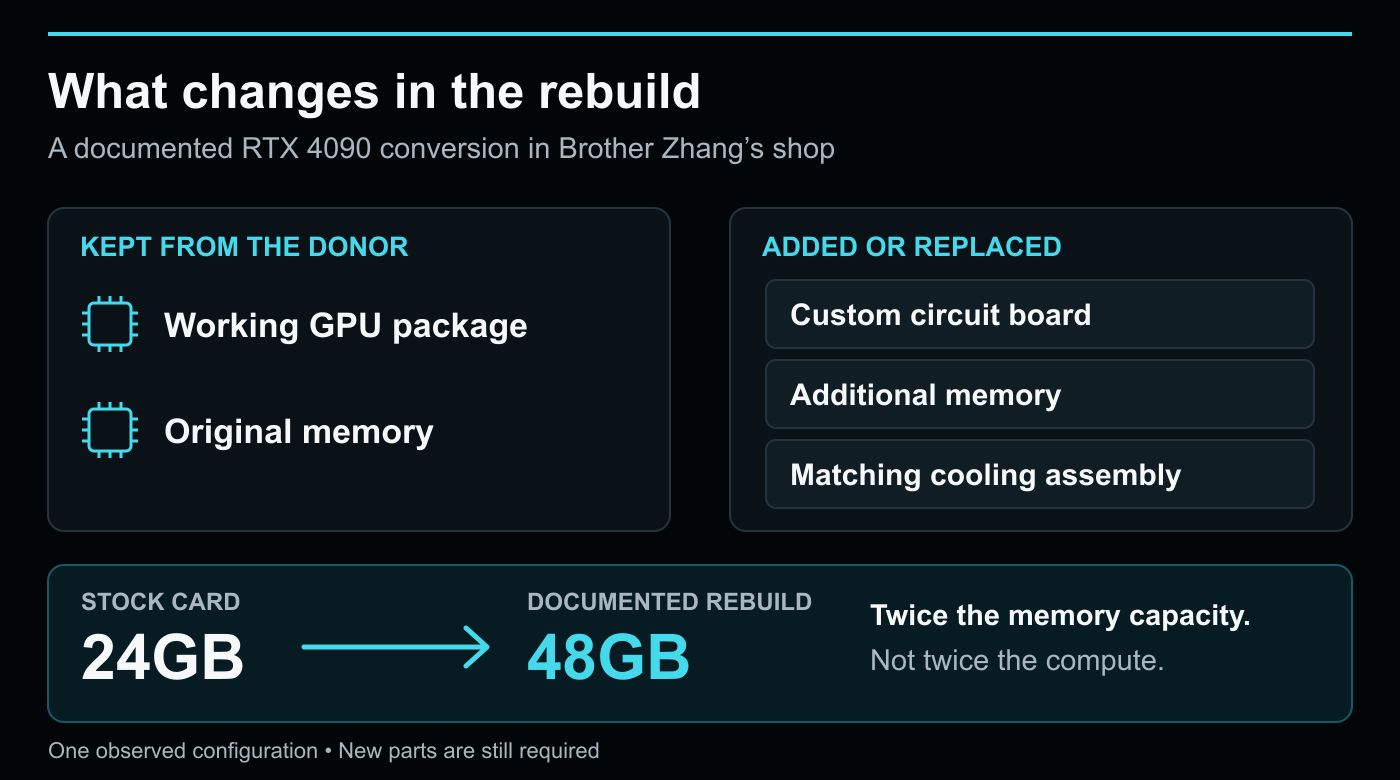
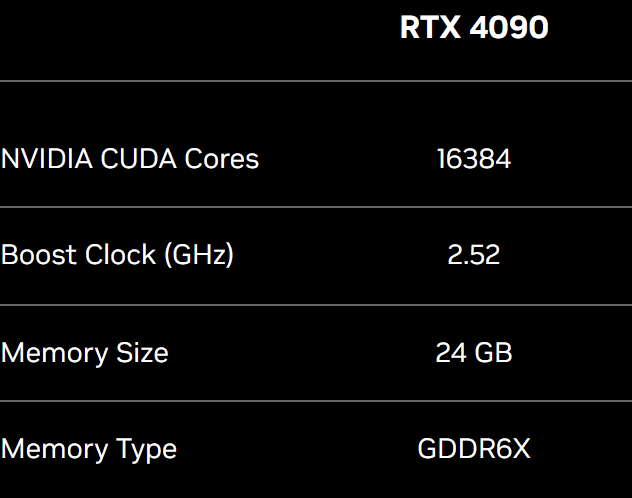
NVIDIA sells the standard RTX 4090 configuration with 24GB of graphics memory. Doubling that memory gives the processor more space for the data it works on. It does not double the execution hardware or turn the chip into a newer architecture. But for an owner whose AI workload will not fit, capacity can be the restriction that decides whether the machine is useful at all for that job. The processor has not necessarily run out of ability. The surrounding configuration has run out of room. Spending more money without understanding that distinction can mean buying an answer to the wrong problem.
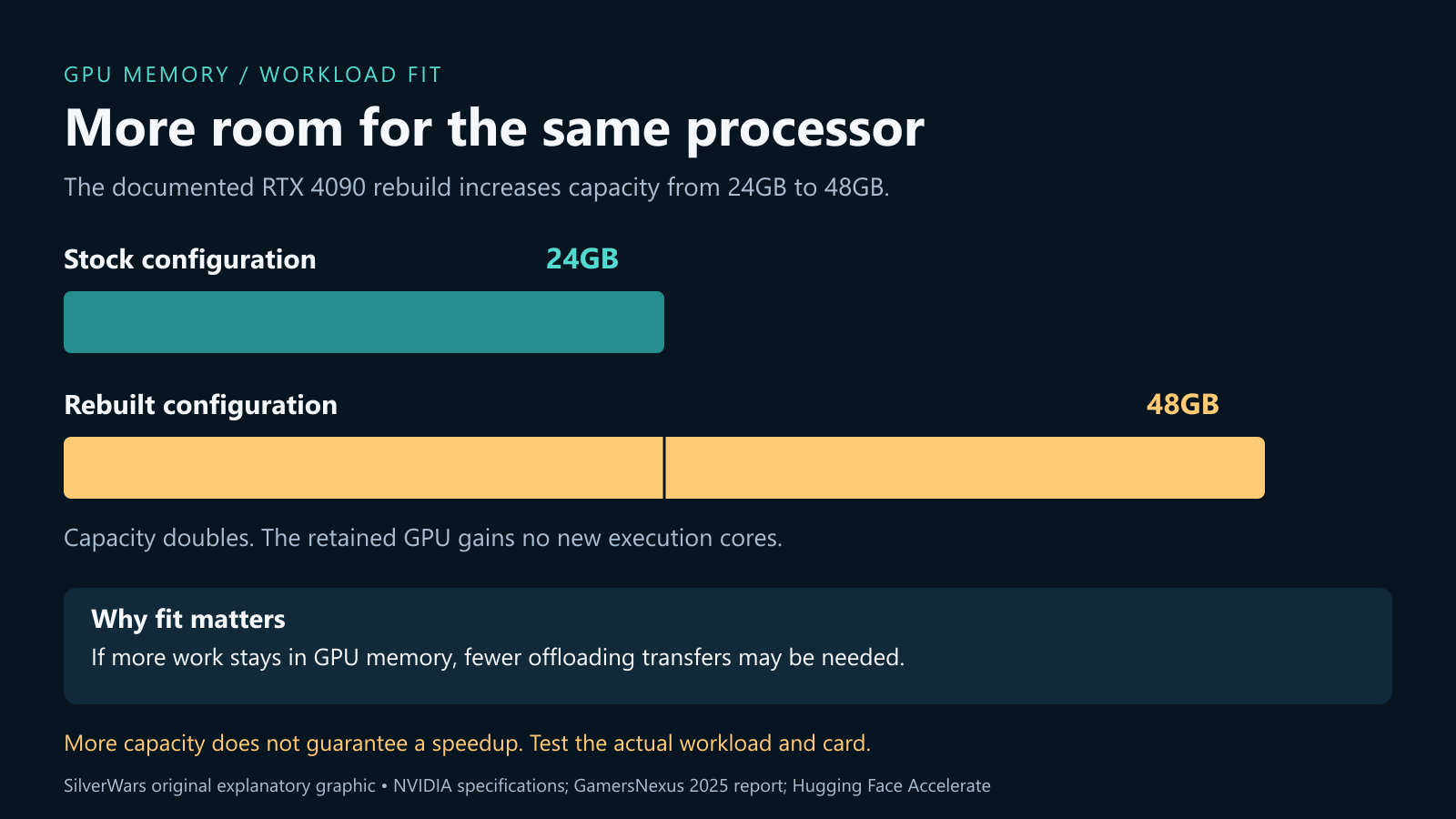
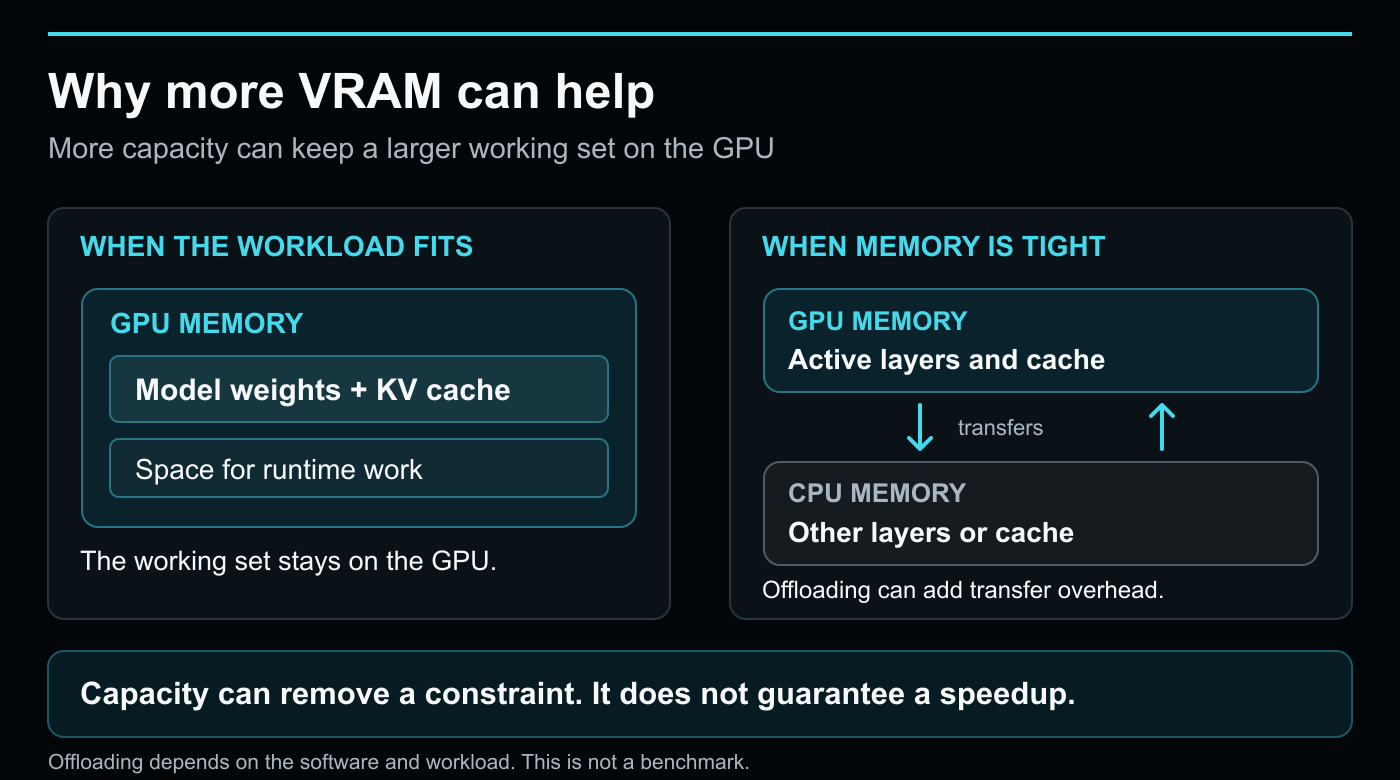
The software makes the stakes clearer. Hugging Face’s Big Model Inference documentation describes loading model weights into GPU memory first, then using the computer’s main memory and storage as space runs out. Offloaded layers have to move onto the GPU for execution. Those transfers create overhead; more VRAM can reduce them if it lets more of the workload remain on the card. The benefit depends on the model and software, and a job already comfortable within 24GB may gain little. The warning is about diagnosing the bottleneck before paying for a replacement, not pretending every larger memory figure guarantees a faster machine.

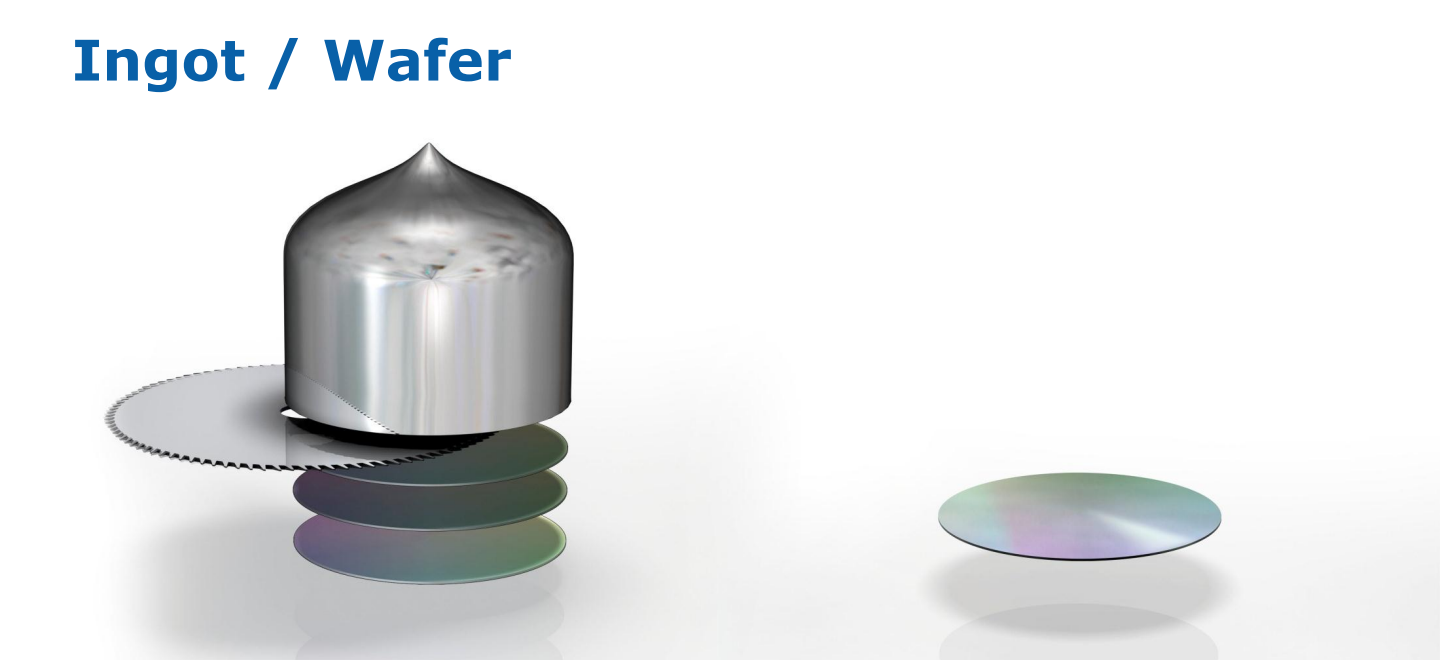
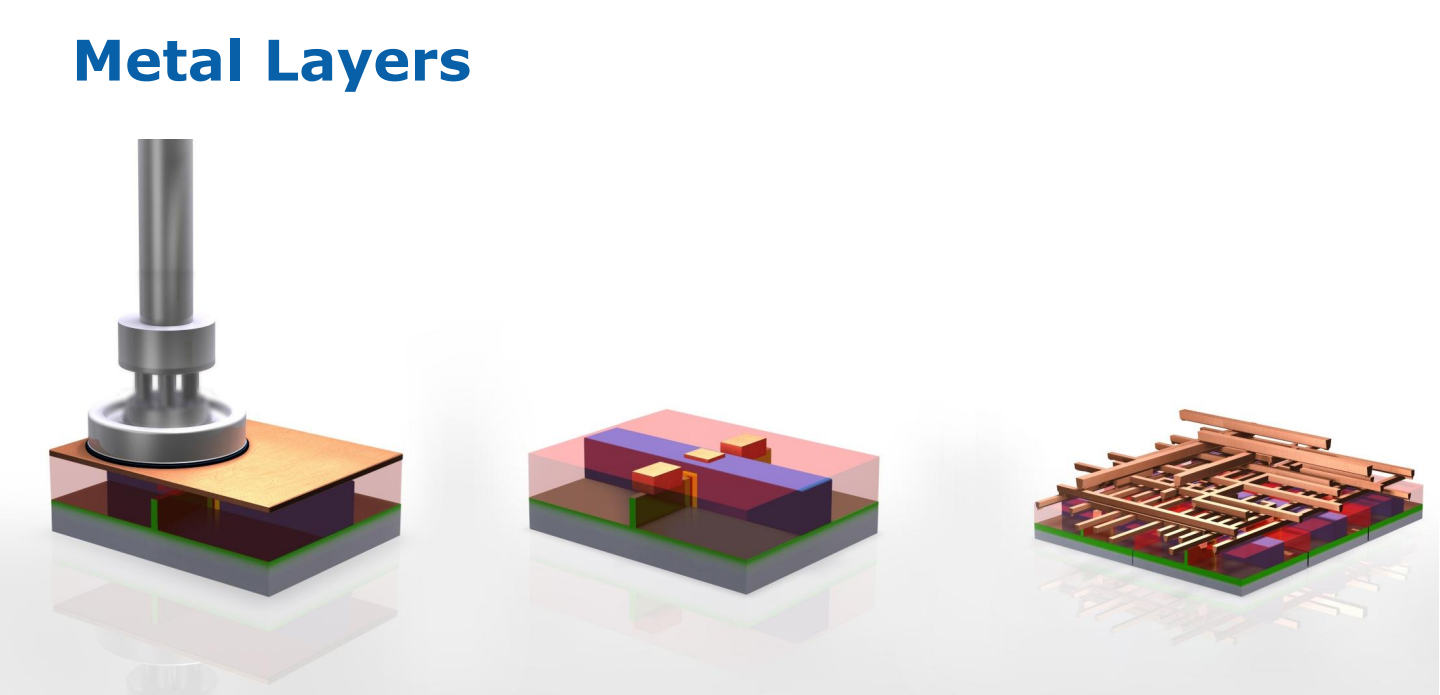
Consider what gets preserved. A processor is silicon transformed into an intricate functioning device. Intel’s general chipmaking explanation shows wafers becoming patterned devices with transistors and the interconnections that let them operate as circuits. This is manufacturing knowledge built into matter. Recovering material after destroying those structures cannot preserve their computing function. When a working processor can be carried into another useful configuration, that finished work remains in service. Treating the chip only as a future source of scrap material would miss the most valuable thing it still does: calculate.
Repair is an industrial capability
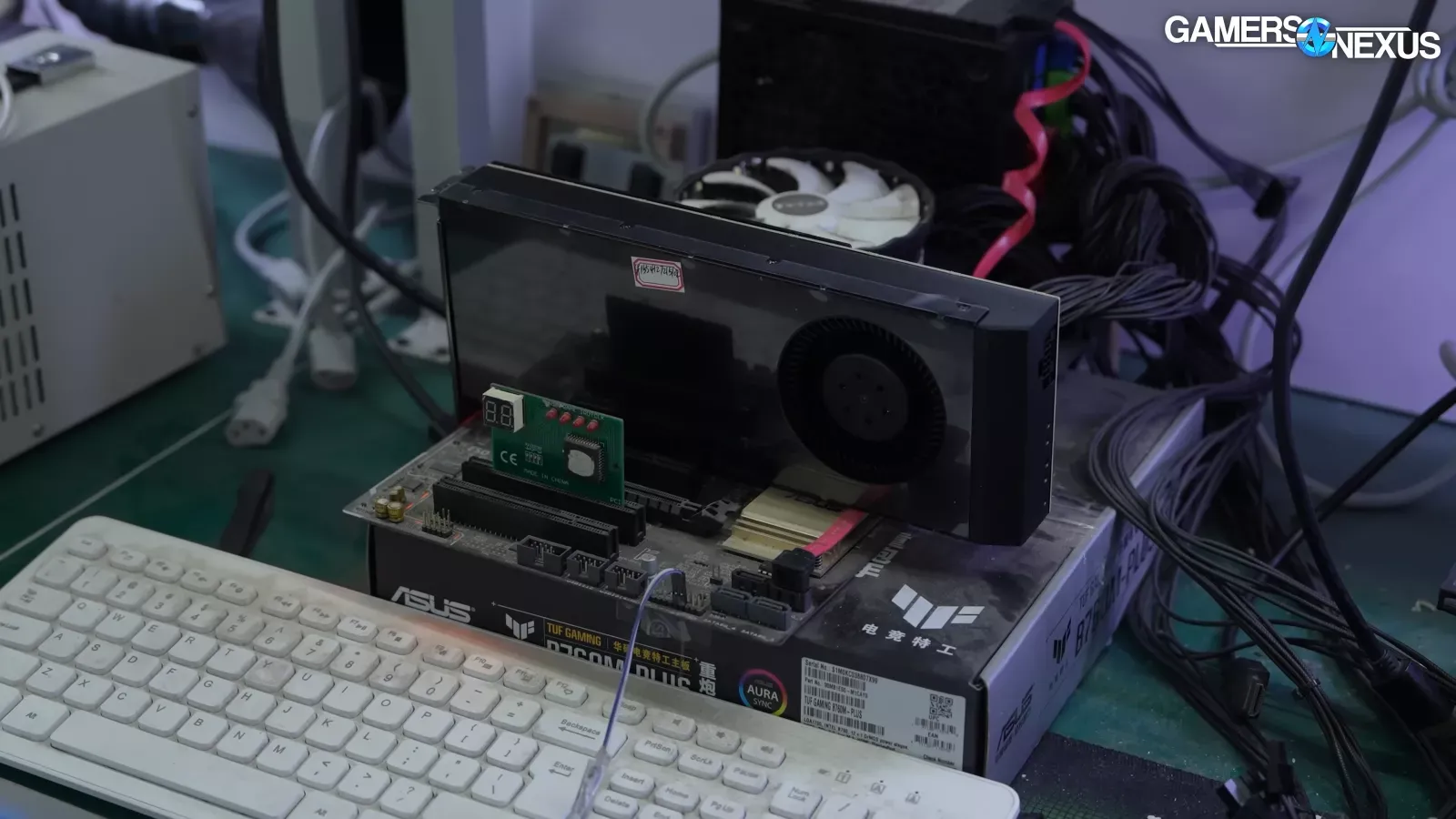
The Zhengzhou donor card had already endured repeated repairs. The workshop kept usable components, added memory, used a replacement circuit board and fitted suitable cooling. The completed card passed an initial functional test. This is serious repair work involving component supply, assembly and testing, not a magic BIOS switch. It also leaves real questions about sustained AI performance, repair cost and service life. Those questions determine whether a particular rebuild is worthwhile. They do not erase the demonstrated capability. China has repairers who can give an existing GPU a configuration its original product specification did not offer. That is useful industrial competence, and America should be asking how to make comparable competence easier to use.
The U.S. market has already supplied an example of priorities gone wrong. In July 2024, FTC staff warned ASRock, Zotac and Gigabyte about warranty-void stickers that hindered routine maintenance and repair. The same announcement challenged other companies’ demands for specified parts or service providers as a condition of warranty coverage. These were warnings about potential violations, not proof that a 48GB modification was being blocked. The documented failure was more basic: discouraging customers from maintaining hardware they owned. An industry asking customers to respect sophisticated engineering should be embarrassed when a sticker gets in the way of keeping that engineering alive.
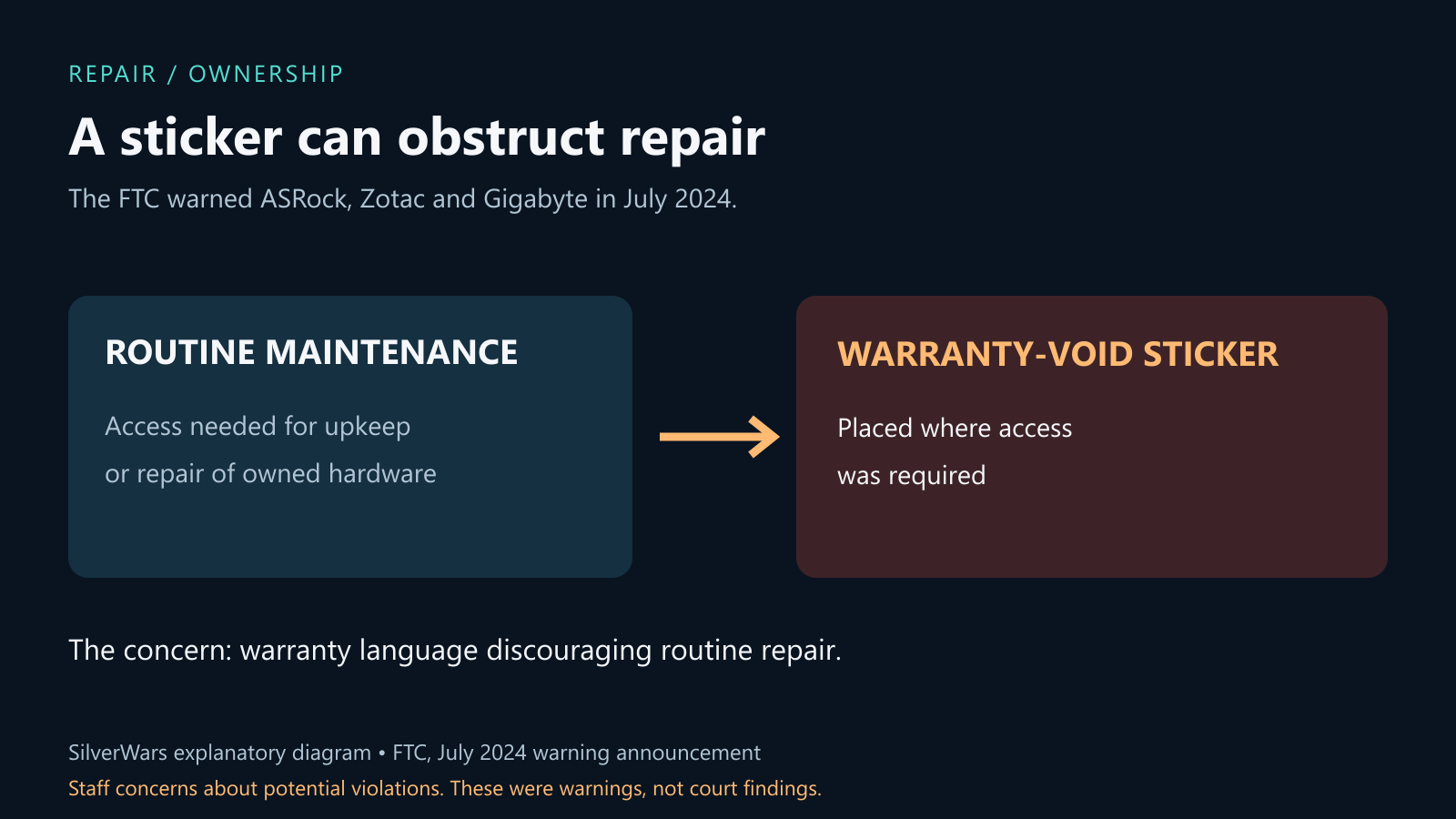
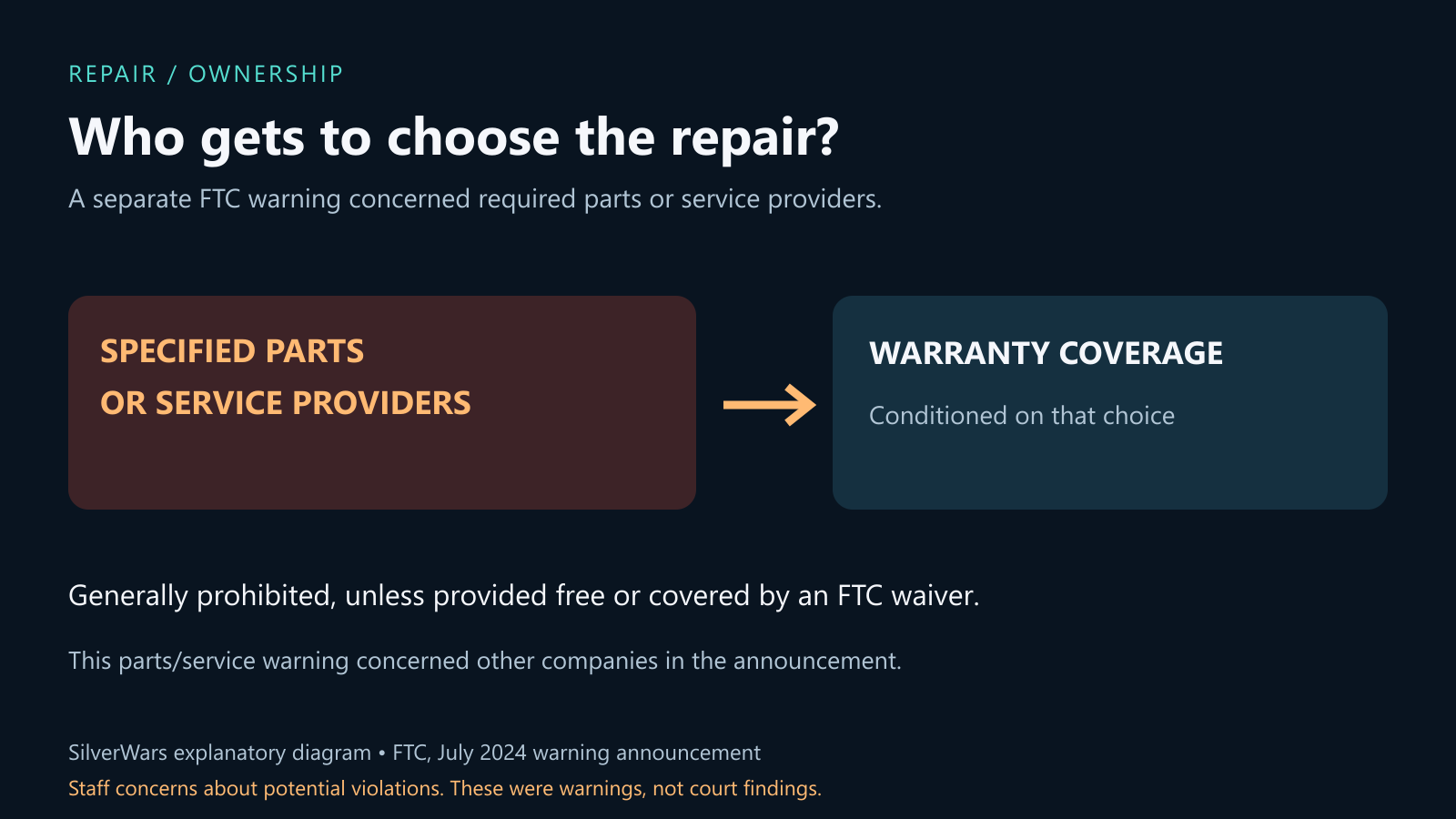
American repairers are part of the answer, not the enemy in this story. GPU Lab, which identifies itself as a U.S. business, advertises RTX 4090 upgrades from 24GB to 48GB. Its offer is not an independently verified durability result, but it demolishes the idea that this work is beyond American technicians. Manufacturers can also state repair rights plainly. ASRock’s U.S. policy says a removed warranty seal and third-party repair alone do not void coverage, while repair-caused damage is excluded. Zotac issued a similar clarification in November 2024. Those protections do not promise warranty coverage for radical upgrades. They establish a baseline America should never have had to fight over.


The waste numbers are a warning, too
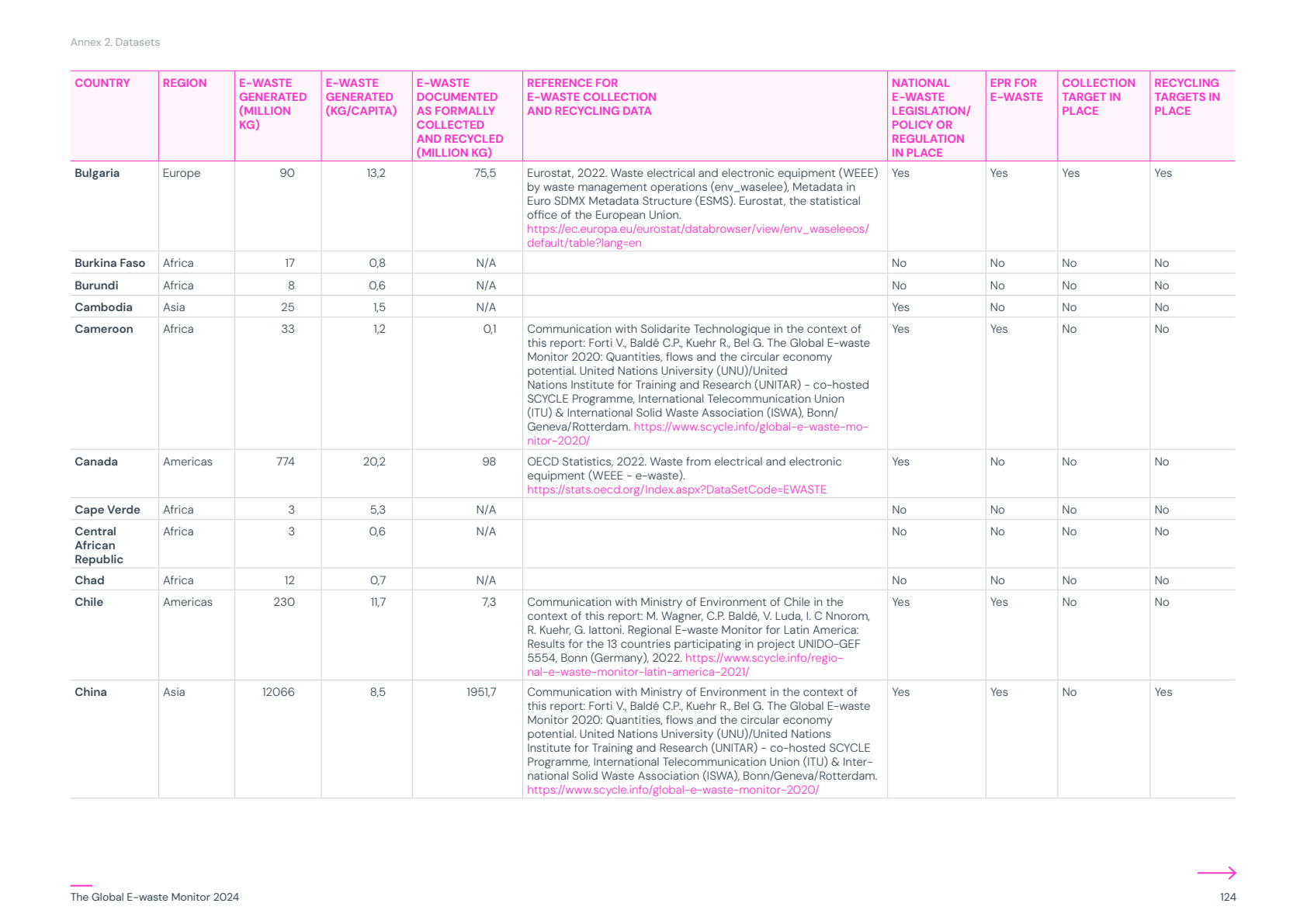
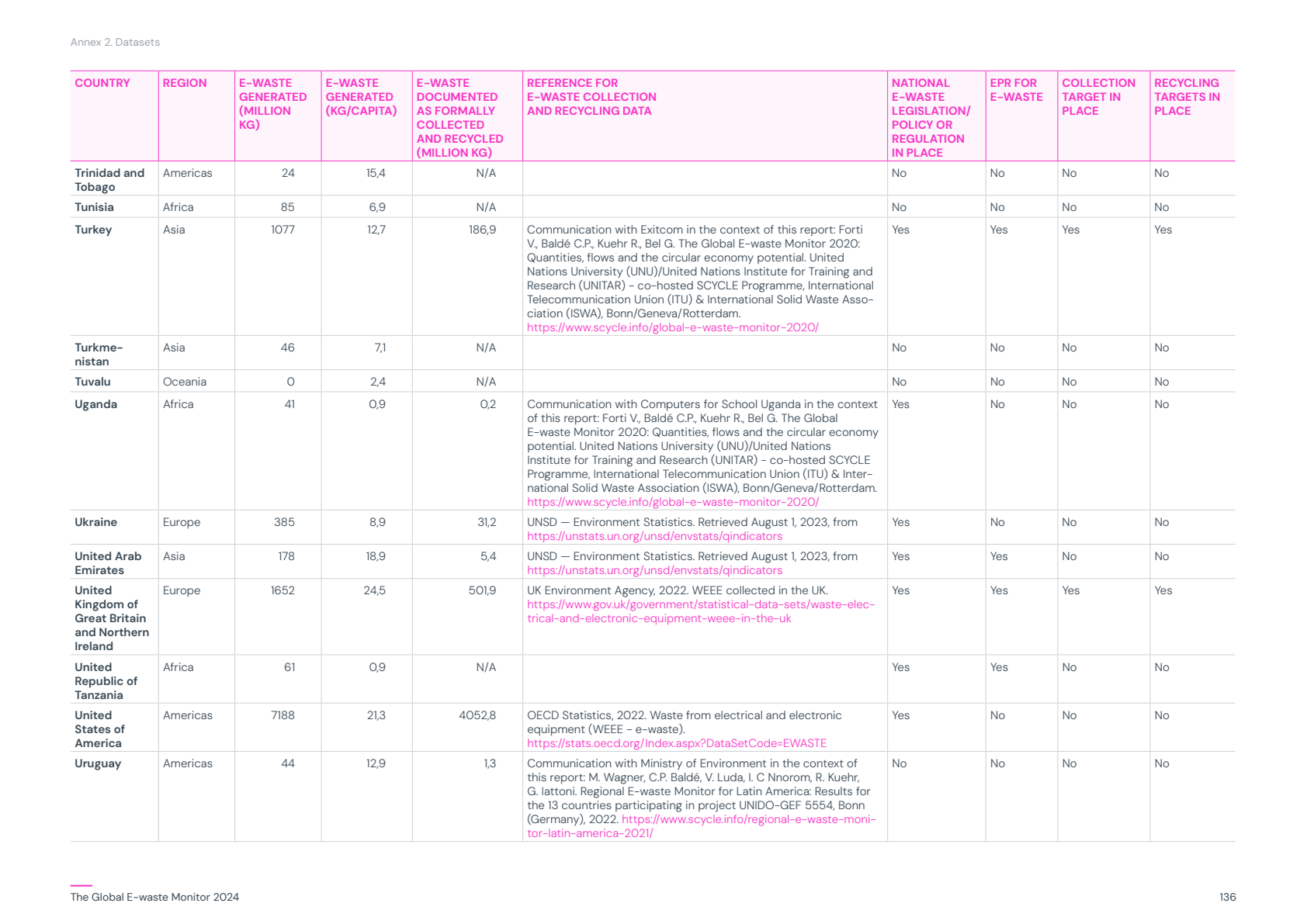
America also has a waste problem it cannot talk its way out of. The Global E-waste Monitor 2024 reports that in 2022 the United States generated 21.3 kilograms of e-waste per person, against China’s 8.5. That is roughly two and a half times as much. The same data give America the higher documented formal collection and recycling share, approximately 56% against 16%. Credit that advantage. It does not make the larger discarded stream disappear. These are whole-economy waste measures, not a GPU refurbishment league table, and they miss unrecorded activity. They show why collecting waste and keeping useful equipment in service deserve separate scrutiny. A tonnage figure cannot tell us whether working computing hardware was preserved.
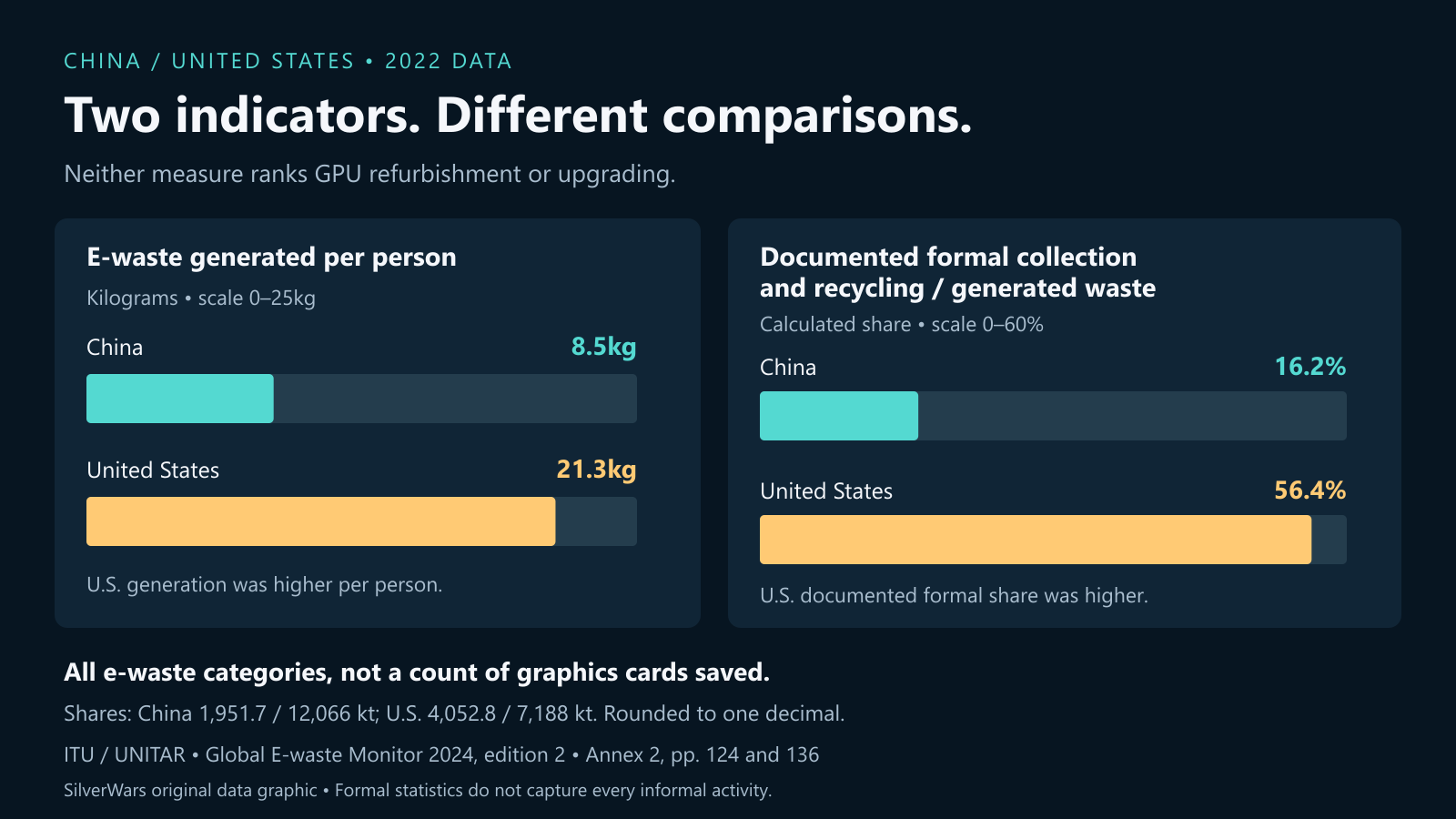
The danger is complacency dressed up as leadership. China’s rebuilders have demonstrated a way to extend what existing GPU hardware can accommodate. The available evidence does not rank the two countries’ rebuilding industries, but America does not need to lose a national contest before taking that capability seriously. NVIDIA and its board partners should face a direct question: can this working processor serve the owner’s next workload through repair or an upgrade? The answer needs parts, documentation, skilled labor and credible testing behind it. A replacement sale is easy to count. Useful computing capacity thrown away through a bad diagnosis or an avoidable repair obstacle is a loss, even when somebody books the next sale as growth.