 Strategic Resource Intelligence
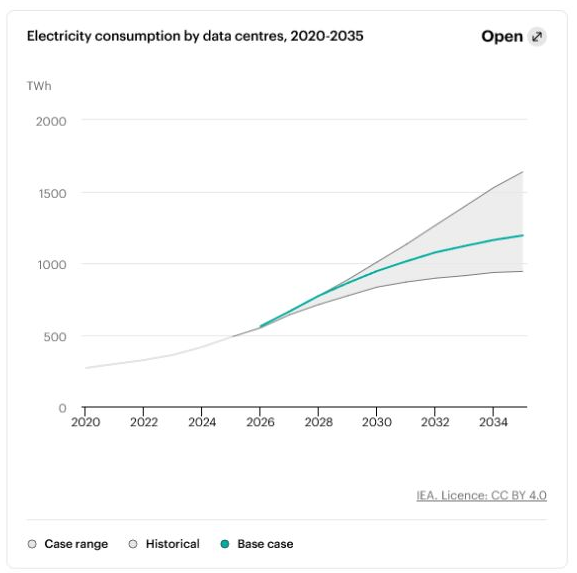
On April 16, 2026, the International Energy Agency projected that global data-center electricity use would rise from 485 terawatt-hours in 2025 to about 950 terawatt-hours in 2030.
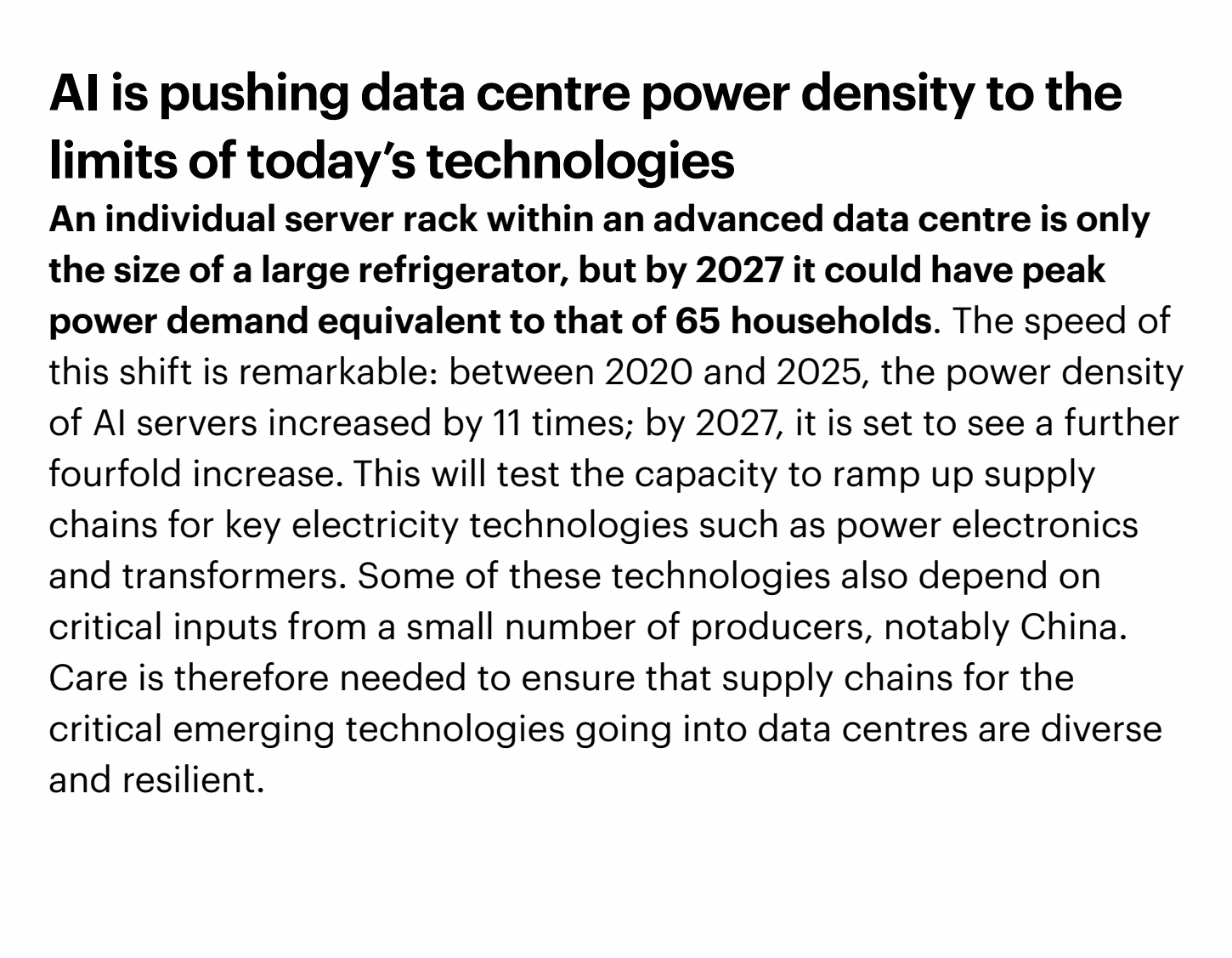
The same IEA report said AI server power density had risen elevenfold between 2020 and 2025 and could rise another fourfold by 2027. That density raises the stakes, but package status, manufacturing release and commercial terms decide what a late transformer change will cost.
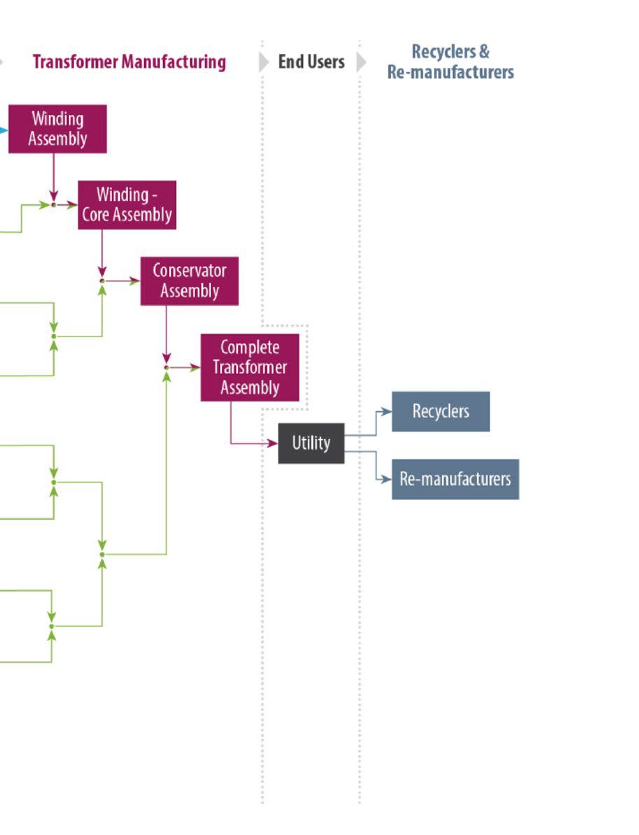
Picture the same request arriving twice: “Can this transformer use copper conductors?” Before engineering release, the answer may require a design comparison and an ordinary approval. After conductor material has been purchased—or after winding has begun—the question has acquired a different commercial and schedule meaning. It may reopen engineering, strand material, disturb a production slot or move delivery.
Nothing about the request changed. The transformer did. A useful package schedule makes that transition visible before the team discovers it in a late change order.

Programming defines the choice before the order
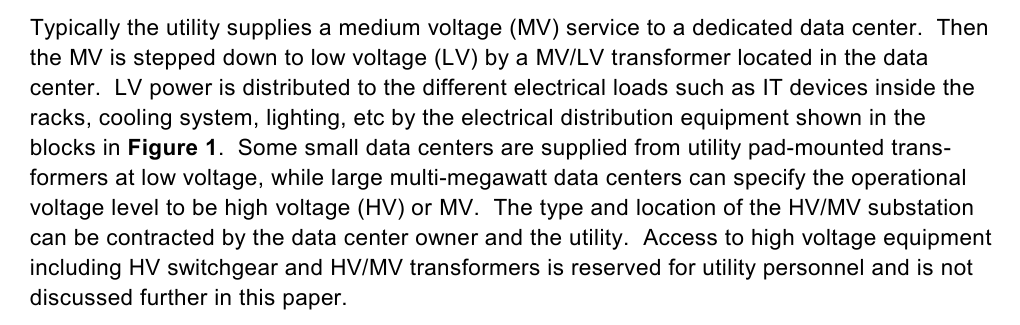
A representative data-center power train runs from utility service through switchgear, transformers, uninterruptible-power equipment and distribution before electricity reaches the IT load. Schneider Electric's reference architecture shows that sequence while making clear that actual designs vary.
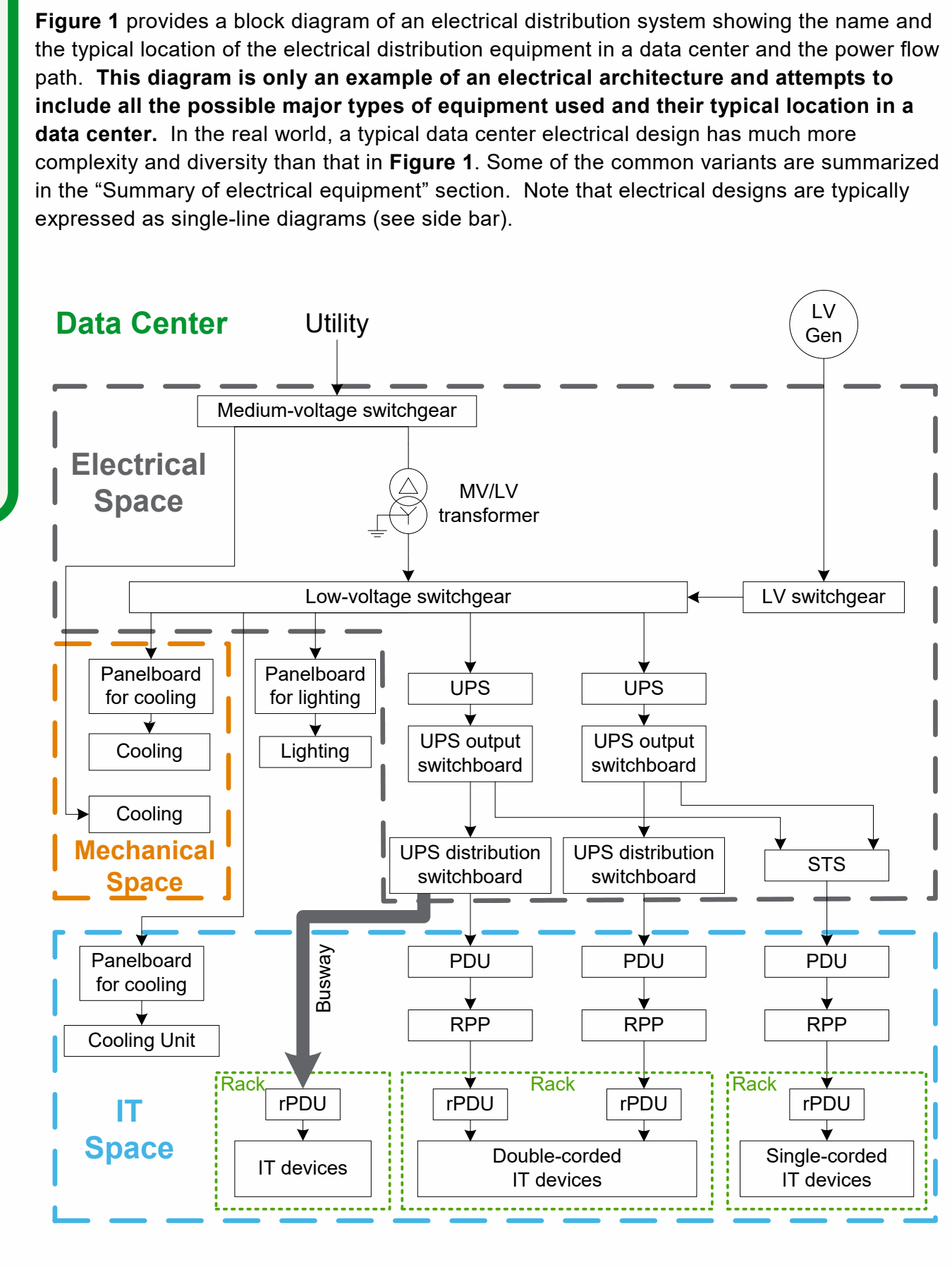
The transformer is early in the electrical path yet discrete enough to manage as a package. Voltage, topology, redundancy, equipment design and conductor choice shape its material requirement, while delivery can affect energization. A line item marked “ordered” still says little about which decisions remain movable.
In an April 6 account, DPR Construction said the owner and engineer on a Phoenix data-center project established performance criteria and procurement packages during programming for electrical equipment, UPS systems, chillers, generators and other long-lead systems. Purchase orders were being executed before trade-partner mobilization.

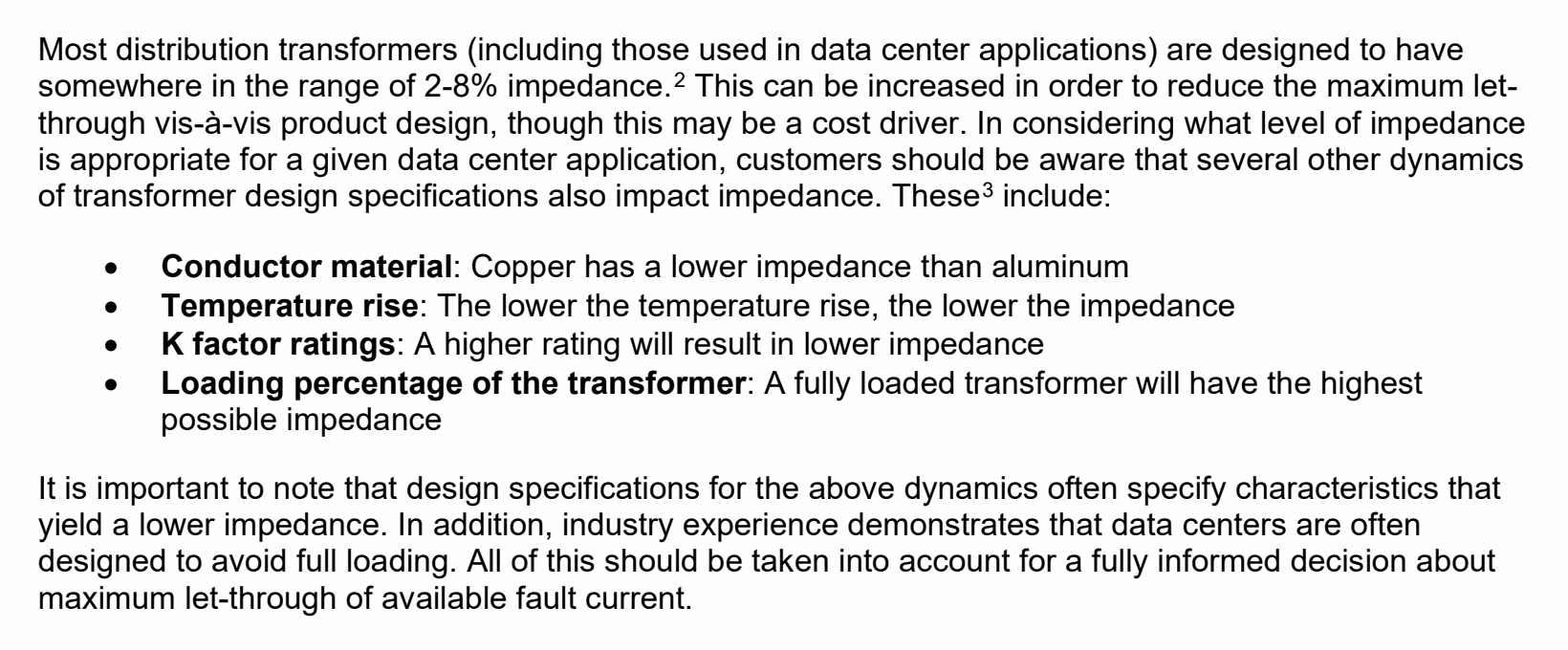
Programming is when the team decides whether conductor material will be prescribed, proposed by the manufacturer or left open for comparison. NEMA's data-center transformer guidance treats purchasing specifications as application specific and recognizes both copper and aluminum conductors. If the specification leaves conductor choice open, the schedule should say so.
The submittal gives the choice a shape
The equipment submittal puts a proposed design in front of the owner, engineer and contractor. The conversation is no longer about copper or aluminum in the abstract. It is about this transformer and its delivery requirement.
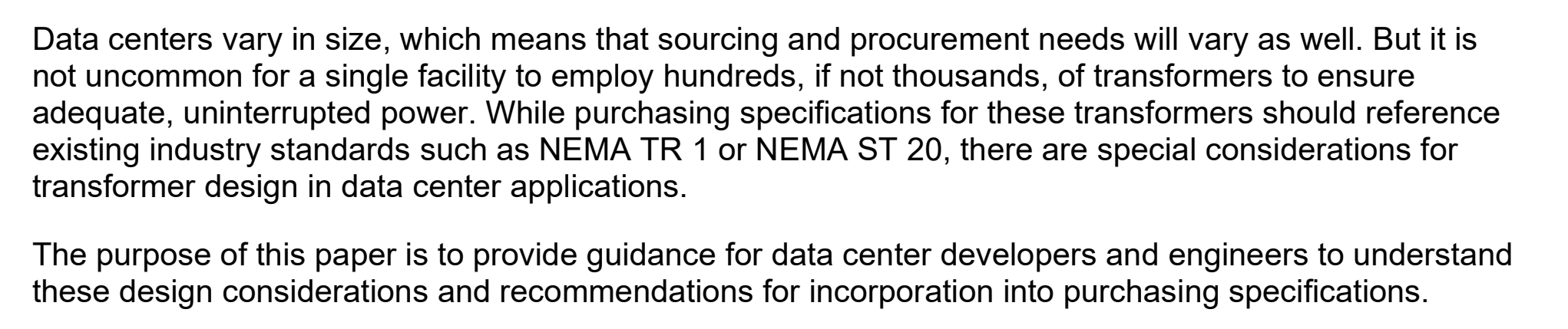
Approval may close ordinary design review; engineering release may authorize detailed work. Neither is a magic industry-wide deadline. The manufacturer explains its sequence, while the project team controls approvals, schedule interfaces and contract administration.

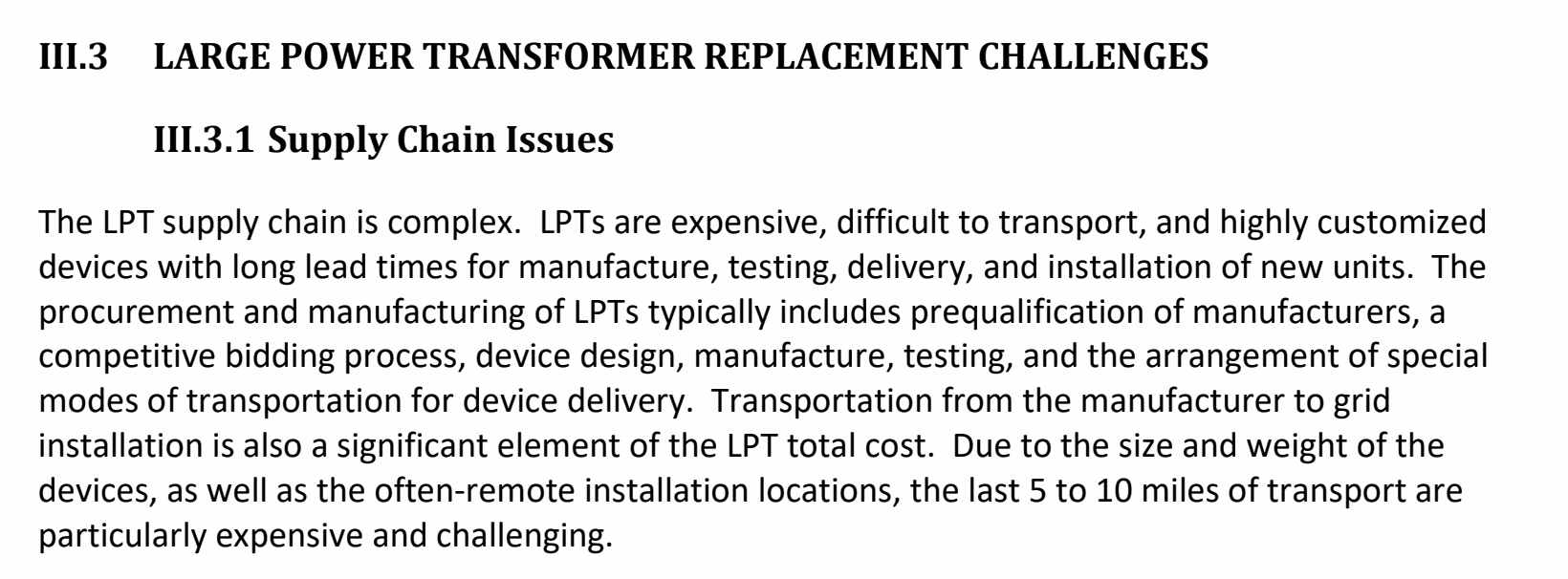
The Department of Energy's large-power-transformer resilience report describes procurement for that equipment class as a sequence that can include manufacturer prequalification, design, manufacturing and testing. The report covers a different equipment class and supplies neither a data-center bill of materials nor a universal cutoff. Its sequence still explains why an order does not leave every upstream choice equally movable.
Before engineering release, a conductor request may enter normal review; after release, the manufacturer identifies what must reopen and the project records the consequence. One decisive commitment event may apply, or several may close different degrees of freedom. That is package reality, not ambiguity cured by a borrowed date.

Material purchase and winding change the answer
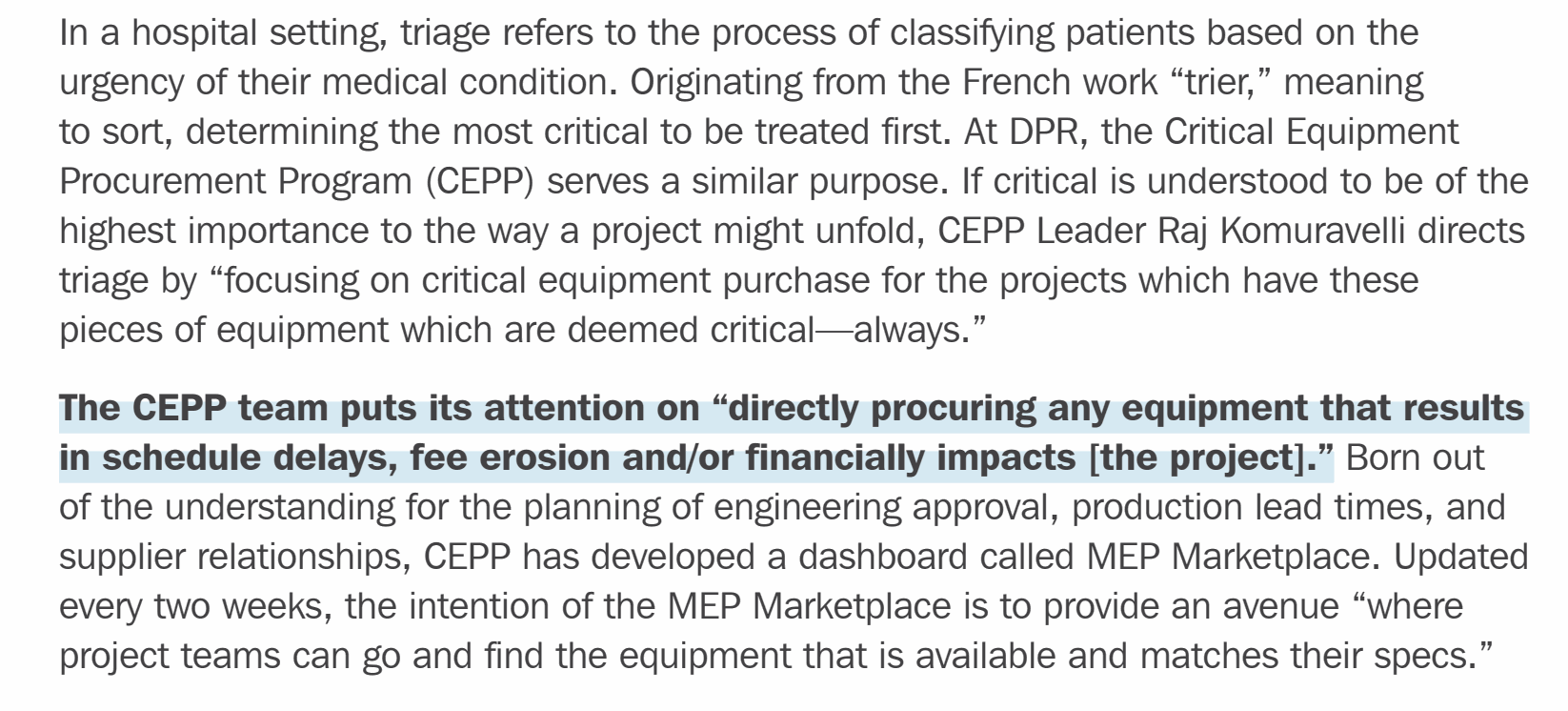
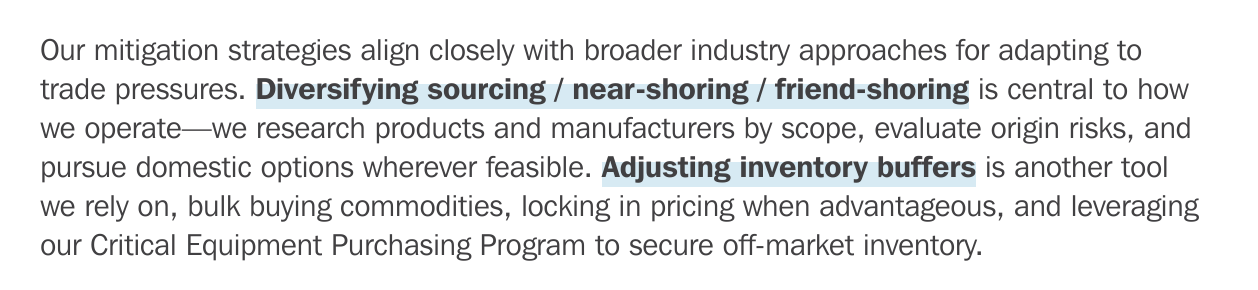
DPR's Q4 2025 Market Conditions Report describes a Critical Equipment Procurement Program focused on equipment capable of causing schedule delay or financial impact. A transformer package under that watch needs its conductor decision tied to the moments that change cost or delivery.
A material buy can commit conductor form and quantity. Winding start puts that material into production. A copper request may remain possible, but “possible” is no longer the whole answer. Rework, replacement material, production sequencing and the required-on-site date now matter.
A borrowed date would manufacture confidence. So would naming only the earliest approval when a later, commercially meaningful opportunity remains. The project needs the events that apply to this design and contract, and what follows when a request crosses them.
If copper is selected and the owner also has an origin, resilience, emissions or traceability objective, another sequence begins. The manufacturer should identify the usable semi-fabricated form, the evidence it would need, the supplier tier that owns the review and the commitment event that would make a new upstream source costly or impractical to consider.
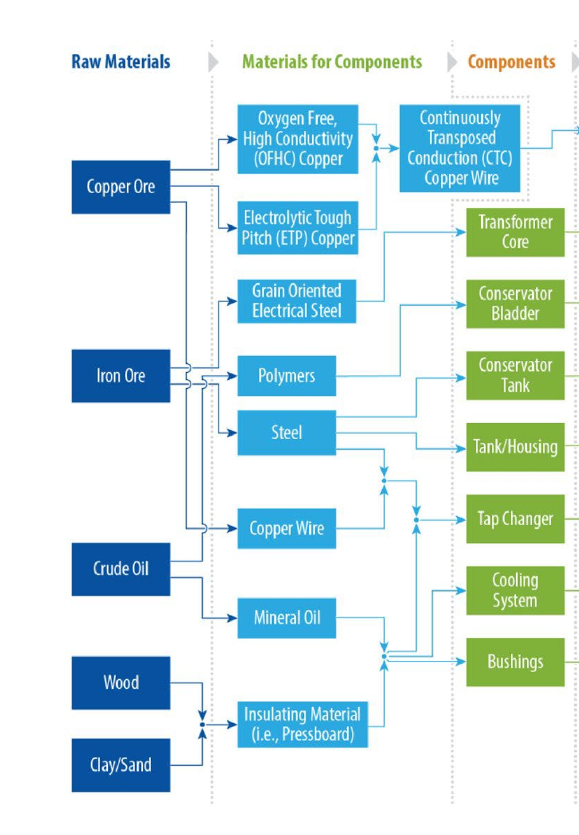
That cutoff may differ from the conductor-design cutoff. A cathode assay, origin record or responsible-production credential can support an upstream review. Those records do not replace converter acceptance, the manufacturer's approved design, production controls or finished-equipment testing. The schedule should connect each record to the decision it can inform.
A closed window is still an answer. If the design is fixed, management can stop treating conductor material as an open lever. If copper is selected but the upstream material window has passed, the team can reserve that objective for a later package unless it knowingly accepts the current consequence.

Test and delivery reveal the downstream stakes
By factory test, the transformer has passed through programming, submittal, engineering release, material purchase and winding. Shipment, installation and energization still lie ahead, but earlier choices are no longer equally available. A request should reach the decision-maker with the affected review, cost and delivery milestone attached. “Late” becomes a package condition, not an argument about theoretical possibility.
Executives need a plain account of where the transformer stands and what the next commitment will make harder to change. The manufacturer names the relevant event or events. The project records the consequences under its approvals and commercial terms.
Where an upstream-source objective materially affects a copper design, give that review its own applicable cutoff and evidence requirement. The two controls can share a package record without pretending that one date governs every decision.
An AI data center's copper plan does not begin with a campus tonnage estimate. It begins when the transformer schedule tells the truth about what can still change—and when a material choice becomes a schedule choice.