 Strategic Resource Intelligence

Put yourself at a lathe with a piece of steel to turn and a customer waiting for the shaft. The expensive machine, the skilled hands and the order book are all American. Now take away the little carbide insert that does the cutting. How much steel can you ship this afternoon? On November 20, the Federal Permitting Council put a number on one part of that problem. The United States had zero active tungsten mines. The U.S. Geological Survey estimates that about 60 percent of the tungsten Americans consume goes into carbide parts for cutting and resisting wear. We have an industrial policy debate in which the machine gets a ribbon cutting and the part doing the work barely gets a mention.
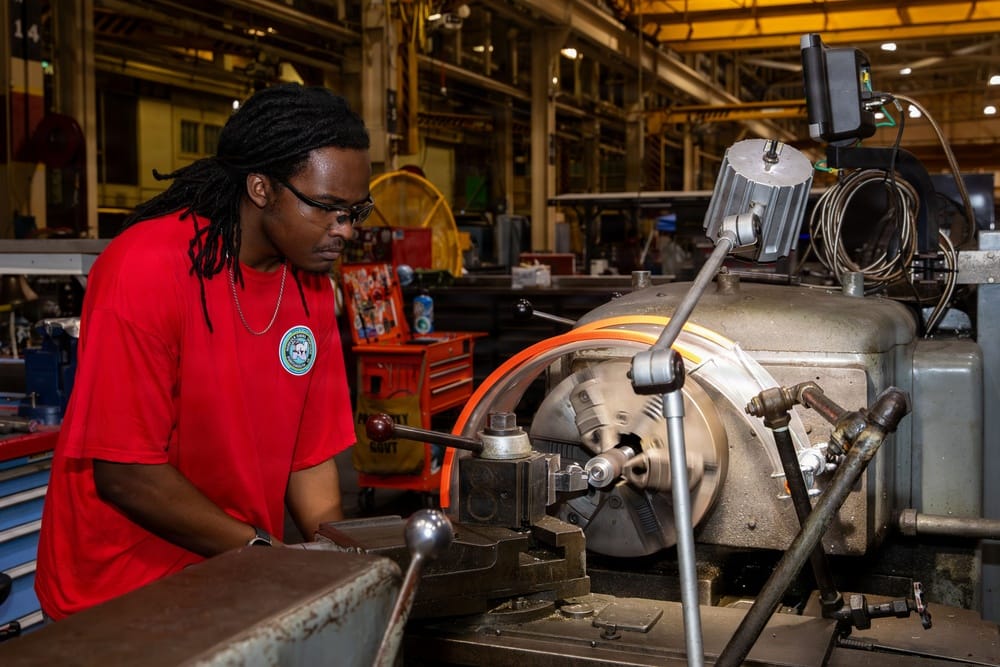
You can still buy the insert. A shop owner who pays extra to help start an American mine competes with the shop down the street buying cheaper tools. If the mine succeeds, both shops gain somewhere else to turn. Only one took the hit. Congress set December 11, 2026, as the deadline for the current round of stopgap funding. Agencies generally can’t use that money to start a project that lacked funding or authority last fiscal year. I want House and Senate appropriators to keep construction loans available and put a separate, capped sum for backup supply in the bill that replaces the stopgap. Taxpayers would pay to keep the spare capacity ready. The machinist would pay for the tungsten the shop actually orders.
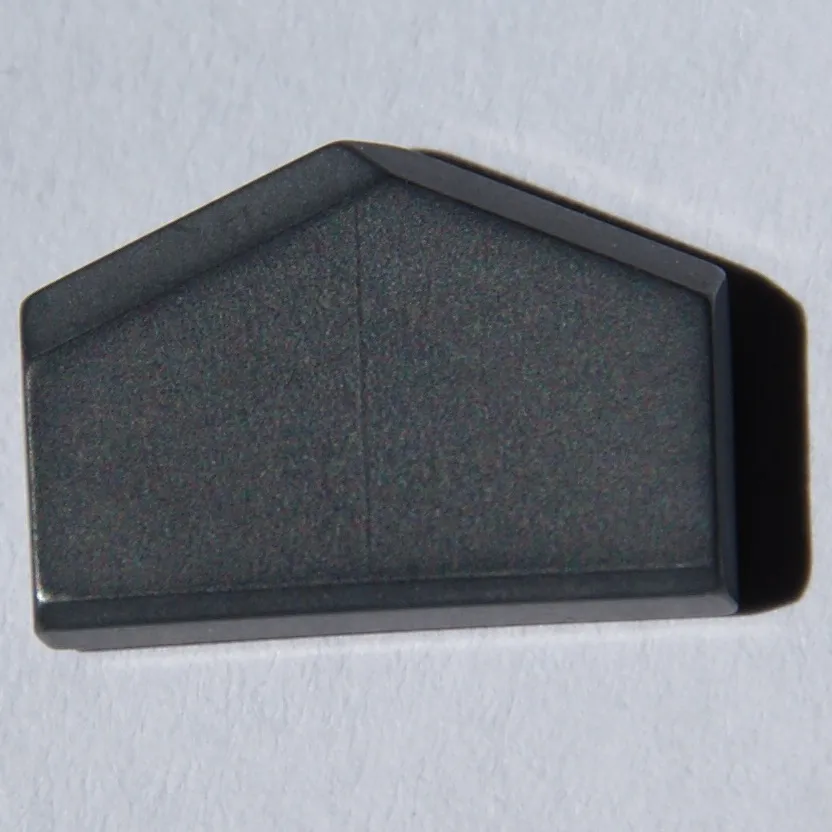
For a decision already on an appropriator’s desk, turn to H.R. 8845, the Commerce spending bill. The House Appropriations Committee recommended $625,000 for Georgia Tech’s alloy recovery test bed. The university wants a place to test how to recover stainless steels and superalloys from worn-out components. The money would come through the National Institute of Standards and Technology. On November 18, the Congressional Research Service reported that Congress had yet to settle the agency’s funding. A straight extension would leave that $625,000 on paper. For every week Congress simply rolls the old terms forward, the lab goes another week unable to commit those proposed federal dollars to the work. An equipment supplier can give you a quote. See how far you get trying to pay the invoice with a House committee report.
Put a price on a second source
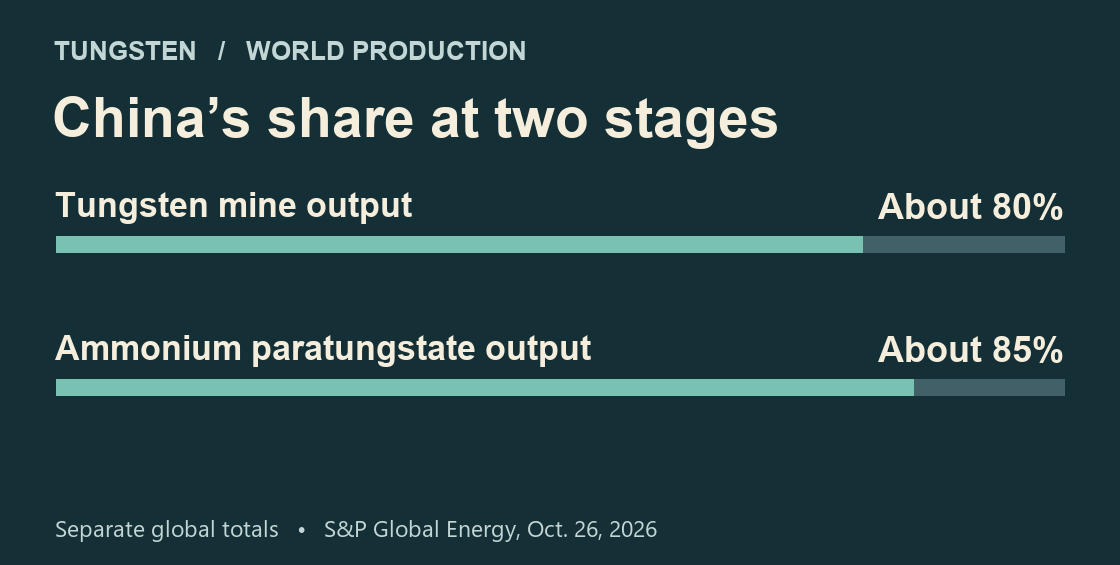
Start with what a buyer would actually get. S&P Global Energy puts China’s share of world tungsten mine production at about 80 percent. Follow the ore one step further and China’s share rises to about 85 percent for ammonium paratungstate, an intermediate used to make tungsten products.
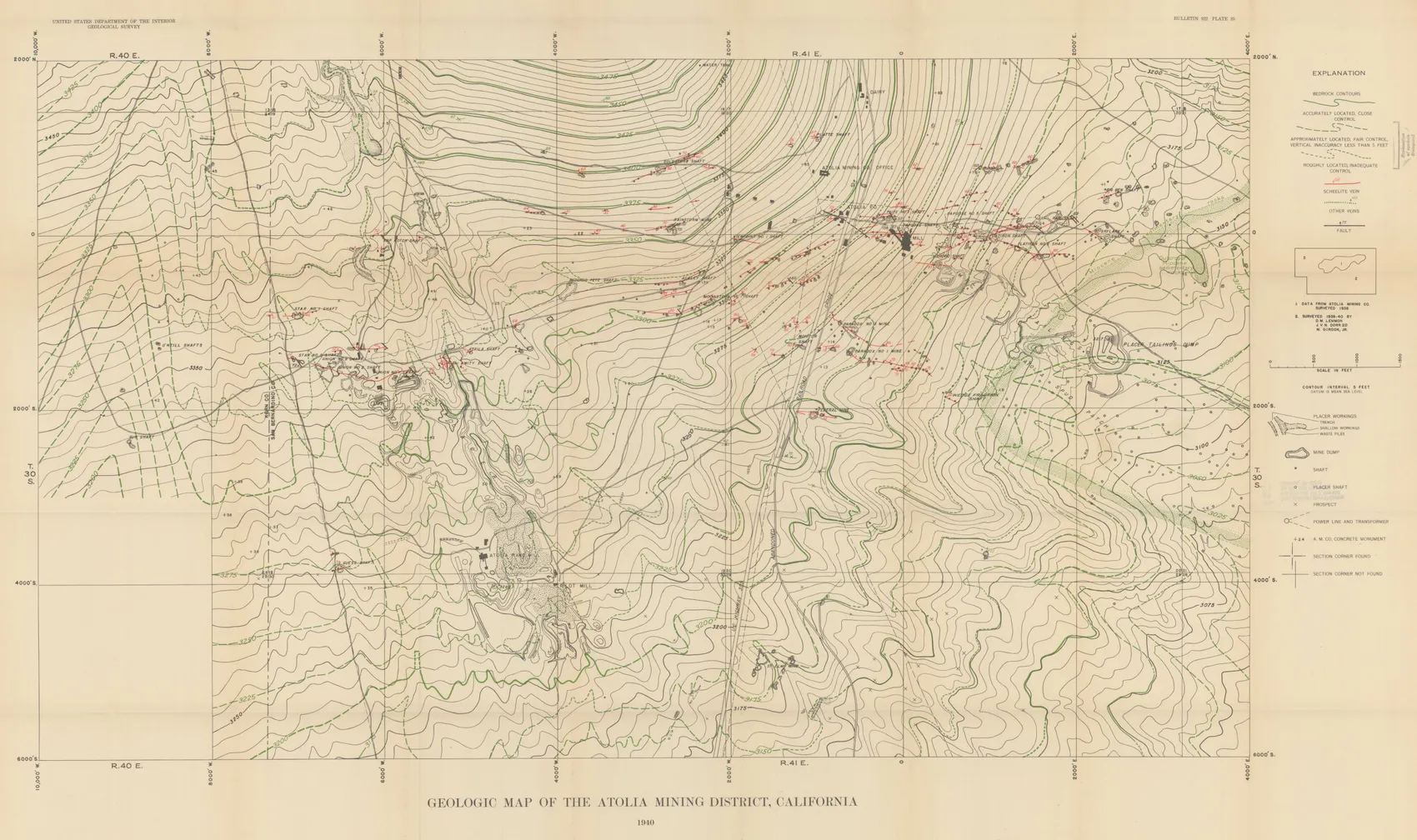
A proposal in California’s historic Atolia district shows what closing part of that gap would look like. The developers propose concentrating ore at two deposits and refining it on site into that intermediate. Federal permit coordination began this month. The public dashboard still listed the environmental review as planned and its completion date as pending. A toolmaker looking to place an order would still need a firm that can turn the intermediate into usable powder. Somebody ought to bring that firm to the hearing.
There’s already a multibillion-dollar alternative on Washington’s books. In its fiscal 2026 report, the Export-Import Bank says it approved up to $10 billion in loan principal for Project Vault, the proposed strategic reserve of critical raw materials for U.S. manufacturers. That figure is a ceiling on financing. It tells a machinist nothing about which material sits in which warehouse, in what grade, or how soon a customer could get it. A stockpile can buy time for a mine to open. A mine can replenish a stockpile that would otherwise run down. Congress ought to demand a price from both sides before it declares either one the bargain.
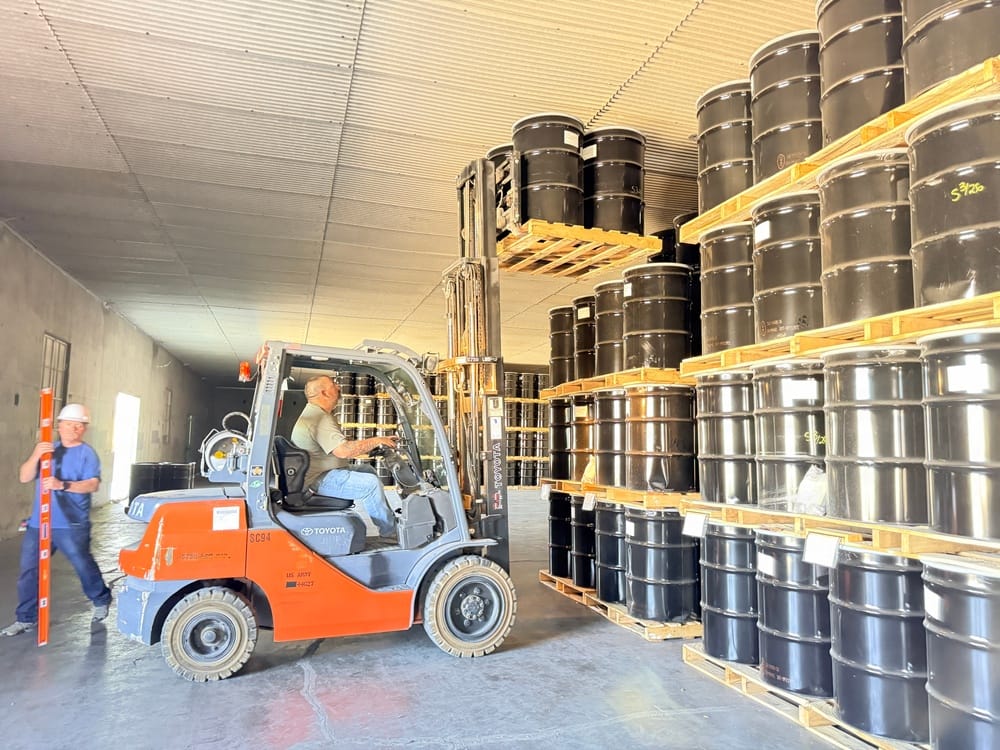
Here’s the bid I’d put out. Ask a domestic mine and processor, a stockpile operator and an allied supplier what each would charge to deliver the same grade, starting on the same day, if the usual foreign refinery went offline. Two suppliers using the same refinery are selling you one point of failure twice. Congress would cap the number of years and the total tax dollars at stake. A federal purchasing agency would award the contract and pay a quarterly standby fee for capacity reserved for American buyers. To collect, the supplier would have to deliver a test lot on time and show that the same output hadn’t already been promised to another customer. Miss the test and that quarter’s fee stays in the Treasury.
Say a processor wins that contract and needs a furnace. A federal construction loan would let it buy and install the furnace now. The processor would owe principal and interest on schedule, even in a quarter when it missed the test. A lender could count the standby contract among the plant’s expected earnings when deciding how much it could repay. Winning the contract would confer no automatic right to a loan. When a factory calls for tungsten it pays the price per pound agreed in the bid. Taxpayers have already bought the right to call on that furnace. They shouldn’t be billed for reserving it a second time.
What the public should own
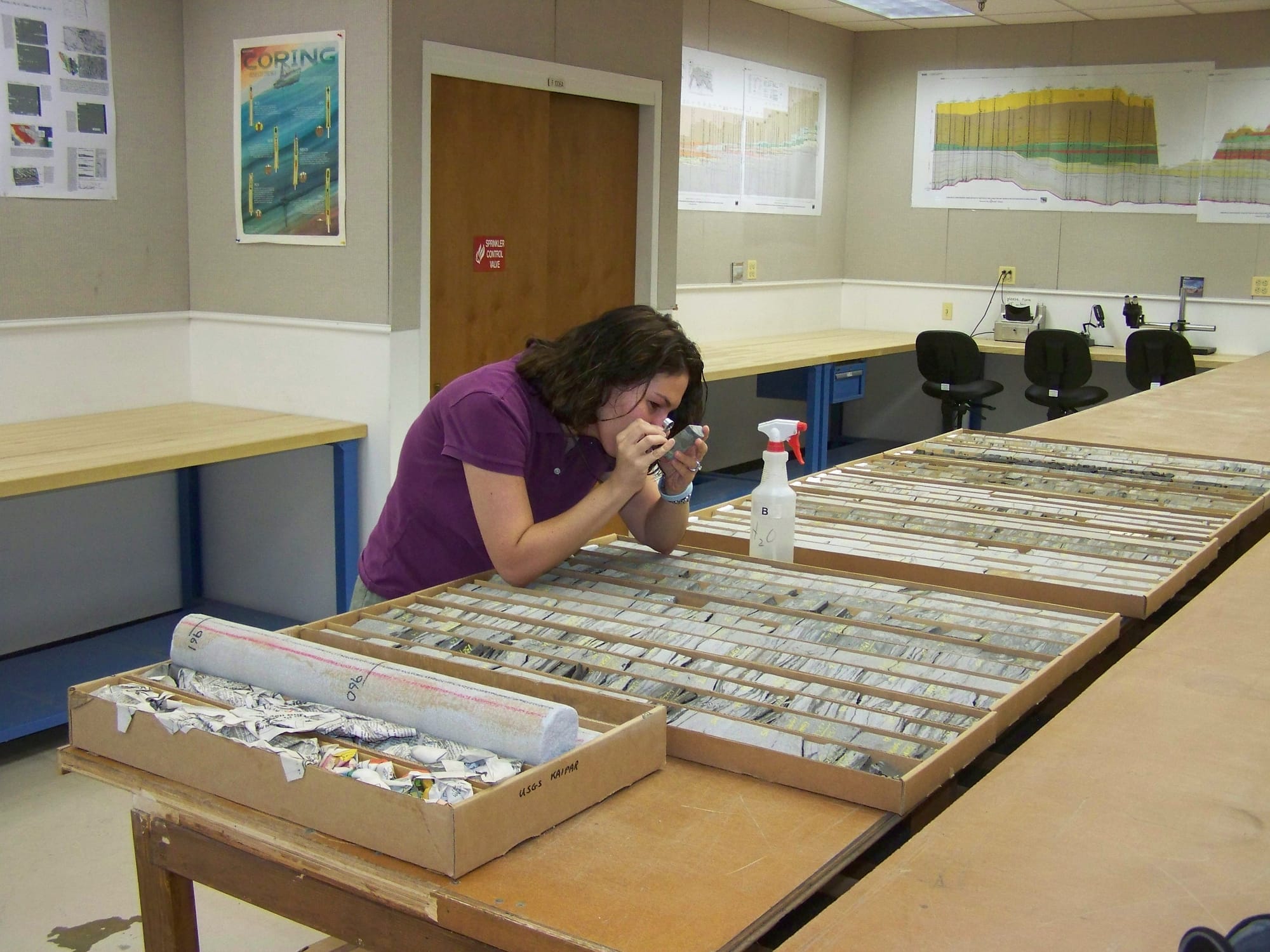
Some of the best mining money never reaches a mining company. On November 9, the U.S. Geological Survey announced nearly $1.7 million in matching grants to 26 state geological surveys to preserve samples and records. Consider what Arkansas plans to do with its share. It will inventory 120,000 historical water-well construction reports, preserve drill cuttings and submit existing samples for analysis. A geologist looking for minerals and a town trying to understand its groundwater can ask different questions of the same core. Neither should have to hire a rig to recover a piece of ground somebody already drilled. The samples, their locations and the record of what came out of that hole are worth keeping in public hands even when a prospect goes nowhere.
Then there are the people who know what they’re looking at. On October 30, the Department of Energy opened a university competition offering up to $70 million to expand the mining and critical minerals workforce. Its estimate was that the United States would need about 6,000 new mining engineers over a decade. First-phase applications are due November 25. A winning program must devote at least half its budget directly to students through scholarships, stipends or similar aid. Later funding depends on availability. That’s a useful fight for Congress to have while the students are choosing a profession. Ask how many can afford the field placement, finish the degree and take a job. An industry that wants experienced people five years from now had better have work for beginners this summer.
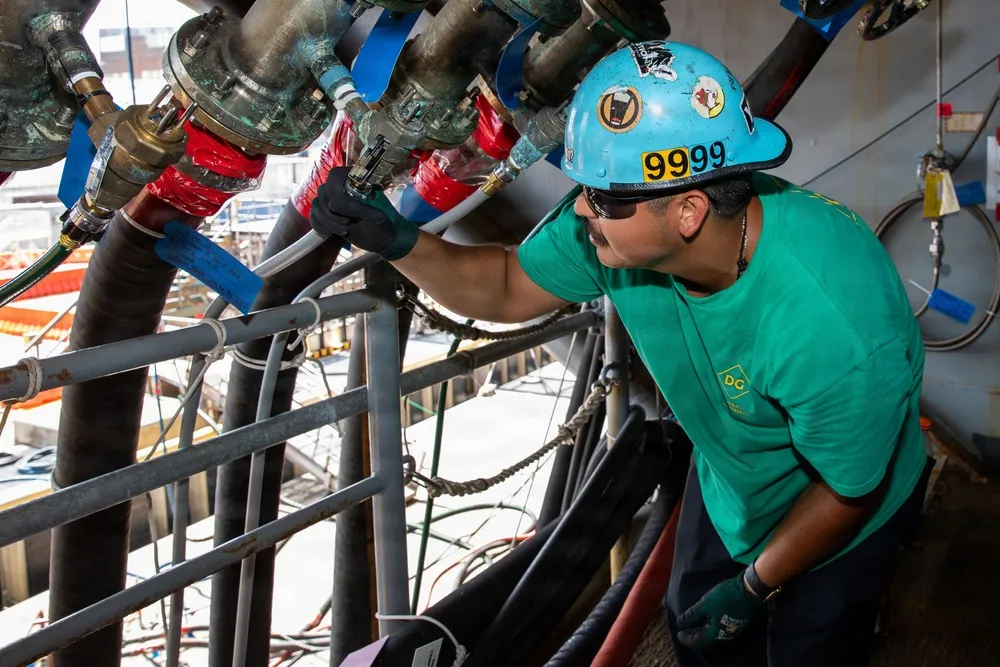
For an idea of what it costs to wait for skilled hands, look at one November construction estimate from a federally backed lithium project in Nevada. The operator added about $245 million for the hours needed to install piping, steel and equipment. Higher craft pay and incentives accounted for roughly another $150 million. Its estimate of exposure to President Trump’s tariffs was about $60 million. Bloomberg reported that the project already had a $2.3 billion federal loan made under President Biden. Washington lent money to build the plant, then taxed some of the equipment going into it. A government serious about bringing mines back ought to be capable of reading its own invoice. Employers, for their part, can pay apprentices to learn a trade they get to keep when this particular job is over.
A mine has neighbors
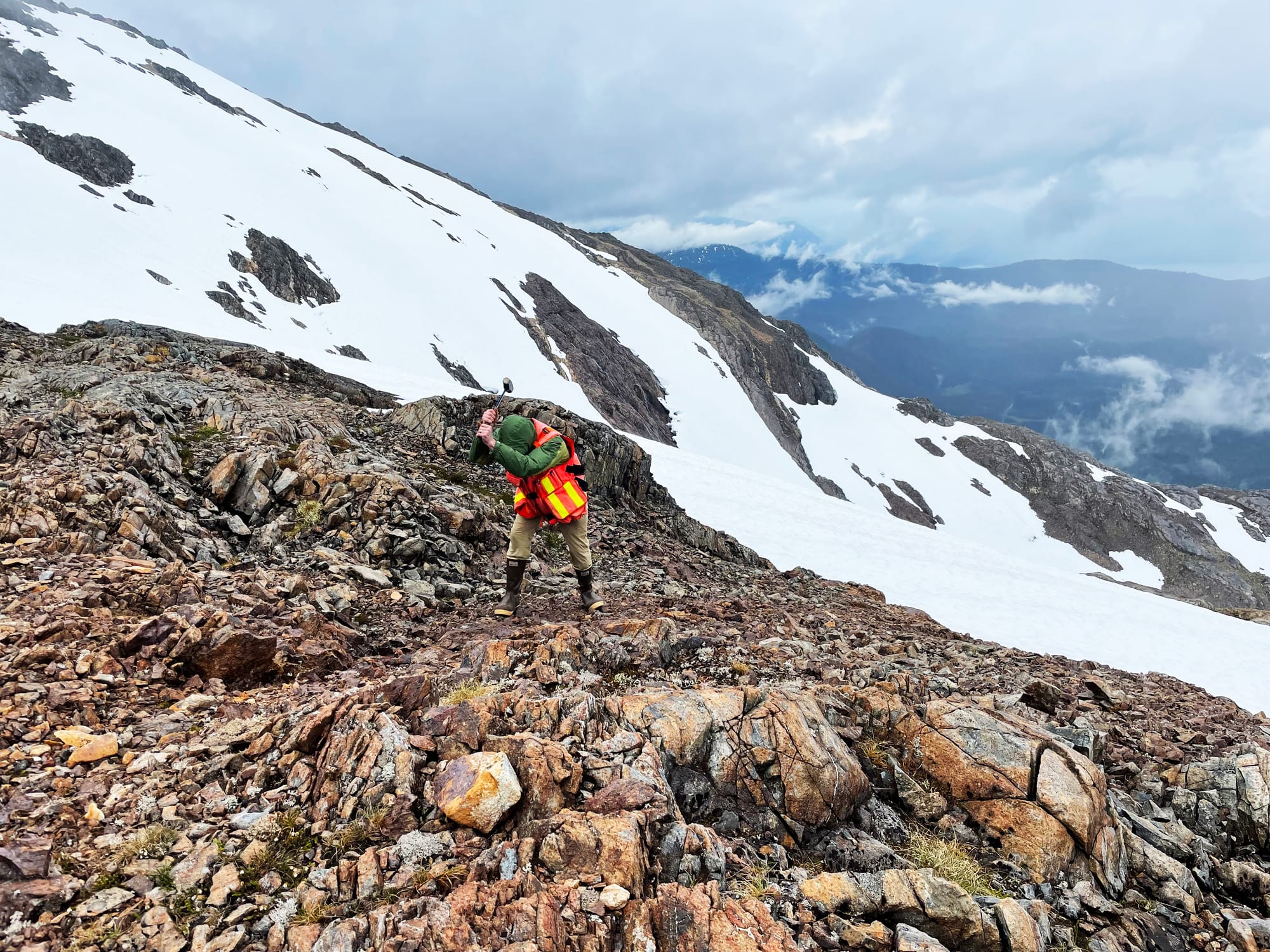
On November 19 the Senate voted 62 to 33 to pass a permitting overhaul that would affect hardrock mining. The amended bill went back to the House. I want public agencies to have enough engineers and hydrologists to give an applicant a timely answer. I also want somebody with a salary independent of the applicant to measure what is already in the creek. Once digging starts, a rancher with a change in well water and an operator who says the minerals were there all along have the same question. What did the water test show before the mine opened? Pay for that work, publish the results and give the people downstream time to challenge them. A faster decision is worth something. A missing sample can cost everybody years.
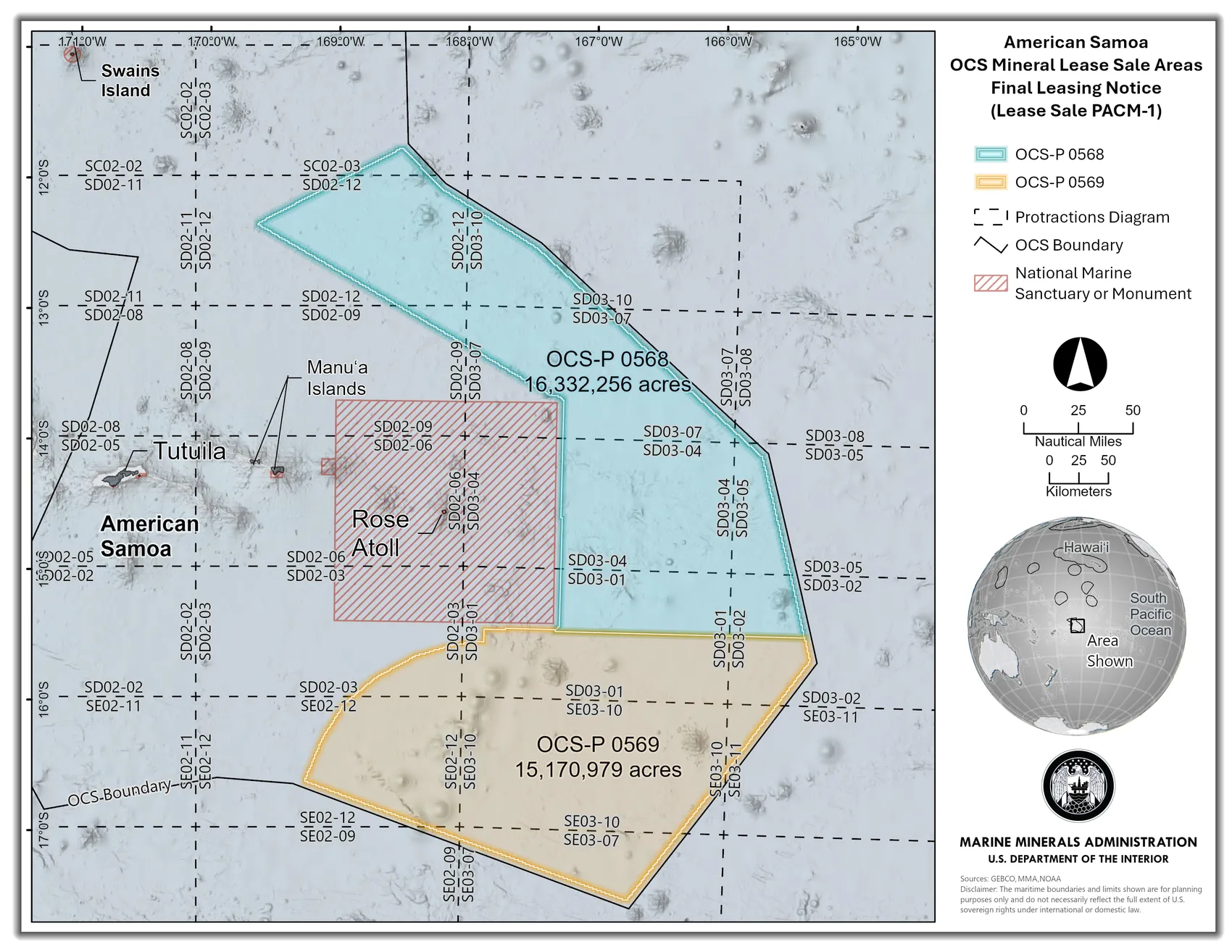
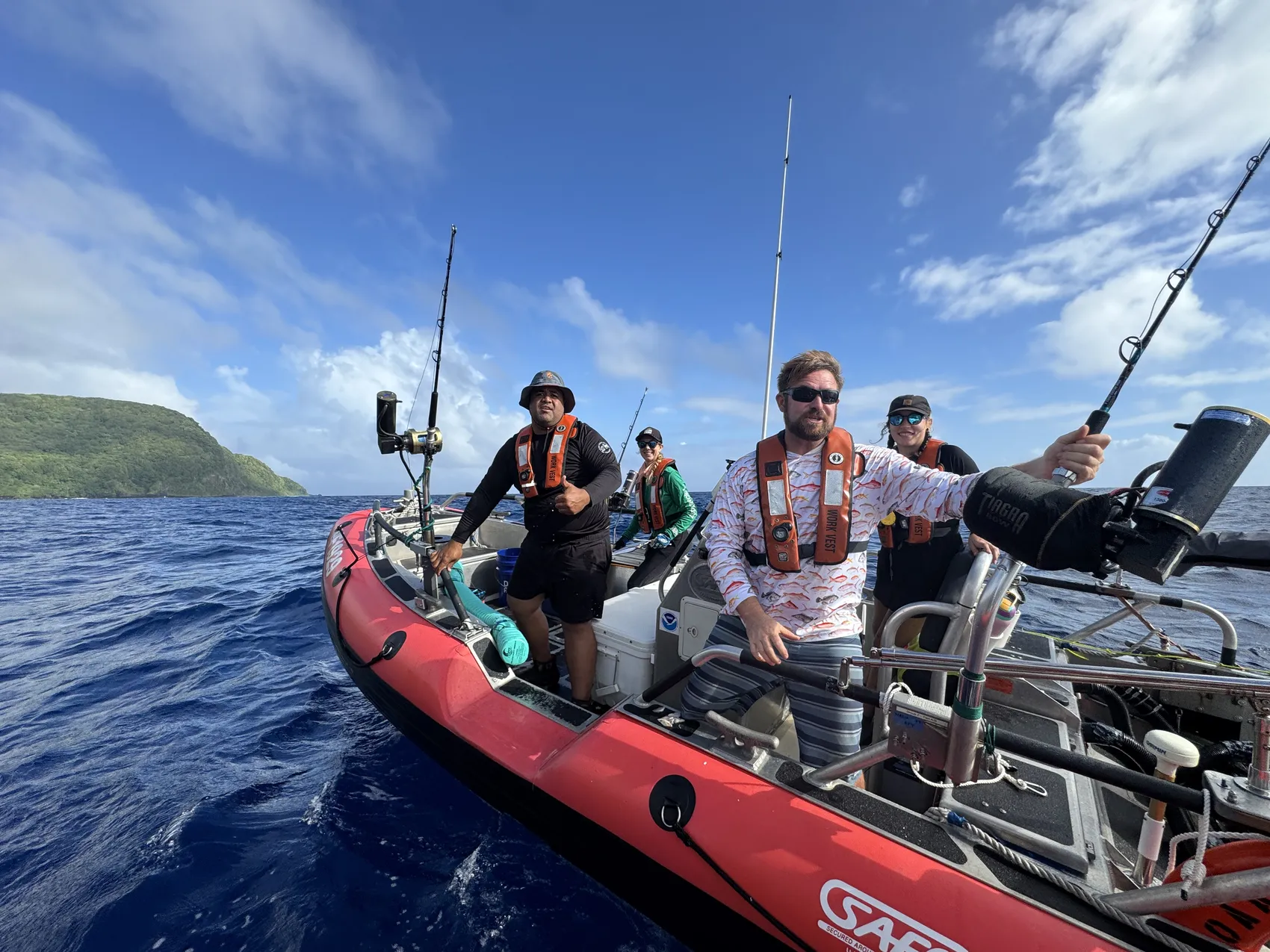
A creek can be sampled before digging starts. Put a lease area out at sea and even the question of who gets to speak for the water is contested. In American Samoa, that question matters to people who fish for a living. The Associated Press reported that one company placed bids in the November 19 auction for two areas of federal seabed near the islands. It offered the minimum of $3 million apiece. The territorial government says neither lease had been issued. Even if signed, the leases would allow initial surveys. Commercial mining would require further review, and a council of local chiefs has challenged Washington’s authority to auction those waters. An auction tells you what somebody is willing to pay for the chance to explore. Try telling a fishing family that the same bid puts a value on what they stand to lose.

If you want to know what a mining contract is worth, read it after the company goes broke. In Montana, the operator of the Zortman and Landusky mines went bankrupt before it finished funding the trust for water treatment. The state and the Bureau of Land Management wound up responsible for the water. A 2025 briefing for Montana legislators put the average volume treated over five years at about 184 million gallons a year. In the twelve months through June 2025, capturing and treating the water and maintaining the site cost $2.8 million. Think about who still has to show up for work when the gold is gone. Somebody has to pay the electric bill and replace the pump. Get the cleanup security in hand while the operator still wants the public’s signature.
Back at the lathe, the useful question is what happens in month four. Suppose qualified material held in reserve will cover three months of orders. A domestic supplier says it can cover a year. Show the shop owner how the supplier will deliver on day one, where the powder will be made and who will cover a missed shipment. Then show the taxpayer the price of the extra nine months. Weigh it against the likelihood of a cutoff and the wages and orders those shops would lose. By December 11, Congress can give a federal buyer the authority and the budget to get those bids. Publish the prices. If nine more months of deliveries are worth the fee, sign the contract. I’d gladly defend that vote. The vote I’d hate to defend is the one that bought the country a warehouse full of the wrong grade of metal and called the job done.