 Strategic Resource Intelligence
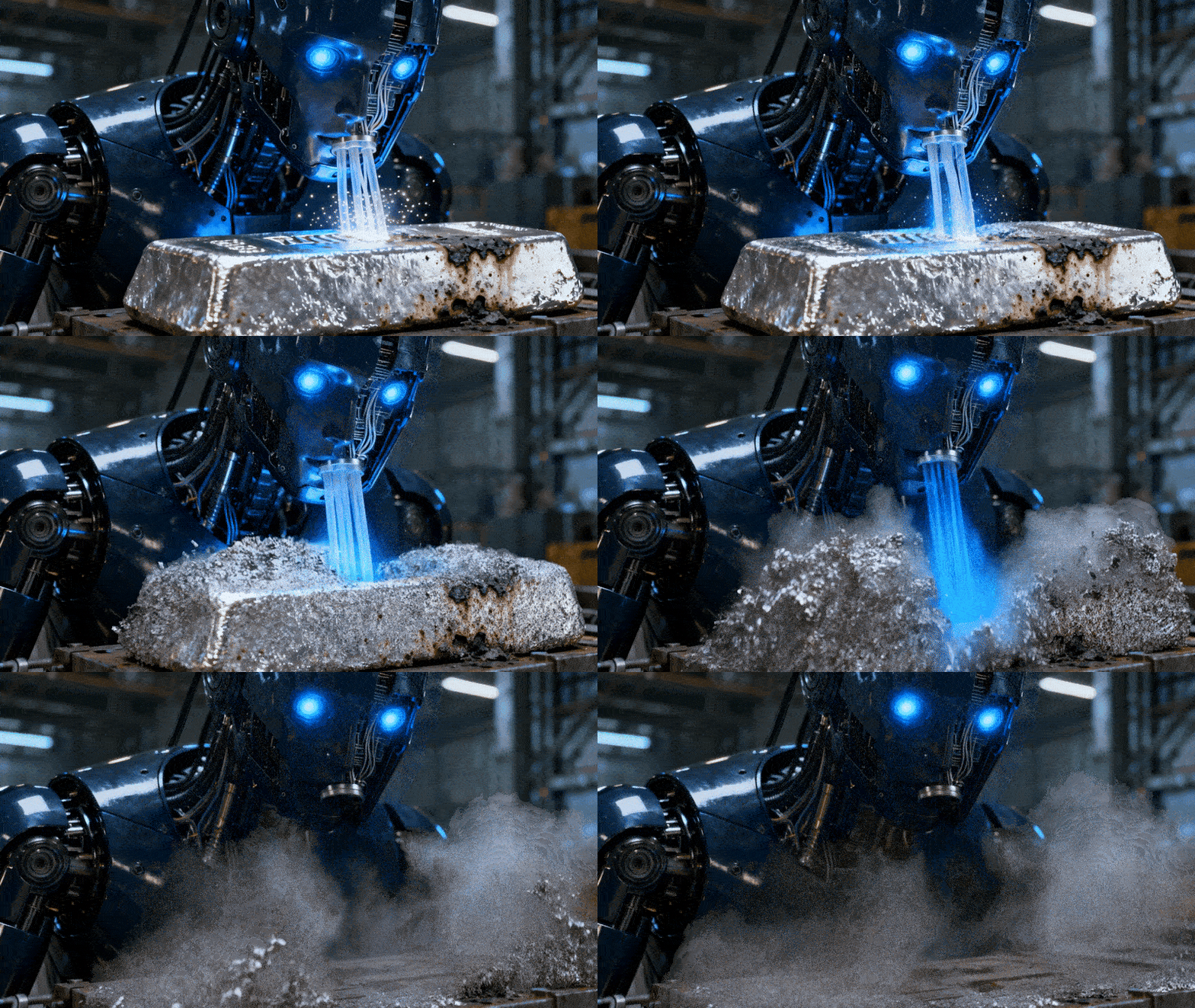
2025 isn’t just the year humanoid robots broke into the mainstream—it’s the year their rise began chipping away at the world’s remaining silver reserves. Behind every eerily human gait, every deft robotic gesture, and each instance of AI autonomy lies a death sentence for a finite resource. Automation isn’t just displacing labor—it’s dismembering the global silver supply, one actuator at a time.
XPeng's Iron: Glamorous Golem or Metallurgical Menace?
When XPeng’s Iron humanoid stunned viewers with a too-perfect walk, many assumed it was a hoax. Then came the dramatic teardown: an exoskeleton of precision engineering powered by AI and muscle-like servos. But that sophistication comes with a material price.
Multiply that by a million units—a milestone XPeng and competitors are charging toward—and you've got 11.5 metric tons of silver permanently removed from circulation. That silver doesn’t get recycled. It doesn’t get recovered. It becomes embedded in silicone tombs marching quietly into every hospital, warehouse, and battlefield on Earth.
Foxconn’s Assembly Line Rebellion: The Silver Siphon Goes Industrial
Foxconn’s upcoming humanoid rollout on its factory floors isn’t just an operational shift—it’s a tectonic reordering of silver’s role in global manufacturing. These Nvidia-driven androids will be churning out servers for AI systems that themselves depend on silver-rich designs. It’s compounding consumption without a return loop. What we’re witnessing isn’t robotics replacing humans. It’s robotics absorbing the silver supply at exponential scale.
AIdol’s Fall: Even Failures Steal Silver
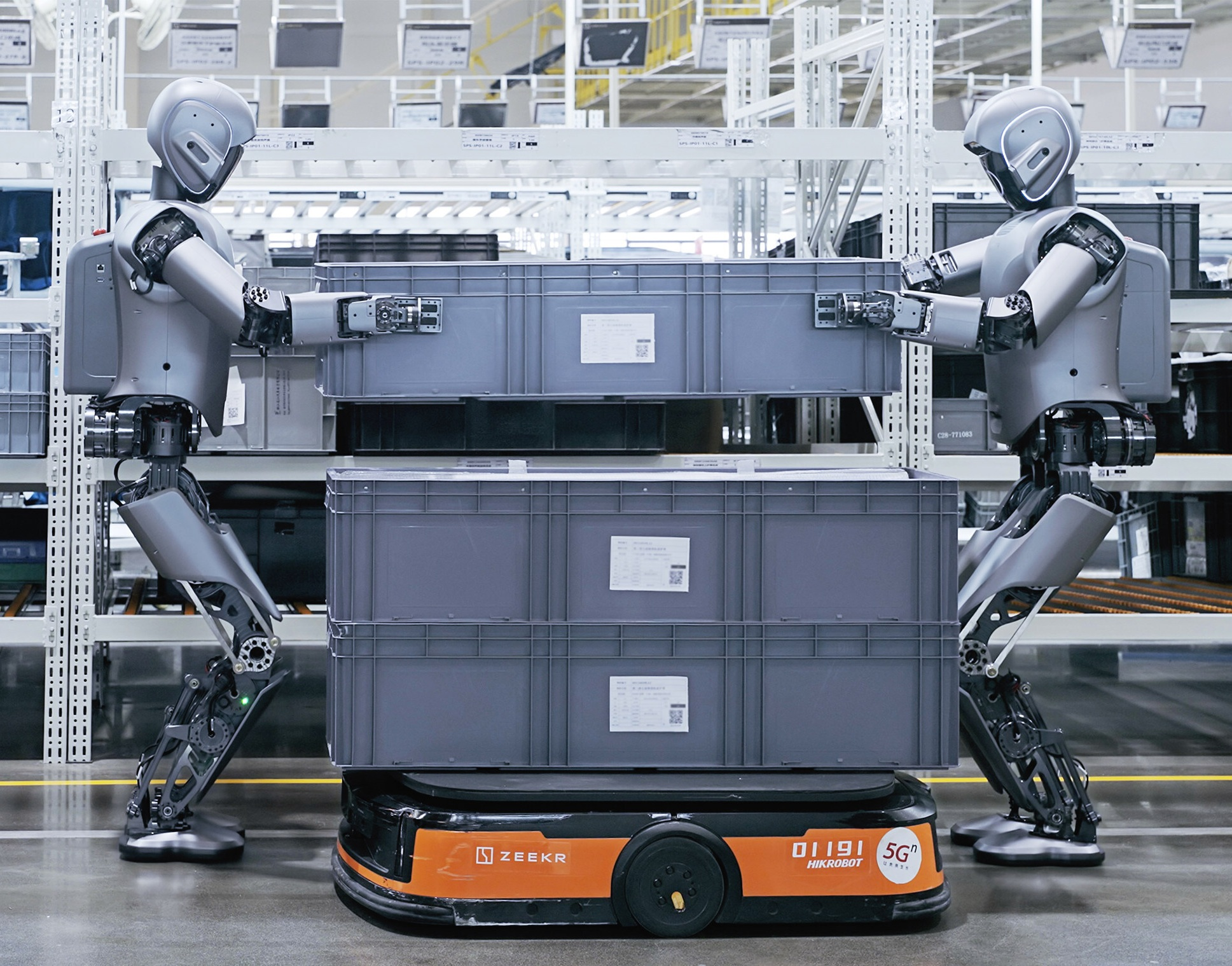
Russia’s AIdol flopped—literally. But the story isn’t about its stumble. It’s about what it consumed just to fall on stage. Each of these prototypes, whether they work or not, contains embedded silver. And when their moment passes, they aren’t disassembled for metal recovery—they’re shelved, scrapped, or worse, thrown into tech landfills. Failed robots still destroy finite resources.
This Is Not a Test—It’s a One-Way Burn
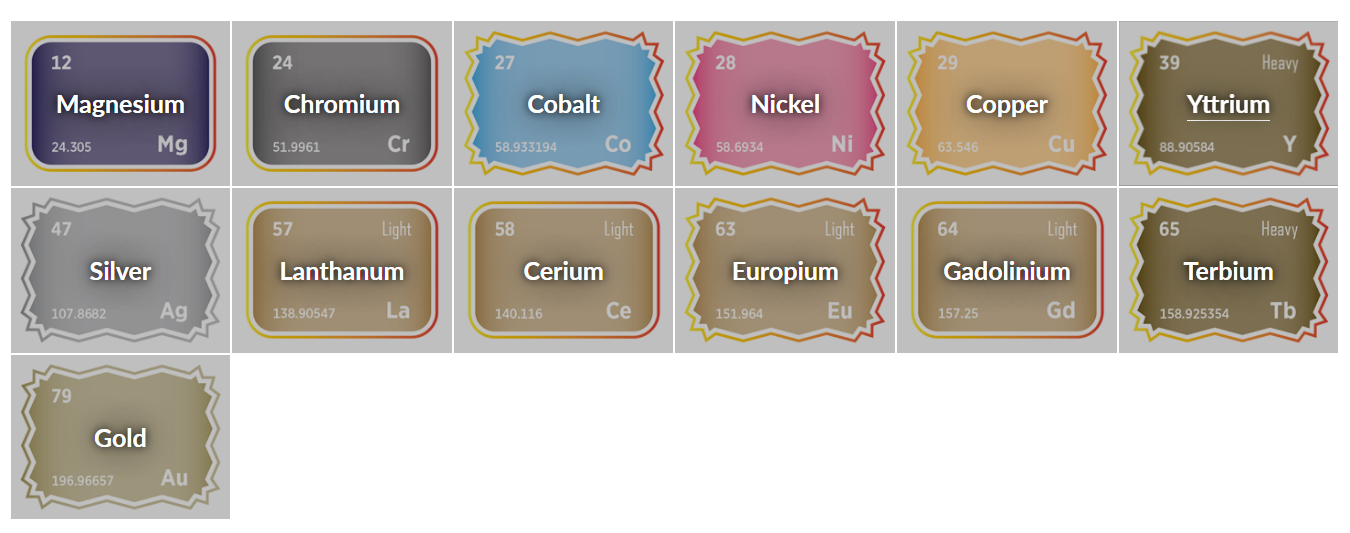

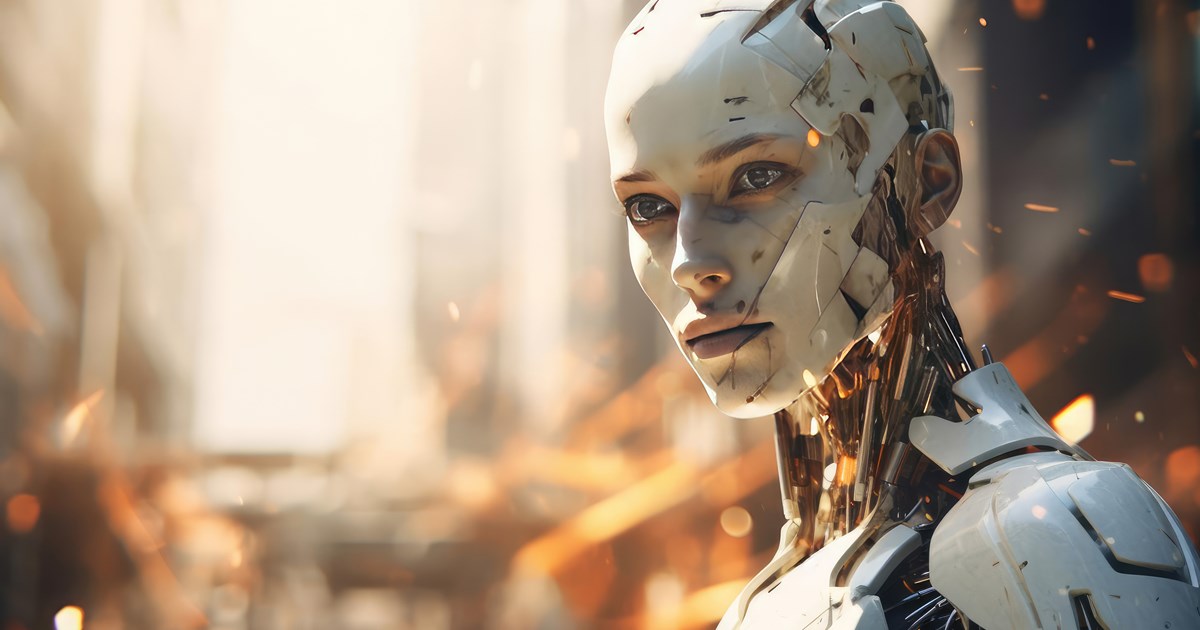
Silver’s role in robotics is like gasoline in a fire: essential but consumed. It enables high-speed data transfer, thermal regulation, and electromagnetic resilience. Once it’s used in high-end robotics, it’s locked away forever. Unlike gold, which sits passively in vaults, silver gets consumed. Burned. Scattered. And now, automation is doing to silver what industrialization did to coal—except we don’t have a replacement waiting in the wings.
 The Monarch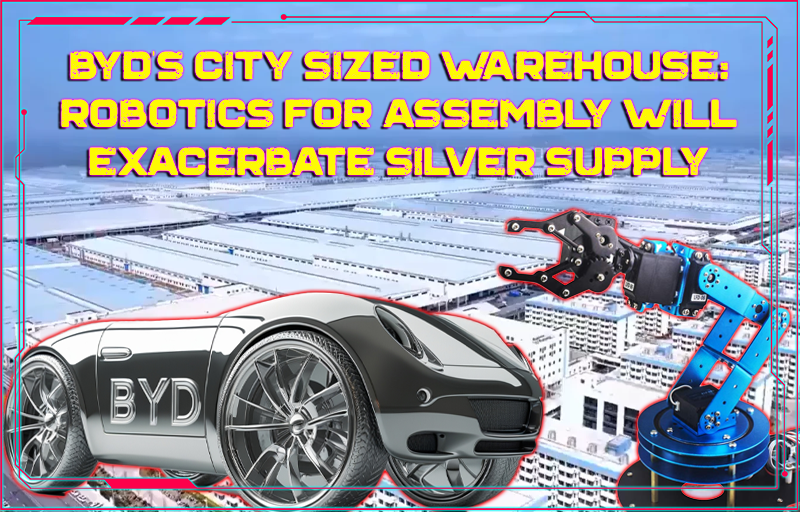
 World Economic News Paper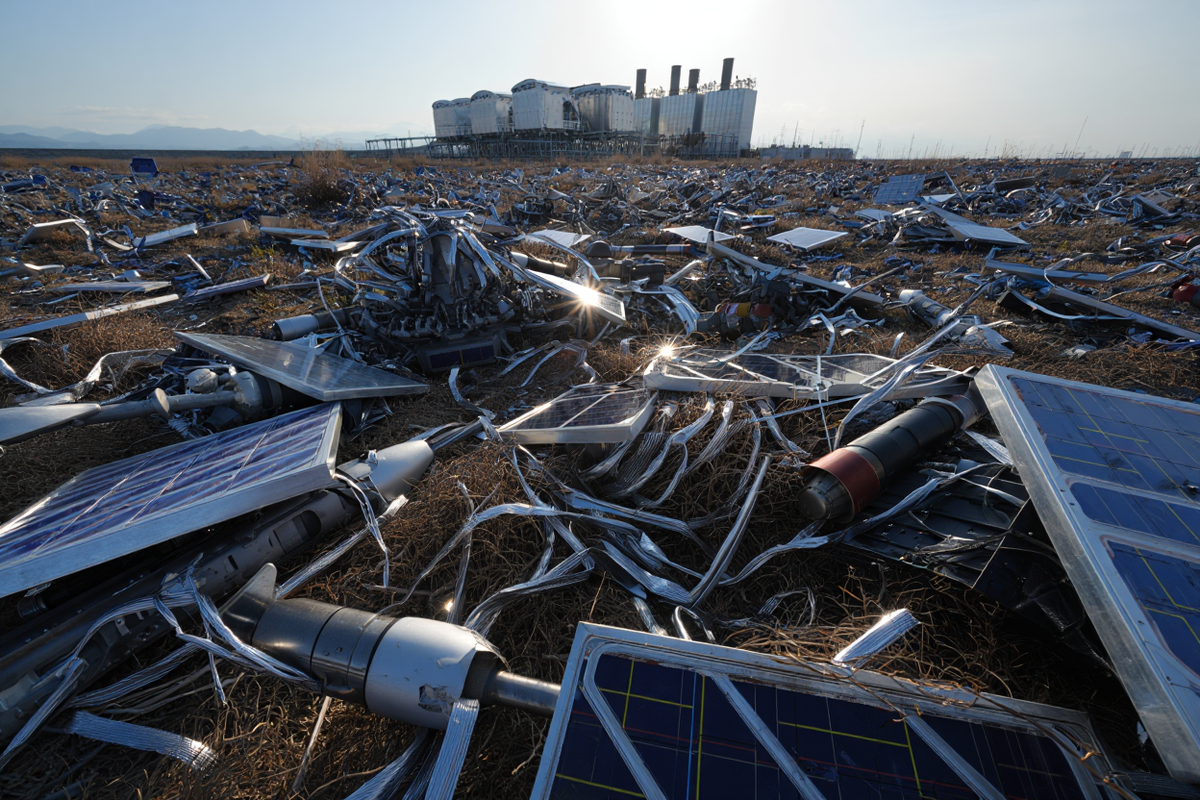
 SILVERWARS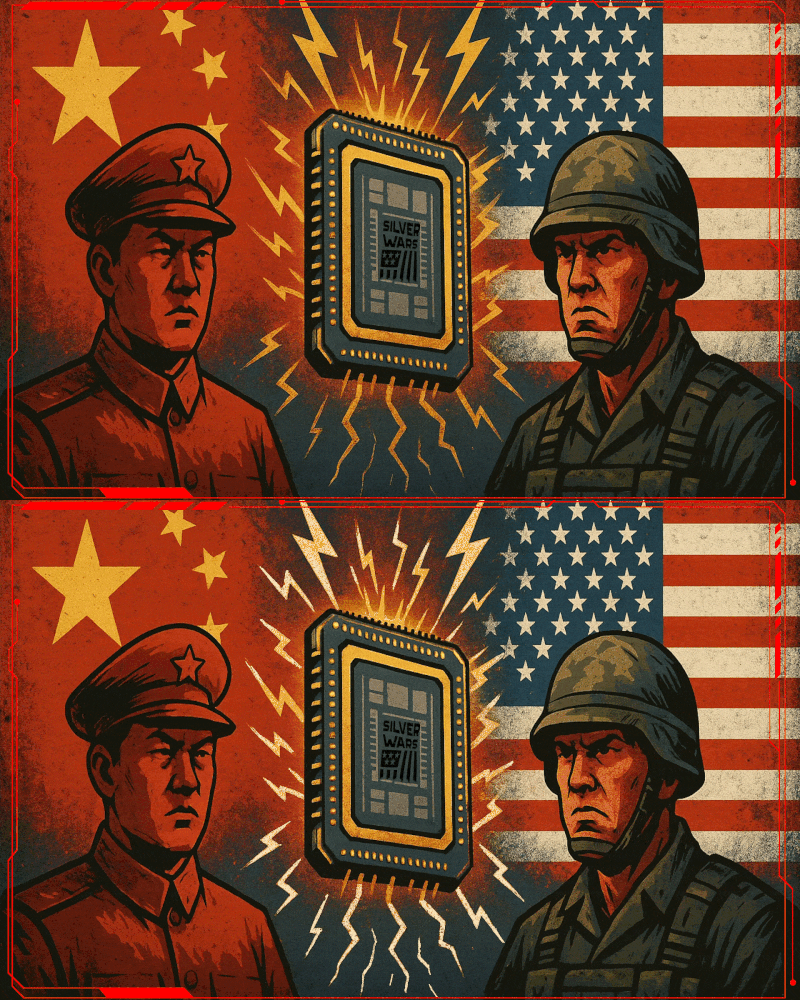
This Is the New Extraction
Let’s call it what it is: a new form of resource extraction. Not from the ground—but from circulation. These bots don’t mine silver. They sequester it. And every wave of innovation drives the wedge deeper. XPeng, Tesla, Samsung, and Foxconn are all on a path that looks eerily similar to peak oil narratives—except this time, it’s peak silver, with no drilling rig to bail us out.
Silver Scarcity and the Illusion of Progress
Progress isn’t clean. Every humanoid robot is a silver siphon with a smiling face. The more ubiquitous automation becomes, the more silver gets permanently entombed in robotic limbs, server clusters, and AI cores. And yet, no regulatory agency is tracking this. No corporation is disclosing how much silver is vanishing into black boxes. The market isn’t pricing this destruction—it’s cheering it.


 The Monarch
We already know that the mining industry can’t respond fast enough. We’ve broken that down in Why the Mining Industry Can't Fix the Silver Supply Problem. Add to that the irreversible loss of embedded silver and you don’t just have a deficit—you have annihilation.
The Endgame: Automation as the Final Silver Trap
When humanoid robots become as common as smartphones, the silver won’t be there to keep scaling.
Retrofitting? Not viable.
Recycling? Infeasible.
The destruction is silent, systemic, and accelerating.
If policymakers don’t wake up and force material audits or silver recovery standards into place now, they never will. And by the time this generation of humanoids reaches obsolescence, the world may find itself technologically ready—but materially bankrupt.