 Strategic Resource Intelligence

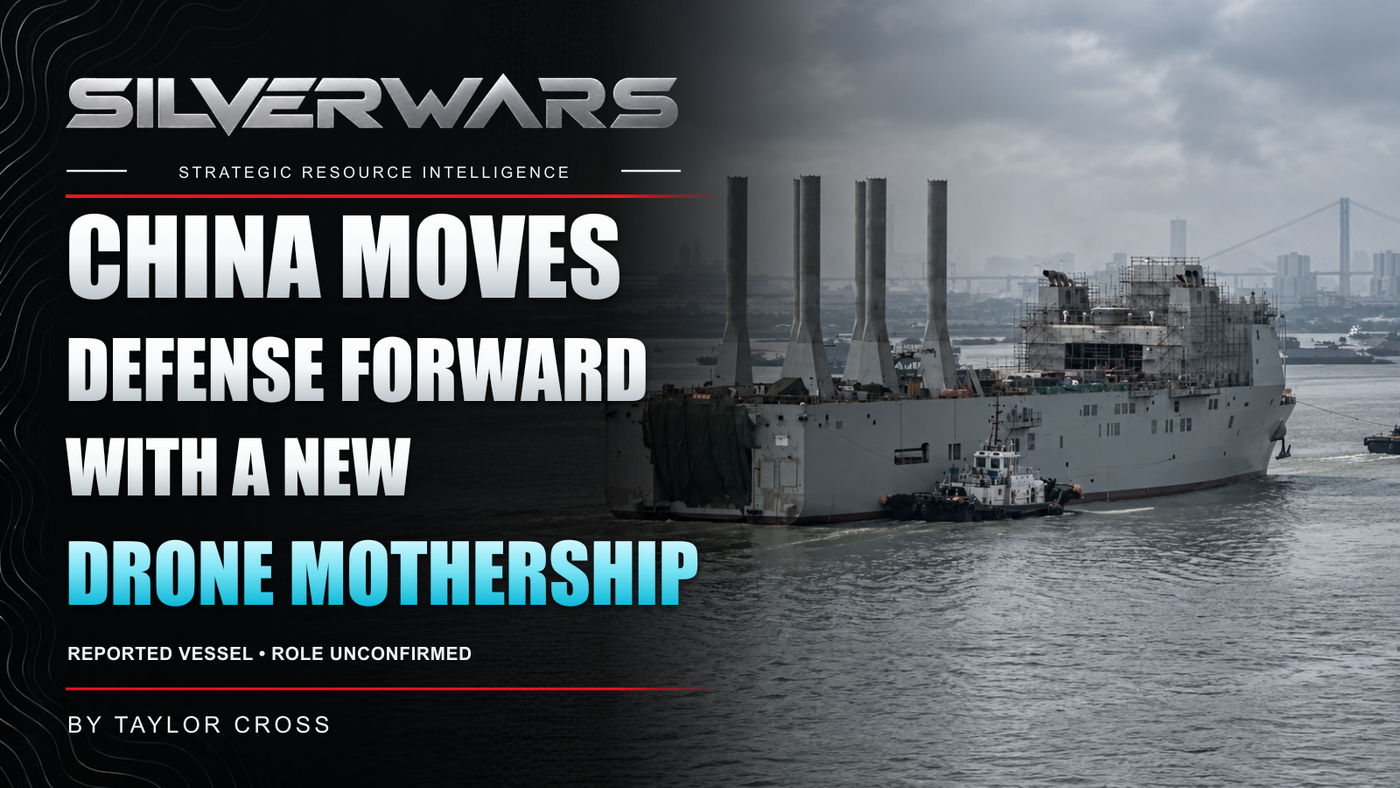
A possible Chinese underwater-drone mothership has appeared under tow in Guangzhou. Naval News reported the images on October 18, 2026, showing six raised structures above the stern and an opening resembling a well deck. Scaffolding and missing equipment suggest that fitting out is unfinished. The images came from short Chinese social-media videos; their authenticity and the vessel’s intended role remain unconfirmed.
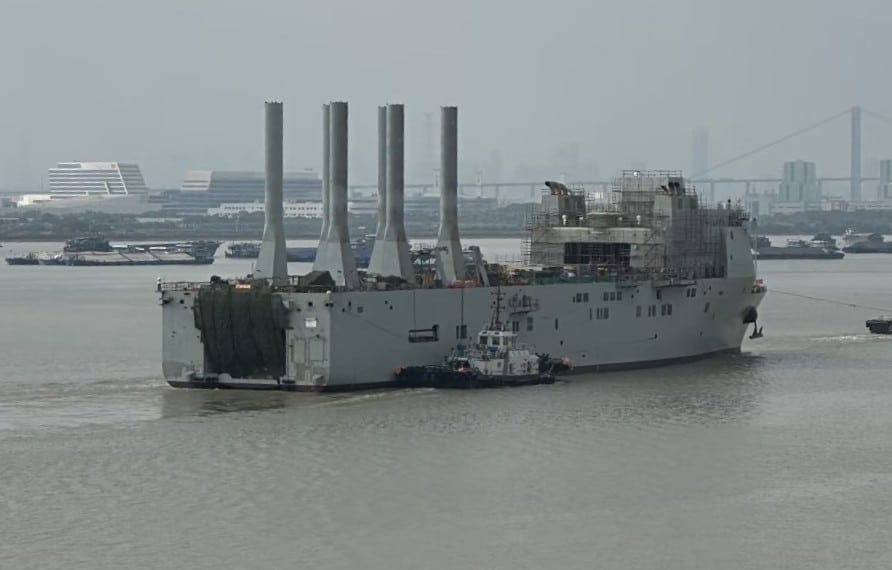
The Guangzhou vessel follows an unusual ship reported under construction at Hudong-Zhonghua in Shanghai in September. That design has twelve tall structures associated with a proposed lifting arrangement. The Guangzhou ship’s six suggest a different configuration. Both have a raised forward deckhouse and a large aft opening, features that have prompted interpretations of an underwater-vehicle support role.
What the ship appears built to handle
Naval observer H I Sutton interprets the Shanghai arrangement as a cradle lowered vertically into the sea, with a hangar forward that could house submersibles. His proposed role is a mobile tender: carrying the craft, supporting maintenance and keeping them out of the water between deployments. That function remains an interpretation.
The same analysis describes a different arrangement used for testing Chinese uncrewed submarines: floating docks that house the craft in port and carry them to sea for launch and recovery. A mobile tender would combine that handling role with a ship’s working spaces. It would give the underwater vehicle a supporting base, rather than turning the support vessel itself into the drone.
The distinction is between handling a vehicle and sustaining its work underwater. The proposed stern machinery addresses the transfer between ship and sea. The reports leave open what powers the drones after launch, including their battery chemistry and endurance.
The power leaves with the drone
A separate, documented example makes that energy requirement tangible. Norway’s HUGIN Superior carries a swappable lithium-polymer battery with 67 kilowatt-hours of capacity. Kongsberg specifies 62 hours of typical endurance with all sensors running—more than two and a half days. Those figures describe this Norwegian vehicle. They supply a concrete example of onboard energy storage, without assigning its equipment or performance to either Chinese ship.
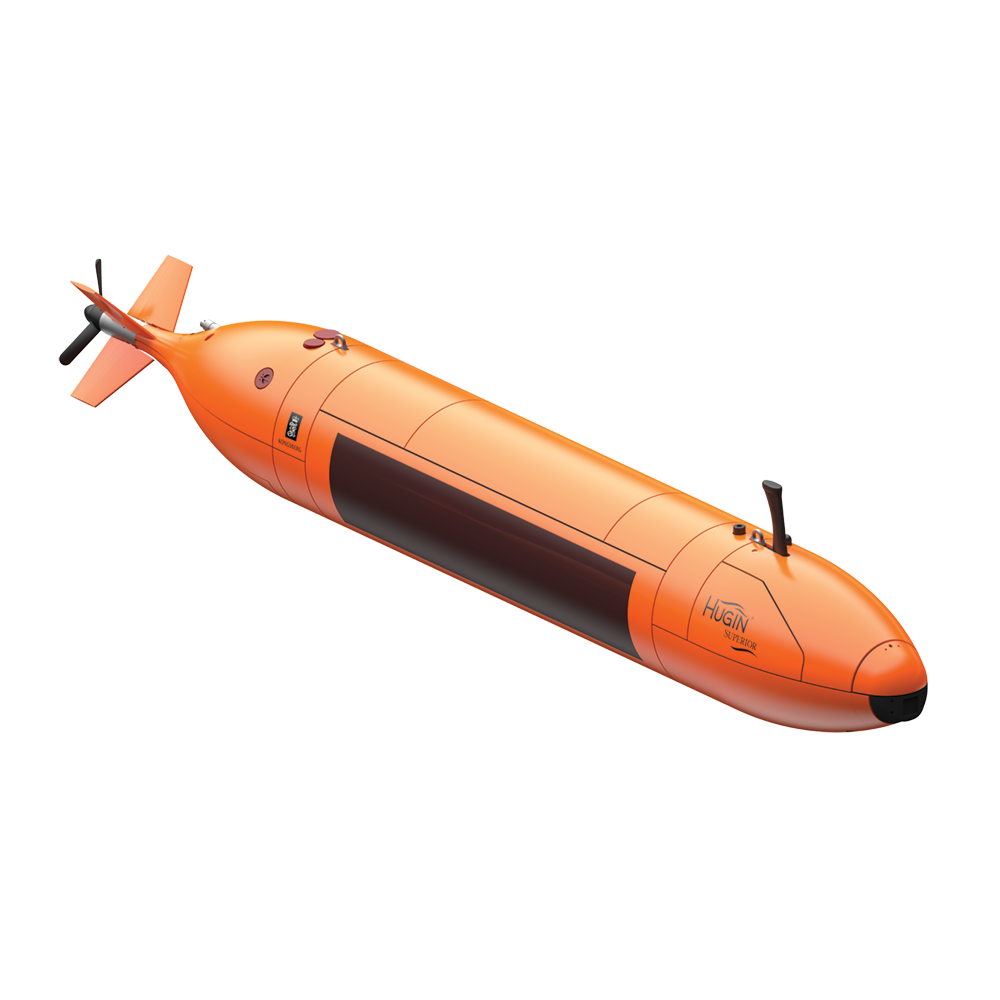
The same datasheet lists a battery charger and launch-and-recovery equipment for use above water. The battery stays aboard the vehicle, supplying electrical work after the handling equipment has released it.

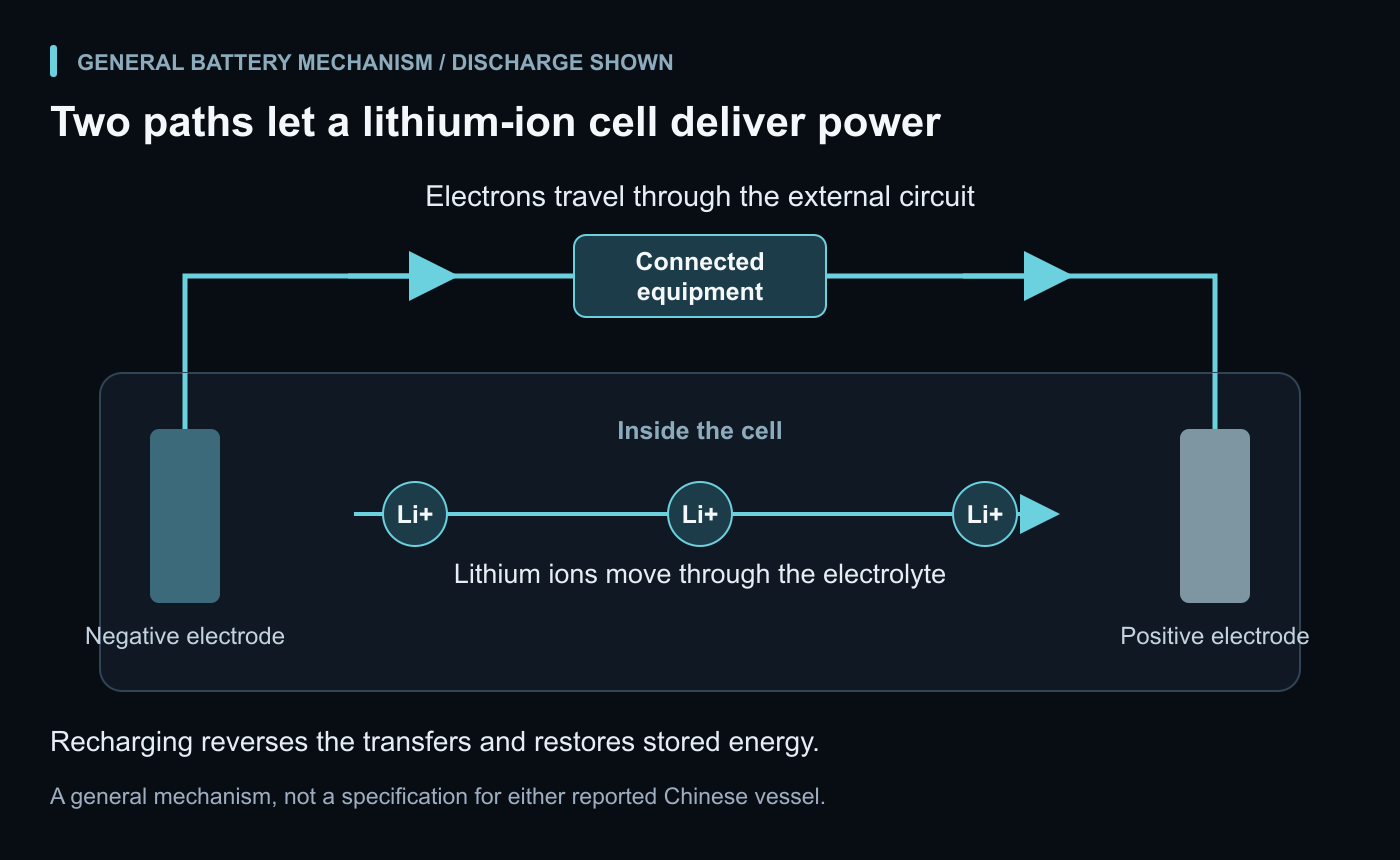
Lithium appears on the United States’ 2025 critical-minerals list. In a lithium-ion battery, positively charged lithium ions move between electrode materials through an electrolyte. Electrons travel through the external circuit, supplying electrical power to connected equipment. The Department of Energy’s explanation of battery storage describes these paths and the reversible movement that supports recharging. This chemistry lets the cell store energy and release it as electrical work. Inside a battery-powered underwater robot, that work can drive propulsion and supply the electronics that navigate and collect measurements.
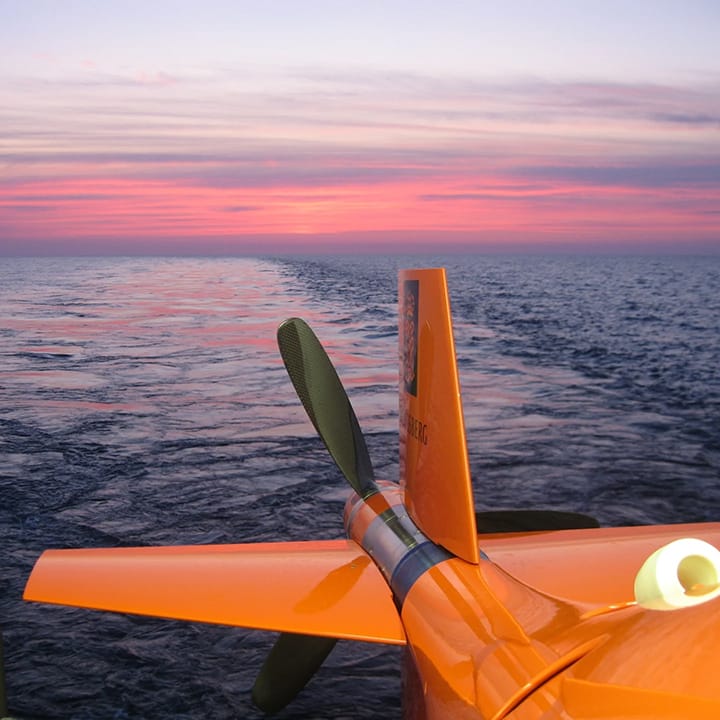
The battery also takes up room inside the vehicle. In a 2007 case study of France’s experimental Redermor, Saft reported that a lithium-ion replacement powered the thrusters and electronics in a module half the size of its predecessor. The supplier said this freed room for equipment or battery capacity. That particular replacement illustrates a shared constraint: the energy store and the instruments must fit inside the same vehicle.
Another Norwegian model, HUGIN Endurance, uses pressure-tolerant lithium-ion batteries for a design intended for unsupervised commercial surveying. It can be launched and recovered from shore or a ship. Navigation, sensors and control systems also contribute to its independent operation; battery chemistry alone does not produce the capability.
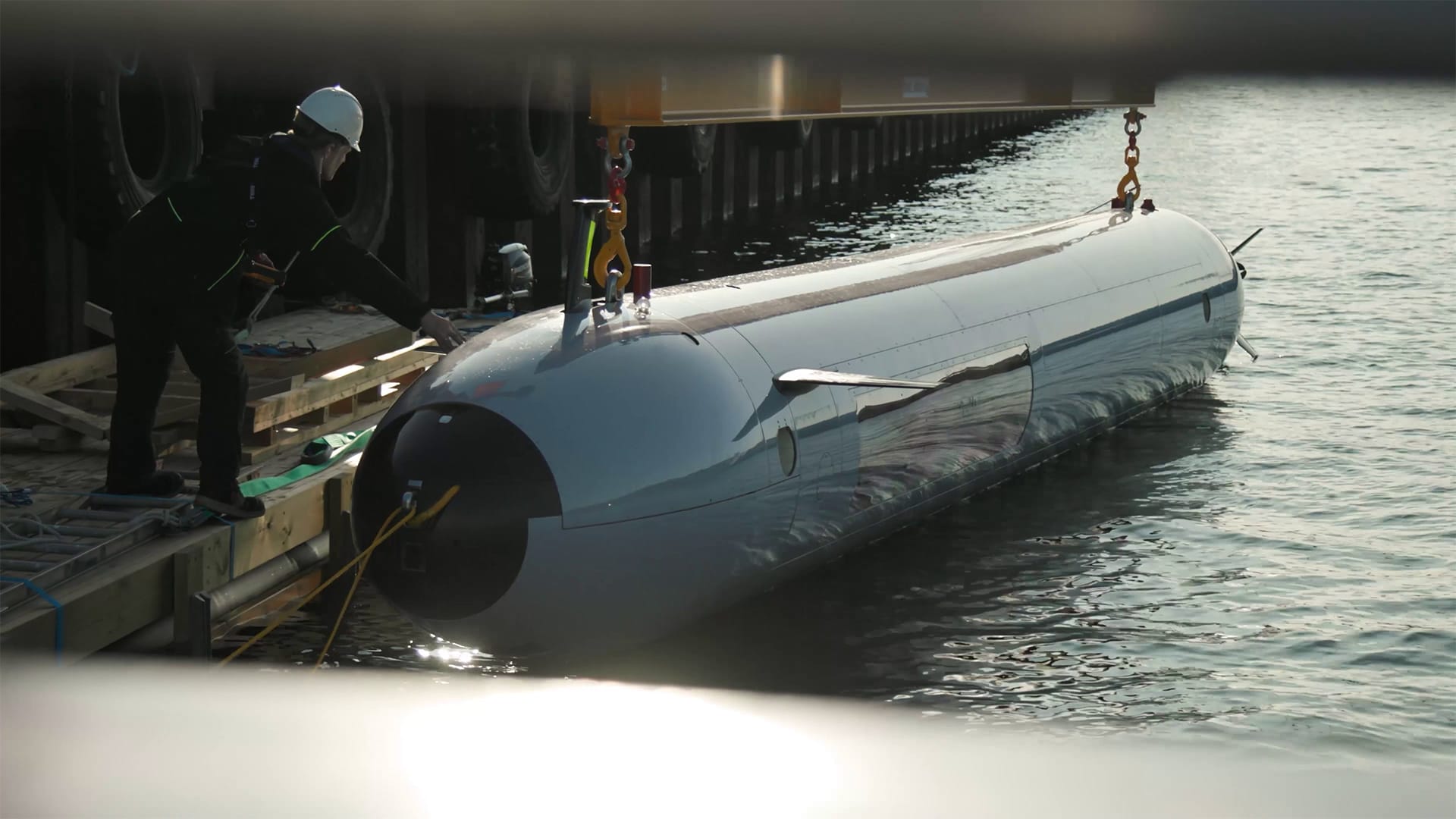
The survey results show what that combination is for. In a multiweek HUGIN Endurance trial reported in September 2024, Kongsberg said the vehicle collected detailed sonar images and depth measurements across 36 square nautical miles in less than 48 hours, alongside camera imagery and laser profiles. Stored energy supported both the journey and the instruments recording the seabed. Endurance becomes useful when it produces measurements the vehicle can bring back.
Supporting the next deployment
HUGIN Superior’s specified charge time is six to nine and a half hours. A swappable pack can let a recovered vehicle receive a charged battery while the removed pack is replenished. That still requires charging equipment and charged packs. The support platform and the onboard energy store therefore contribute at different points in repeated deployments.
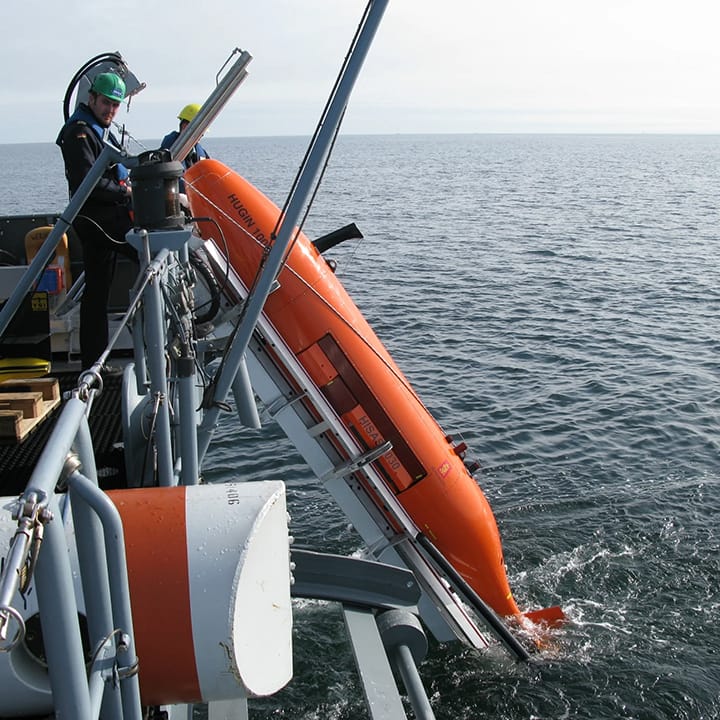
For the reported Chinese ships, the next useful evidence would show what sustains their vehicles after launch. Their unusual stern arrangements make the handling question visible. The documented lithium-powered examples explain the energy store’s contribution: it supplies propulsion and instruments within the vehicle’s available space, then accepts another charge. A mothership can provide the base; useful time underwater still has to be carried aboard the drone.