 Strategic Resource Intelligence


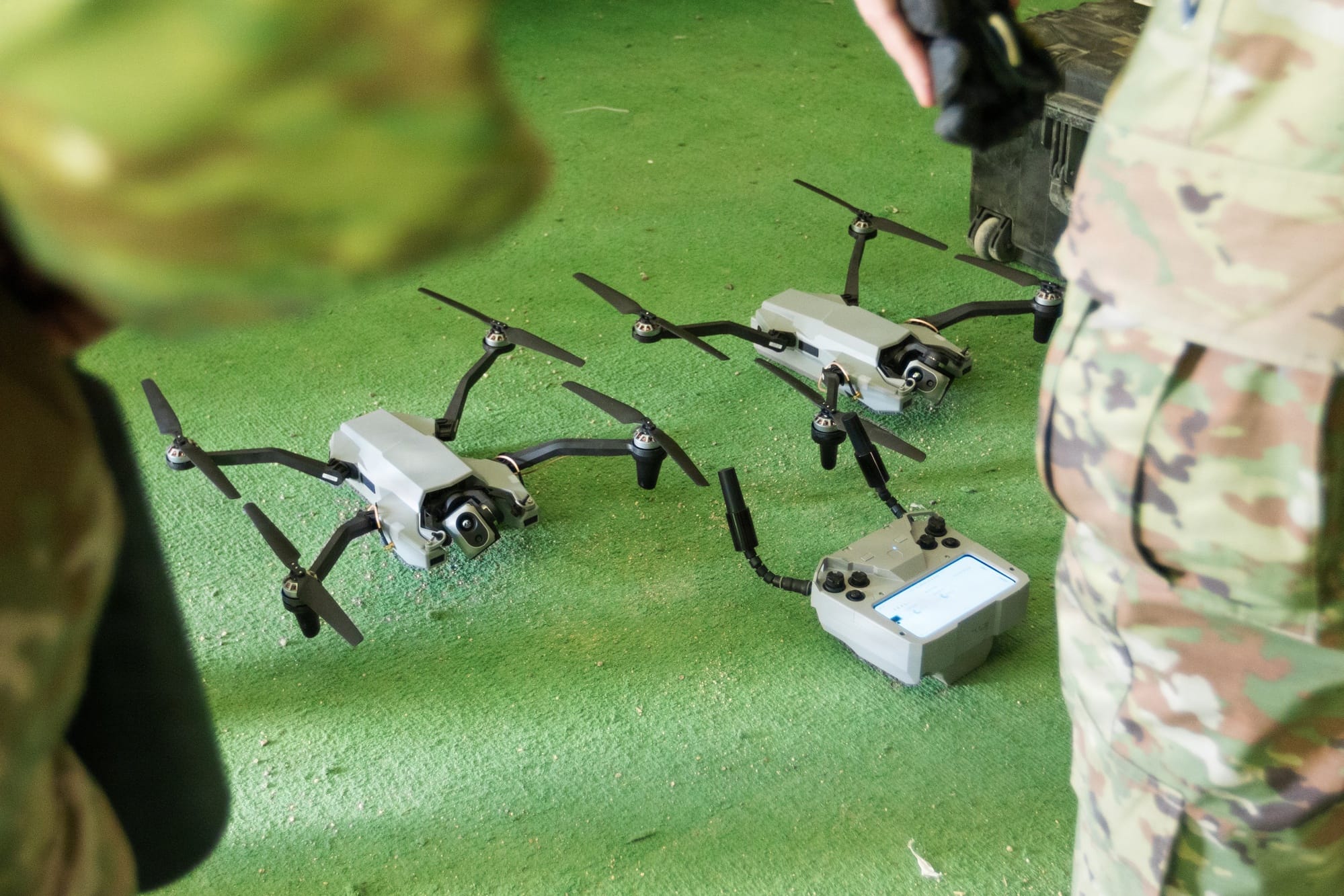
Washington Army National Guard soldiers trained with Black Widow drones at Yakima Training Center from September 17 to 19, 2026. For imaging teams, the aircraft’s documented camera design opens another question: how does a small detector turn incoming infrared radiation into a picture?
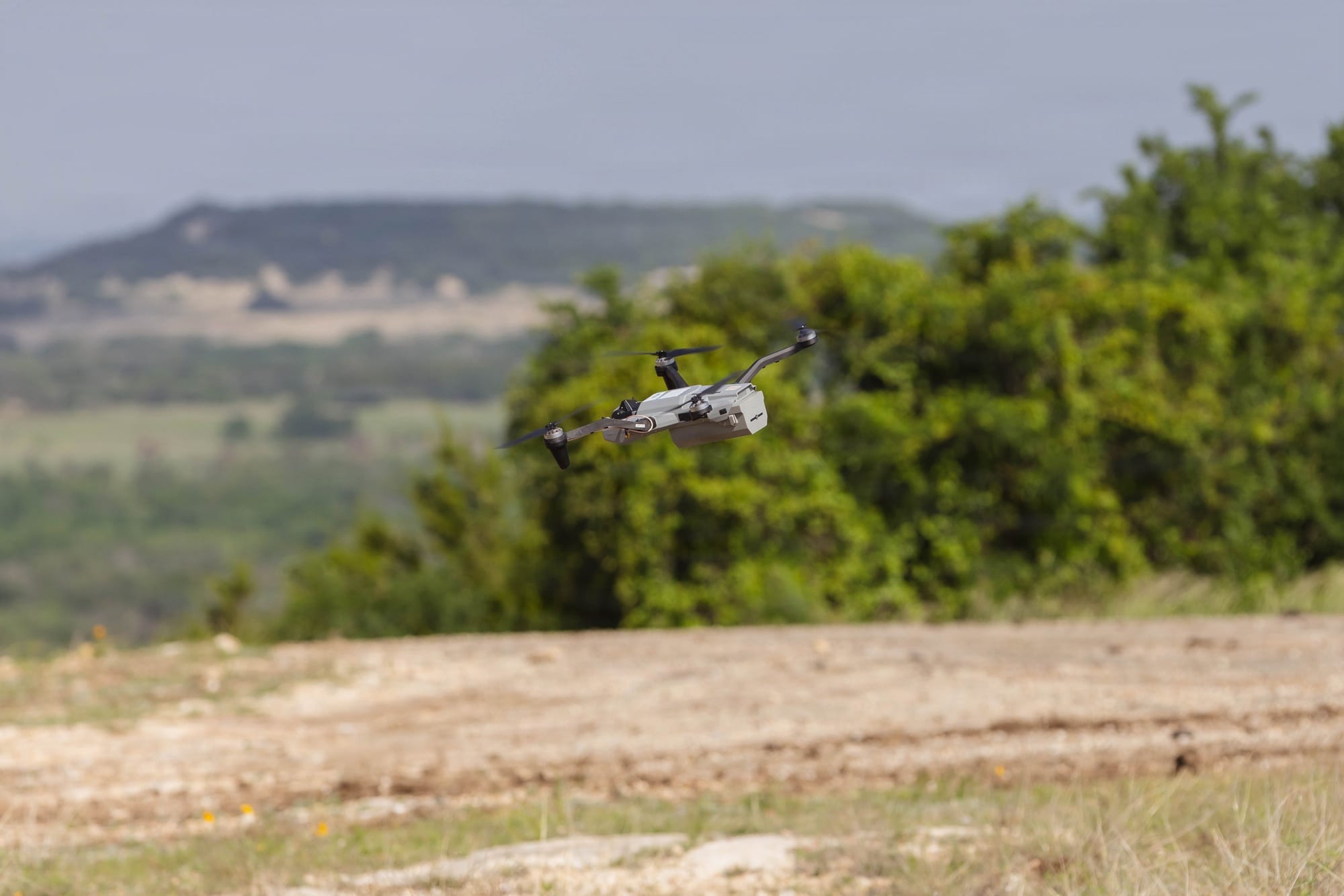
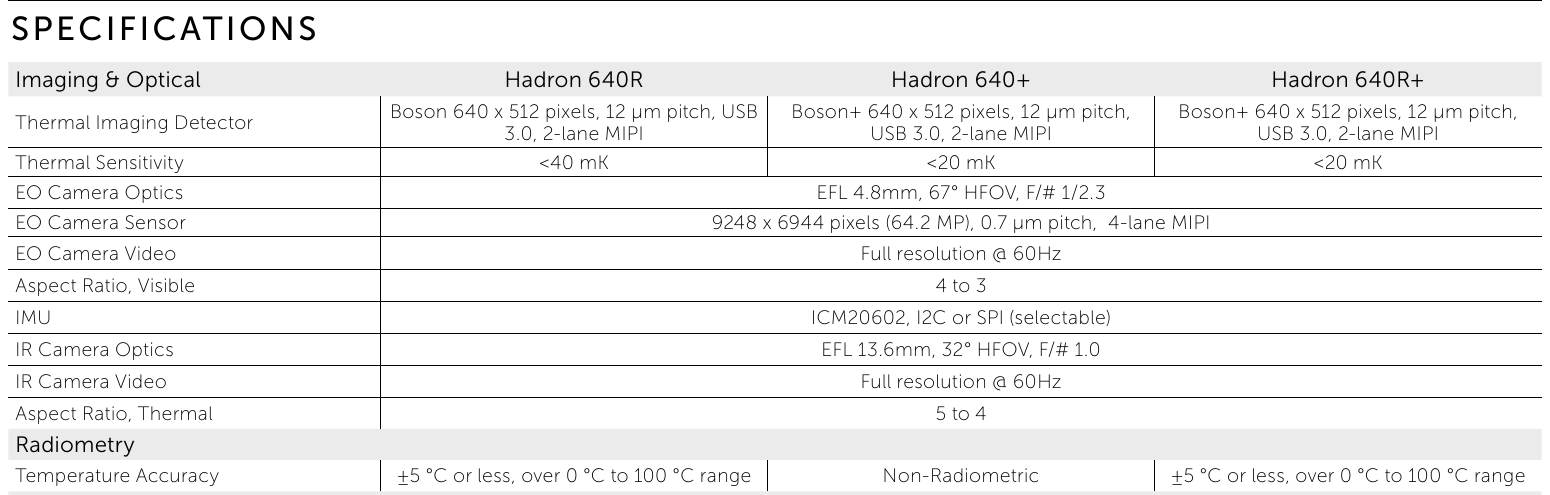
In November 2024, Teledyne FLIR identified its Hadron 640R+ camera module as part of Black Widow. That module combines a visible camera with a Boson+ thermal camera. Red Cat’s current product page lists an Ocellus 3CP payload with a FLIR Boson 640 R+ thermal camera. The Army’s exercise report does not identify its aircraft’s payload revision; the material explanation here follows the documented Hadron/Boson+ design.
The material that responds to heat
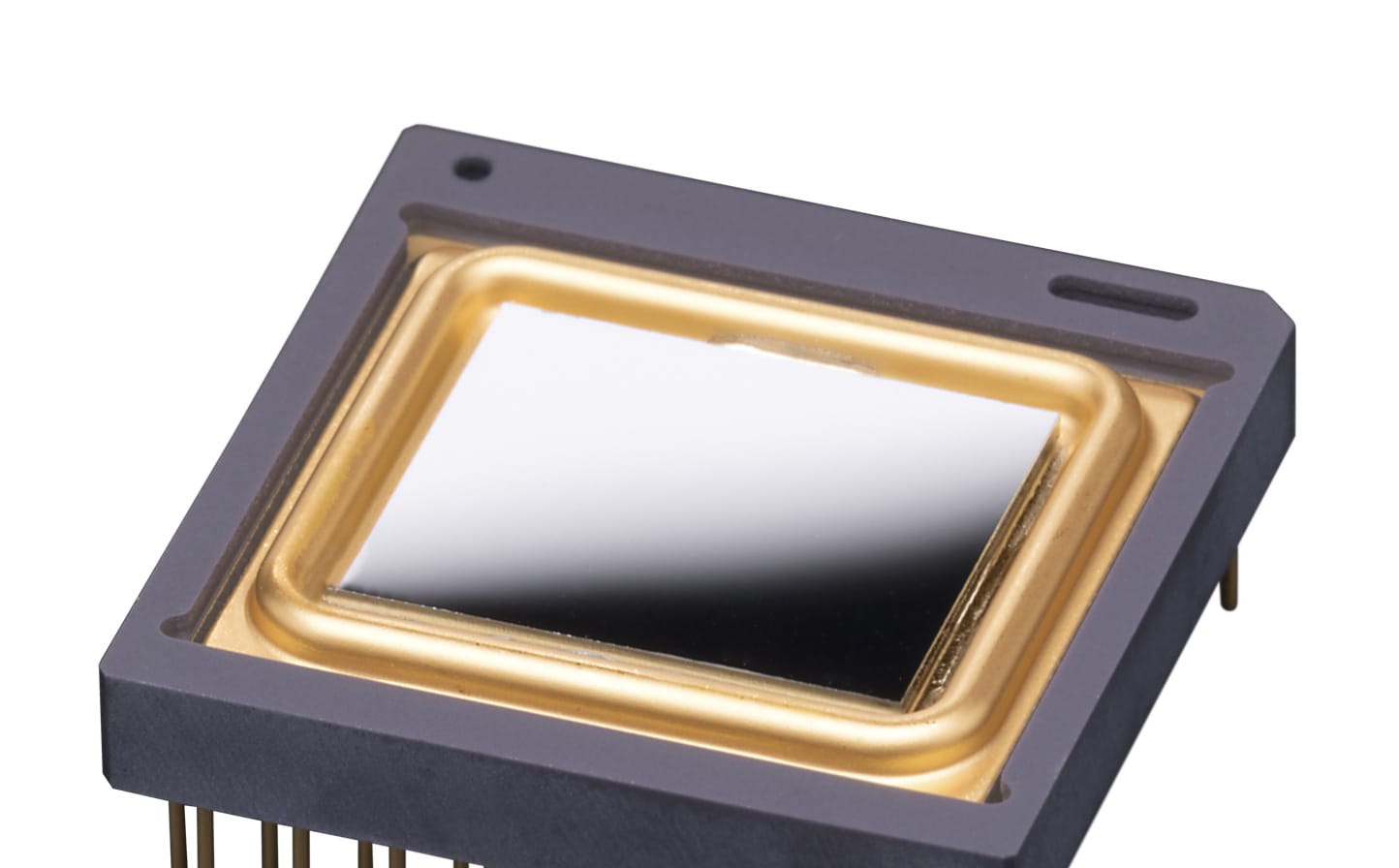
Vanadium oxide makes the detector responsive to heat. The manufacturer’s Boson family brochure identifies the 640-by-512 Boson+ detector as a VOx microbolometer array: many small sensing elements made with a vanadium-oxide material. Vanadium is on the U.S. 2025 critical-minerals list. Its role here is in the detector’s electrical response, where the compound helps convert incoming infrared energy into a signal.

The optics focus infrared radiation onto the array, warming individual microbolometers and changing their electrical resistance. A readout circuit senses those changes, which the camera digitizes and processes into an image. The Boson+ datasheet, page 18, describes this physical response to infrared energy, which does not require visible illumination of the scene.
This is an uncooled design. It avoids the cryocooler that a cooled infrared detector uses to suppress thermal noise, along with that cooler’s added mass, power consumption and mechanical burden. The compact result is visible in the dated Hadron specifications: the June 2025 module sheet lists a mass of 56 grams and typical power dissipation below 1,800 milliwatts. Those figures describe the camera module, not the complete aircraft or its present payload. They show the scale at which this sensing architecture can be packaged.
A clear image needs more than pixels
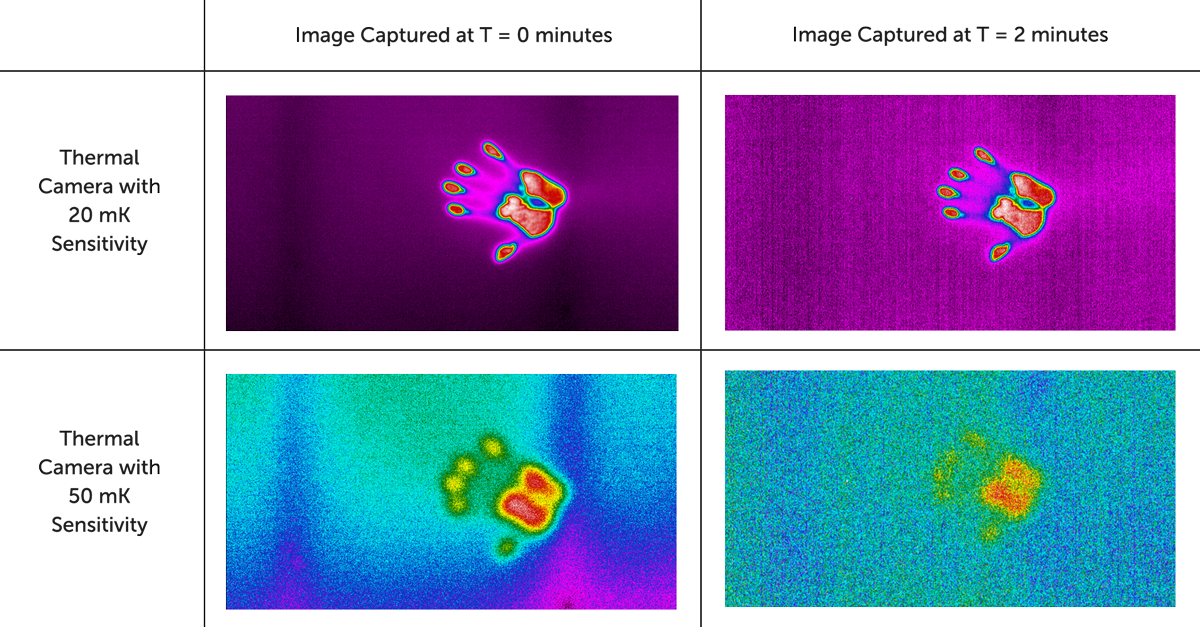
The same Hadron sheet lists the 640R+ thermal camera’s sensitivity below 20 millikelvin. Twenty millikelvin is a temperature difference of 0.02 degrees Celsius. The 640-by-512 specification describes the image’s pixel grid; sensitivity concerns how small a temperature difference the camera can distinguish. In a scene with weak thermal contrast, that distinction becomes useful: two areas can occupy plenty of pixels while differing only slightly in the infrared energy reaching the detector.
FLIR illustrates the point with a comparison of a handprint viewed by sensors with 20 mK and 50 mK sensitivity, immediately and two minutes later. It is a manufacturer demonstration, not a Black Widow flight test. After the hand is removed, its residual heat pattern fades; the comparison shows why that smaller thermal difference becomes harder to distinguish in the less sensitive image.
That small sensitivity number does not mean the camera measures an object’s absolute temperature to within 0.02 degrees. The Hadron 640R+ sheet gives temperature accuracy separately: ±5 degrees Celsius or less over a 0-to-100-degree range. Recognizing a small difference between parts of a scene and assigning an accurate temperature to an object are different jobs. A payload intended to display thermal contrasts and one intended to make temperature measurements therefore need different evidence from the same specification sheet.
Sensitivity also needs comparable test conditions. FLIR’s explanation of noise-equivalent temperature difference relates the measured signal to the camera’s noise and identifies optical aperture, integration time and measurement temperature as factors. For a payload comparison, a lower number is useful only alongside the conditions that produced it. A laboratory sensitivity specification alone cannot establish how a complete drone camera will perform in a particular flight or scene.
How to respond in a useful way
Vanadium oxide is one established route to uncooled sensing. Amorphous silicon is another, while cooled detectors can serve requirements beyond a particular uncooled camera’s capabilities. If the application needs greater sensitivity or a different response speed, the additional burden of cooling may be justified. Those alternatives prevent a claim that all thermal cameras require vanadium; they do not establish an interchangeable replacement for Black Widow’s documented camera.
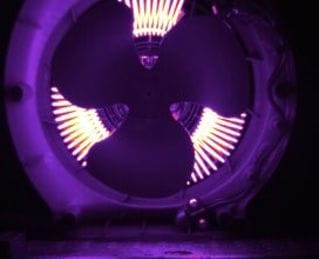
Material development can still change what an uncooled detector delivers. In a technical abstract from LYNRED, the company describes its historical use of amorphous silicon and subsequent improvements in thermal sensitivity and signal-to-noise performance through material and pixel-level development. It attributes those gains to hardware changes rather than more elaborate algorithms or readout functions. That is separate technology work, not a result from FLIR’s camera. It demonstrates why engineering the sensing material remains a meaningful development choice alongside image processing.
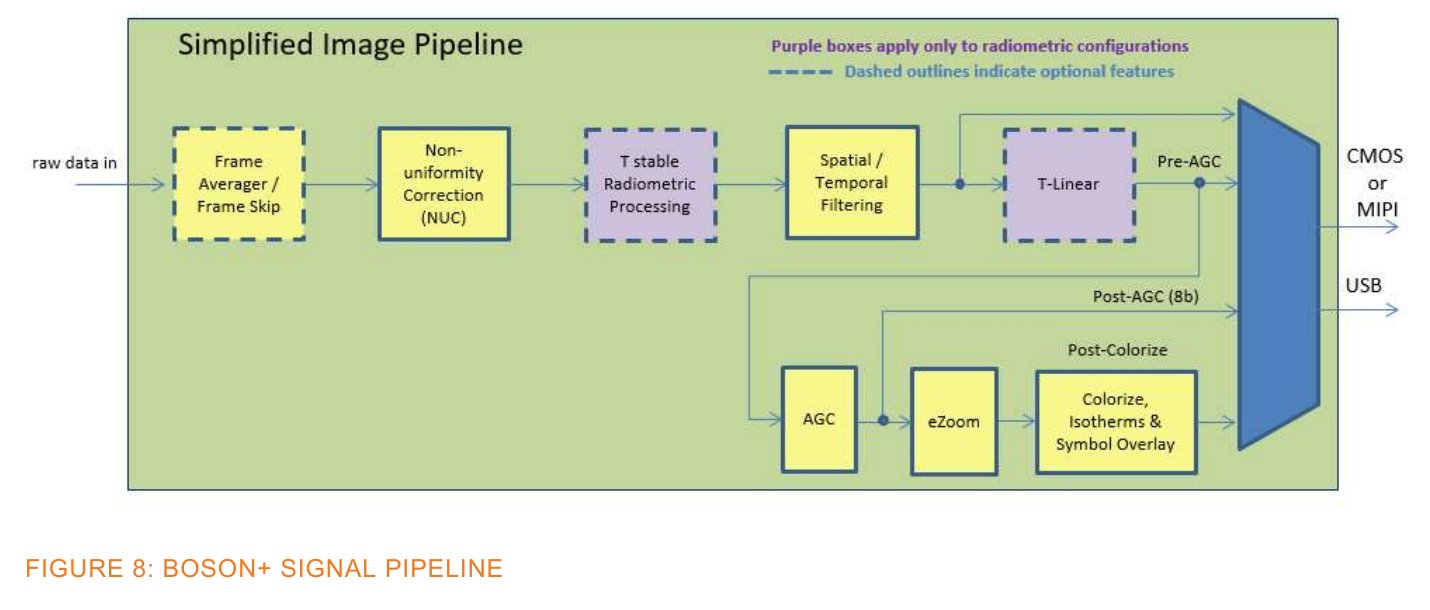
Boson+ uses factory-calibrated corrections for pixel differences and temperature effects so a uniform scene produces uniform output. The detector, optics, readout and corrections work together; the published sensitivity cannot be assigned to vanadium oxide alone.
Vanadium’s role in this design depends on the oxide becoming a detector with a consistent response. The material earns its place where infrared energy becomes an electrical signal. Preserving that response through the camera is what lets the scene’s small thermal differences emerge from the system’s own variation.