 Strategic Resource Intelligence

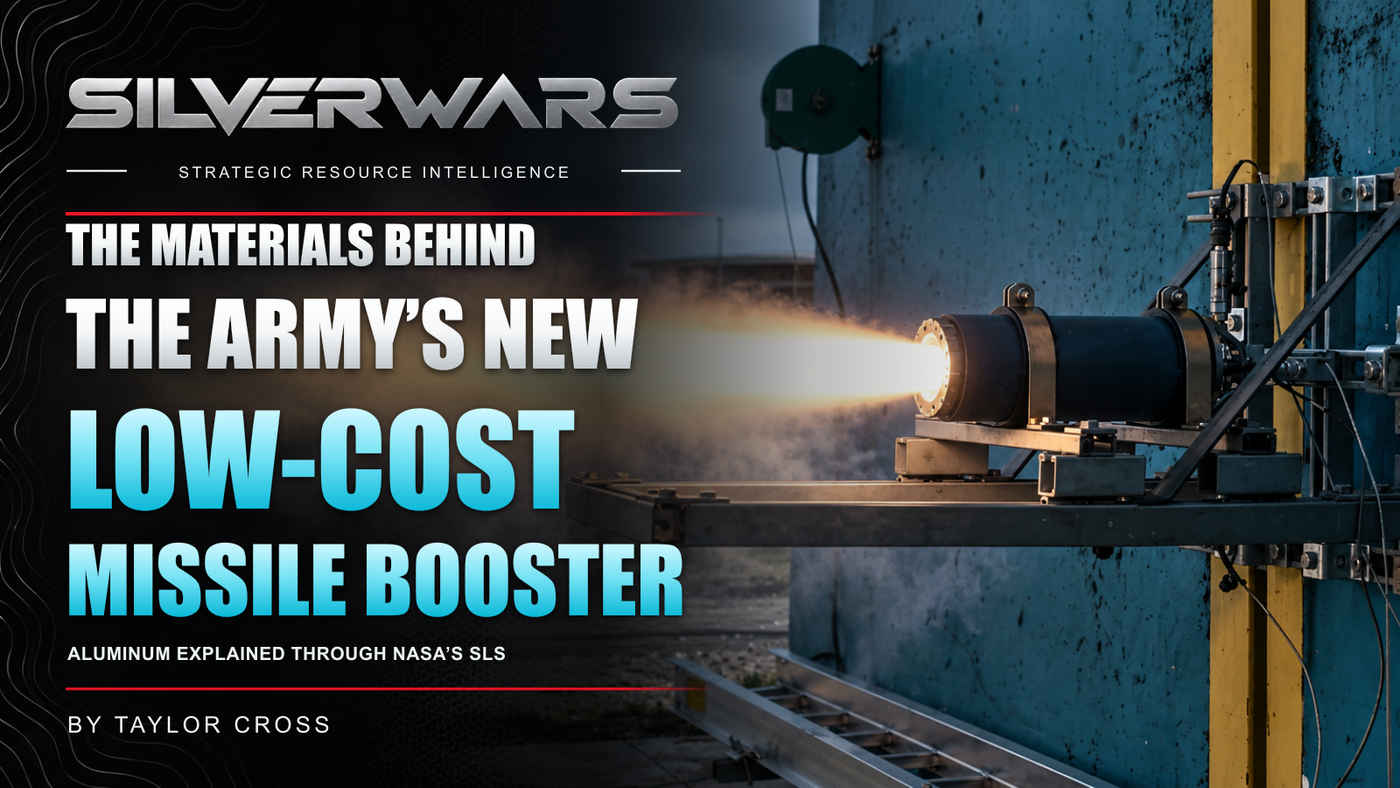
X-Bow announced that Leidos had selected it to develop and produce booster motors for the U.S. Army’s Low-Cost Containerized Munition. The company’s announcement places design, qualification testing and static fires ahead of planned full-rate production in 2027.
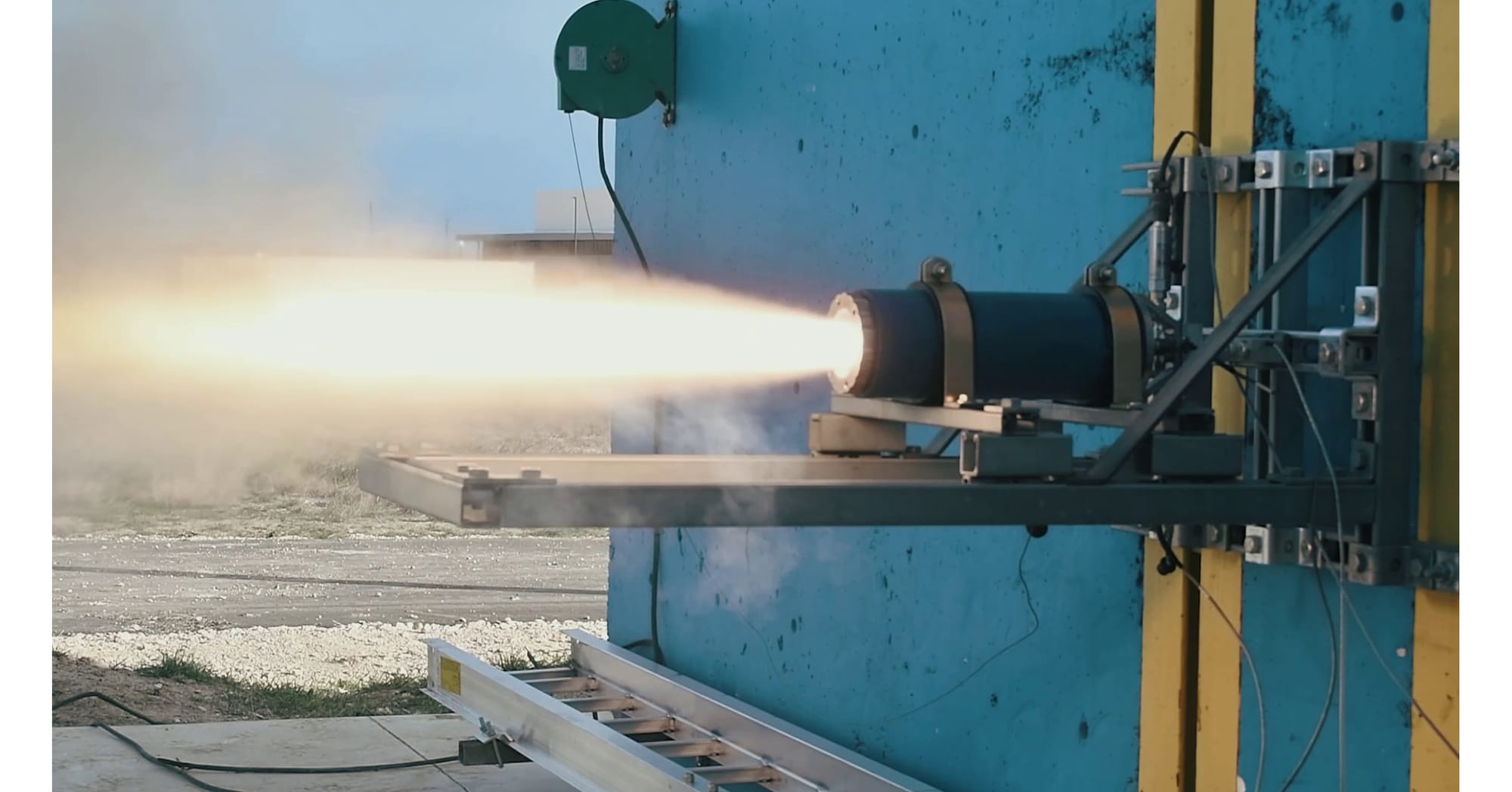
The supplier’s assignment is the booster. The wider program covers complete munitions: in May, Leidos announced a framework for an initial 3,000 LCCMs, with production expected to begin in 2027. That gives the new award a defined place in a larger manufacturing effort. It also keeps the scale clear: the 3,000 figure describes the announced munition framework, not completed booster deliveries.
A manufacturing process shapes the propellant; the material’s chemistry supplies the energy released when it burns. Those are different jobs inside the same propulsion story. X-Bow’s manufacturing work makes the first timely. Aluminum’s established use as a solid-rocket fuel makes the second worth understanding.
Where additive manufacturing fits
X-Bow describes both traditional solid rocket motors and additive-manufacturing capabilities. Its additive work includes solid propellants, which puts the manufacturing method inside the motor’s energy-bearing material. This is a more specific industrial proposition than simply printing a metal part for an engine.
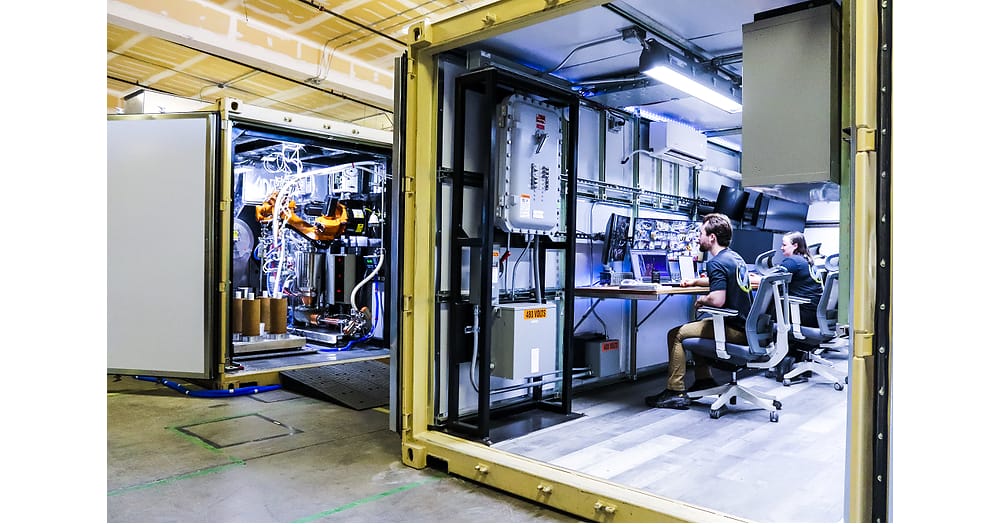
The company reported a manufacturing milestone on May 27. Working with the Air Force Research Laboratory’s RE-ARM effort, it said it had completed energetic operations across two systems: a deployable, containerized manufacturing center called Rocket Factory in a Box, and a fixed industrial-scale system called Gen-0. The release identifies additive manufacturing of solid propellants as their common foundation. The two formats approach the manufacturing footprint differently while serving the same broad product category.
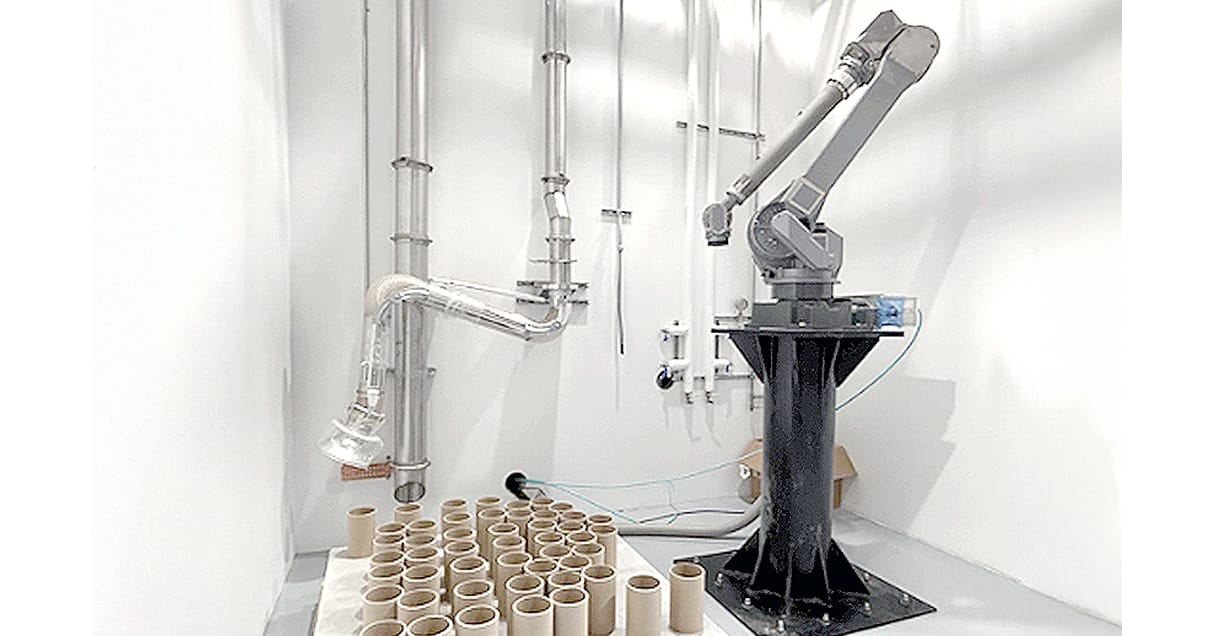
That work explains the interest in X-Bow as a producer. Its October announcement, however, identifies neither the manufacturing route nor the propellant composition selected for LCCM. The additive capability is established company context; assigning it to this particular booster would go beyond the award’s stated scope.
Aluminum has an energy job
Aluminum is included on the U.S. Geological Survey’s final 2025 critical-minerals list. Its role in solid propulsion can be explained through a separate, identified example: NASA’s Space Launch System boosters. This is an application example, not the Army booster’s disclosed material recipe.

In NASA’s account of the SLS booster, aluminum serves as a fuel in the solid propellant. A development paper identifies its form as aluminum powder. The propellant carries fuel and an oxidizer, which supplies oxygen for combustion. Their reaction releases chemical energy, producing hot, pressurized gases that expand through the nozzle to generate thrust. The metal’s job here is to contribute energy to propulsion; the casing and other hardware have separate structural jobs.
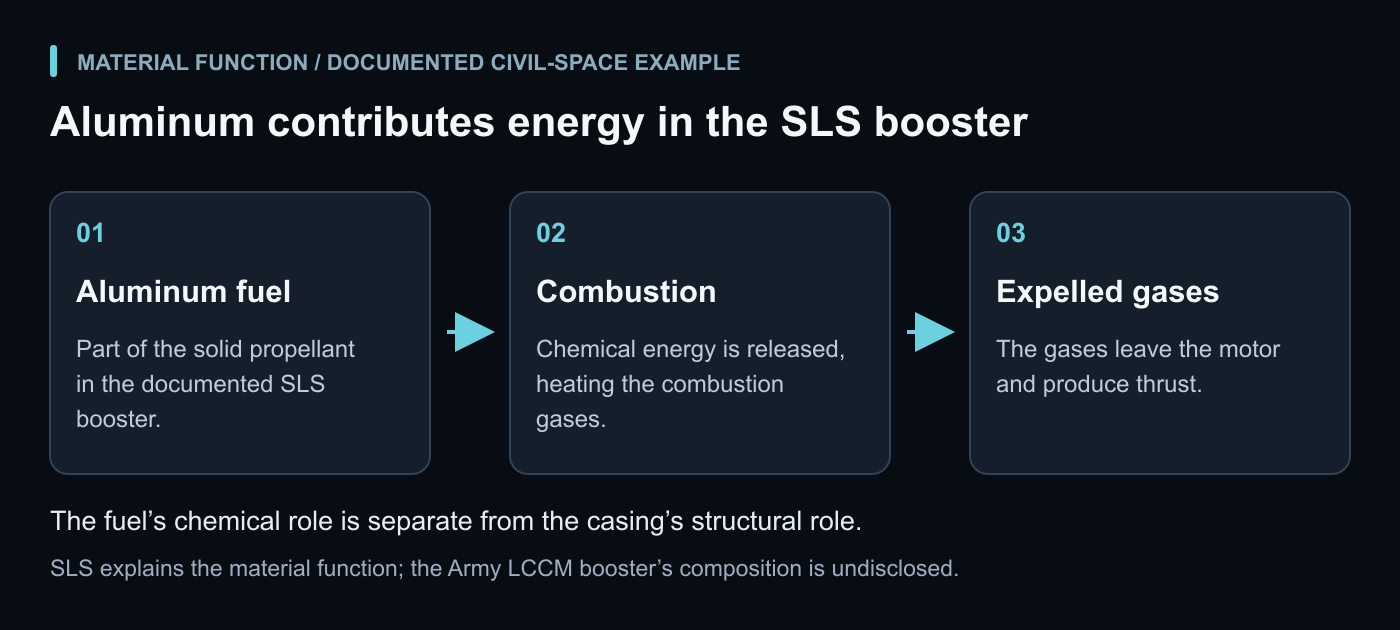
The surrounding hardware has different work to do. The same account describes a case that contains combustion pressure and transmits thrust, and insulation that protects hardware from the heat. Fuel, pressure containment and thermal protection belong to one motor, but they are distinct material functions. Naming a metal without identifying its job would miss the reason it is there.
What the production announcement changes
The LCCM selection gives X-Bow a defined development and production assignment. Its earlier manufacturing announcement describes work on the means of making solid propellants. Read together, they show a company advancing both a manufacturing capability and a new program commitment. They do not yet provide a measured LCCM unit cost or a demonstrated saving from additive production.
The distinction matters after launch, too. SLS boosters are designed for a single flight, and their propellant is consumed doing the work of propulsion. Another flight needs another propellant load. Aluminum’s fuel role therefore creates a recurring material need in that documented program, even though it tells us nothing about the undisclosed Army formulation. A critical mineral can matter because of what it does during operation, well beyond the metal parts visible in a factory photograph.