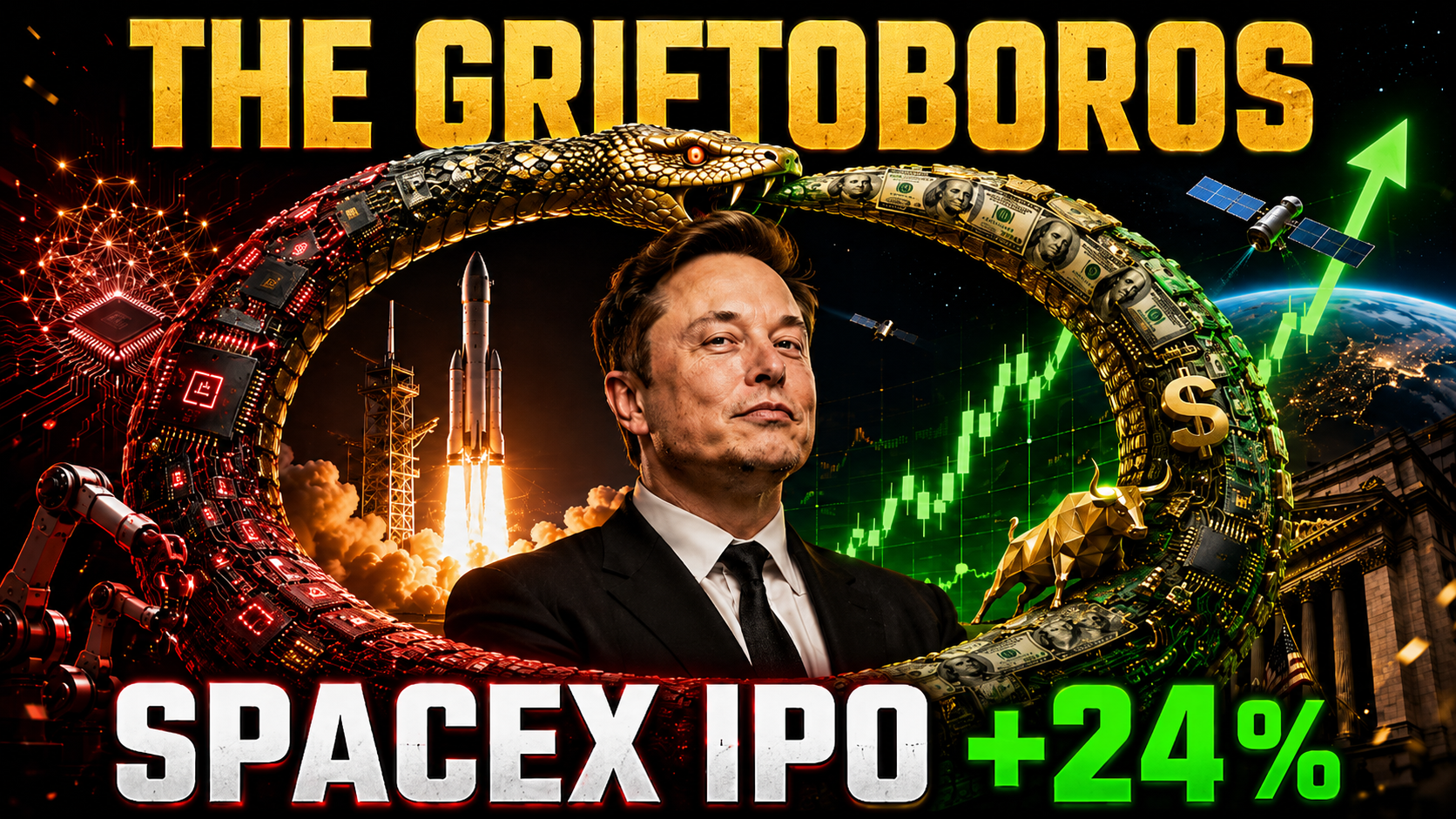

SpaceX opened at $150 on Friday after pricing its IPO at $135, then quickly traded above $160, pushing the company past a $2.1 trillion market value.
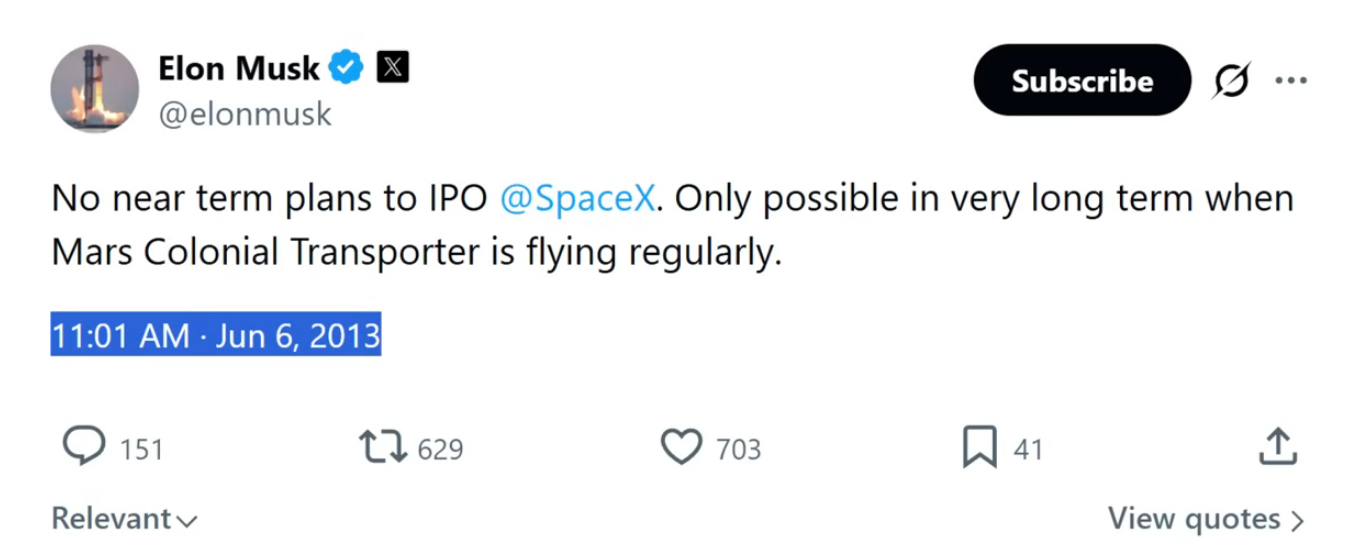
That is the biggest IPO ever doing exactly what the hype machine needed it to do.
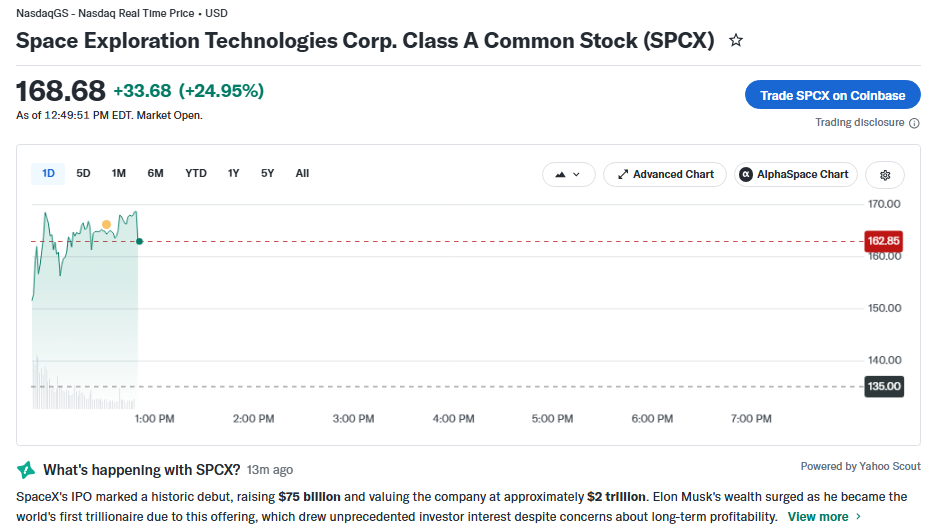
The public-market debut raised about $75 billion and instantly turned SpaceX into one of the most valuable companies on Earth. Elon Musk rang the bell. Gwynne Shotwell did the polished executive tour. Bankers collected massive fees. Retail investors piled in. Space stocks around it sold off like side characters realizing the main character had entered the room.
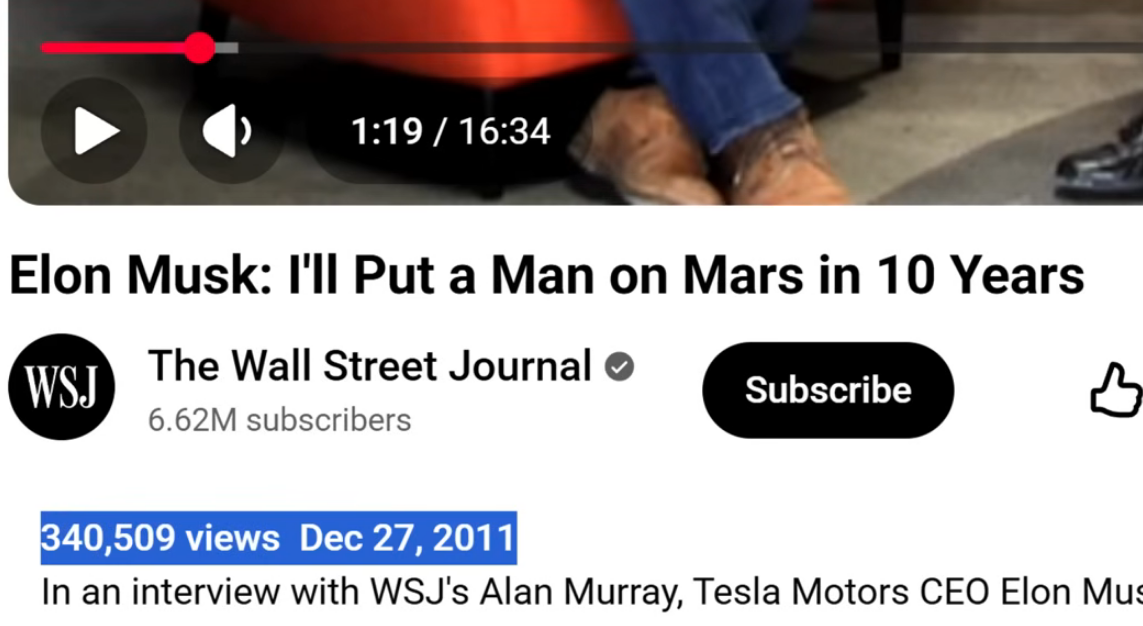
And this is where the Griftoboros finally closes its mouth around its own tail.
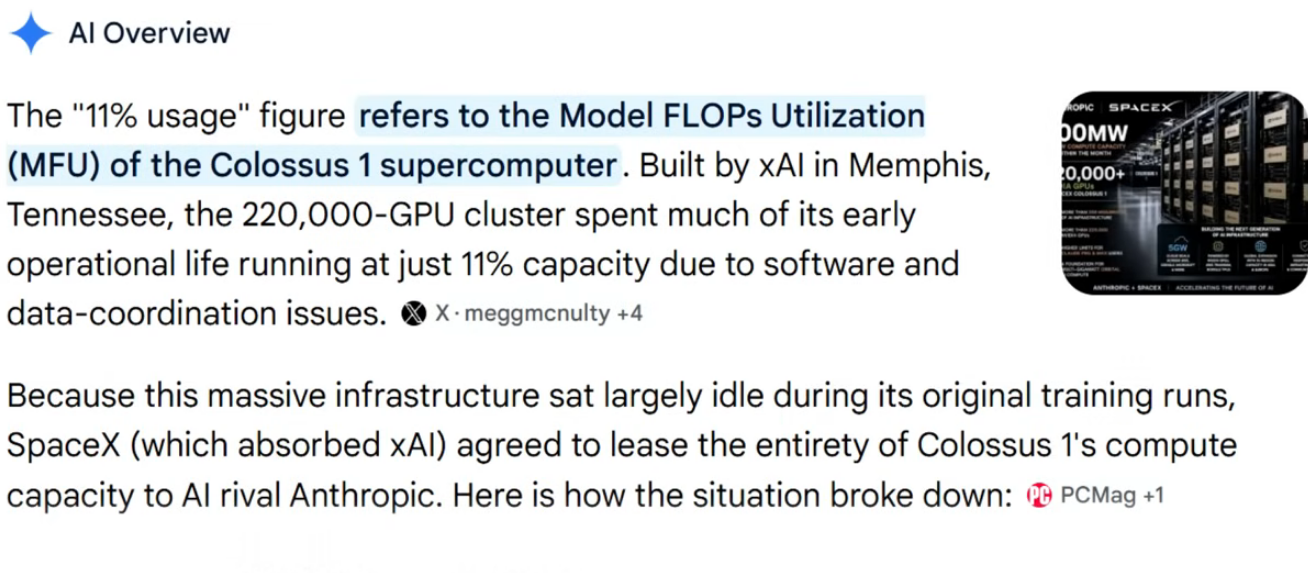
SpaceX is no longer just rockets. It is Starlink, xAI, X, Grok, AI data centers, satellites, Mars, defense contracts, future communications networks, maybe space-based compute, maybe asteroid mining, maybe a future Tesla combination, maybe whatever the next earnings-call fever dream requires.
That is the machine now.
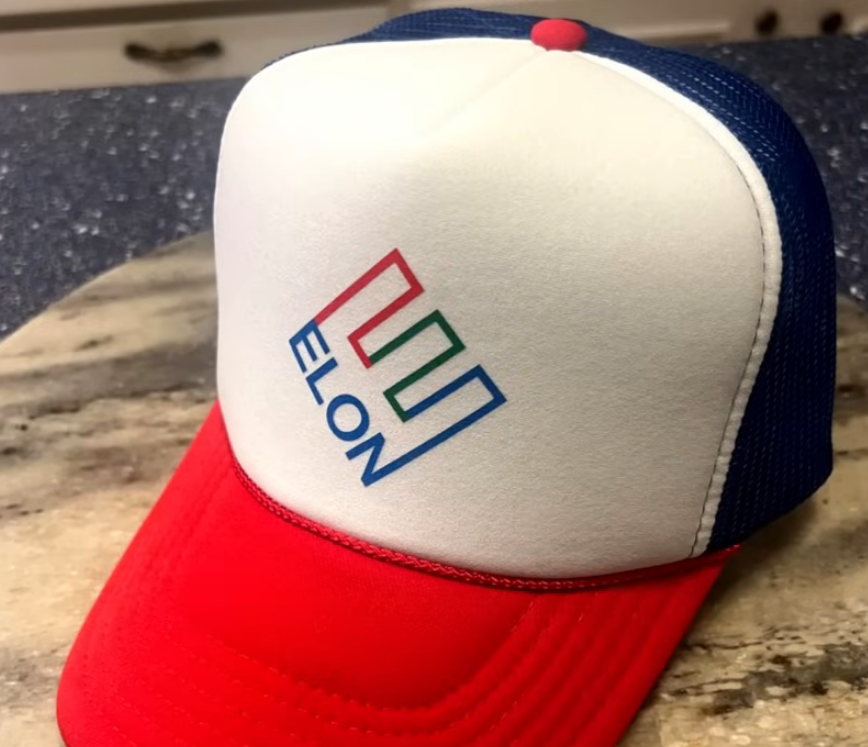
When one promise gets old, Musk wraps it inside a bigger promise and sells the bundle.
The actual SpaceX story is impressive. Reusable rockets are real. Starlink is real. The company has done things the old aerospace blob could not do at the same speed. Nobody needs to pretend SpaceX is fake to notice the valuation is doing Olympic gymnastics.
The problem is the price and the structure.
SpaceX is being valued like a rocket company, satellite monopoly, AI platform, defense contractor, telecom giant and civilization-saving Mars vehicle all at once. That is convenient because every weakness can be answered with a different story.
Ask about rocket costs, and the answer is Starlink.
Ask about Starlink competition, and the answer is AI.
Ask about AI losses, and the answer is space data centers.
Ask about data center capital spending, and the answer is national destiny.
Ask about valuation, and the answer is Elon.
That is not analysis. That is a religion with a stock chart.
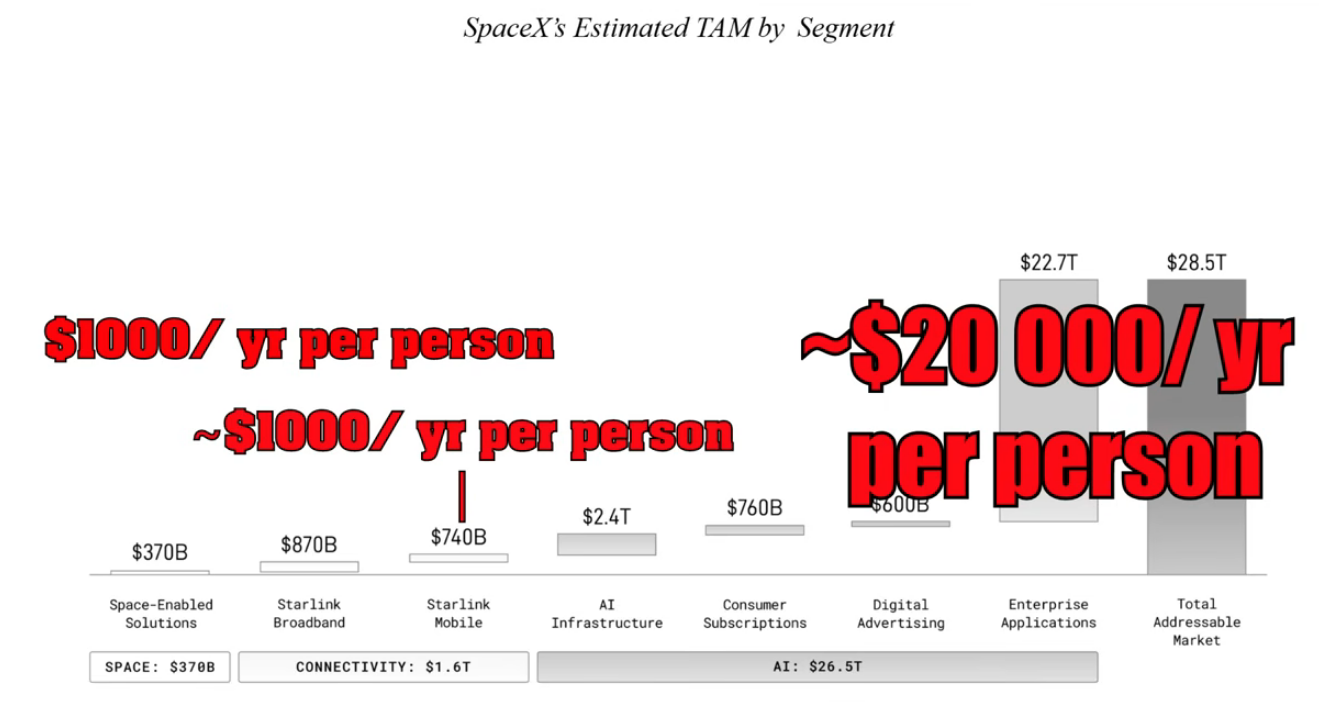
The live IPO coverage made the absurdity obvious. Supporters compared SpaceX to Amazon and Nvidia. Investors said they would hold forever. Nasdaq officials bragged about retail demand. One valuation expert called the company’s $28.5 trillion total addressable market a “hallucination,” which is probably the most polite possible way to say the banker deck started sweating ketamine.
The retail angle matters. Reports said roughly $15 billion of the raise came from retail investors, an unusually large amount for an IPO of this size. That is the Tesla playbook again. Turn public enthusiasm into financial plumbing. Make the fan base part of the capital stack. Convert belief into liquidity.
Meanwhile, broader tech names were already under pressure before the deal, with funds reportedly selling major tech stocks ahead of the IPO. That is what happens when the market has to make room for a monster. Money does not appear from the sky. It gets pulled from somewhere else.
And now SpaceX becomes the new center of gravity.
Tesla fell as attention shifted. Space stocks got hammered. Alphabet’s stake exploded in value. Musk’s personal fortune surged toward science-fiction levels. Every adjacent asset started orbiting the same giant valuation.
That is the Griftoboros.
Tesla provides the retail army. SpaceX provides the myth. xAI provides the AI label. X provides the data story. Grok provides the chatbot wrapper. Starlink provides the cash-flow anchor. Mars provides the movie poster. The public market provides the exit ramp.
The defense is obvious. SpaceX is special. Musk has proven skeptics wrong. The company has real technology, real launch dominance, real government contracts, real satellite customers and real global reach.
Fine.
But real companies can still become bubble vehicles. The internet was real in 1999. Railroads were real in the 1800s. Housing was real in 2006. The existence of the thing does not justify every price attached to it.
That is the lesson people keep refusing to learn because this time the rocket lands upright.
The risk is not that SpaceX vanishes tomorrow. The risk is that investors just paid for a perfect future where rockets scale, Starlink dominates, xAI catches up, Grok avoids reputational landmines, regulators stay friendly, Tesla somehow fits into the empire, space data centers become a real business, and everyone holding the IPO gets Amazon-style patience from the market.
That is a lot of “next year” stacked on top of one another.
Musk may have built the perfect financial machine. Not the rocket. Not the robotaxi. Not the chatbot.
The machine that turns yesterday’s missed promise into tomorrow’s larger valuation.
The product is not Mars.
The product is next year.
And on Friday, Wall Street bought it at a 20% markup.
 World Economic News Paper
 SilverWars