 Strategic Resource Intelligence
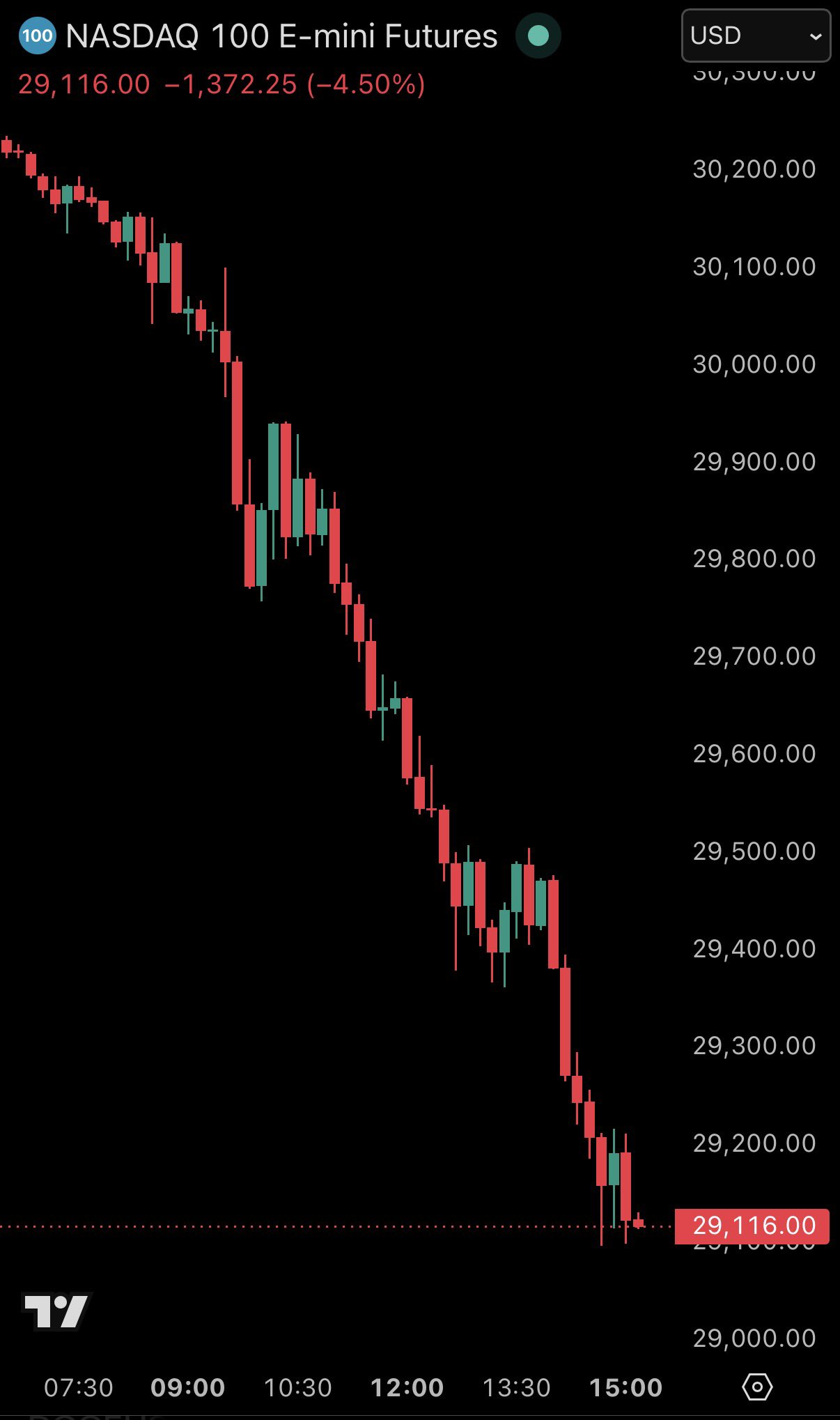
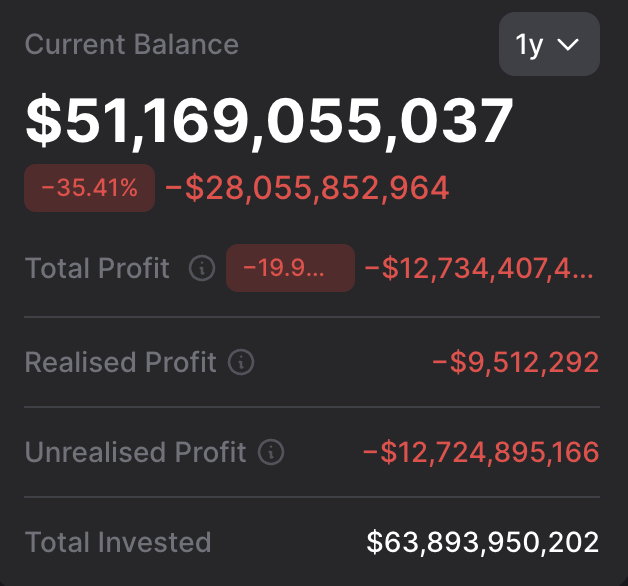
Literally one bad day in the market was all it took to start crying for taxpayer bailouts for AI companies haha.
 Ashley Capoot and Kate Rooney
 Sarah Min
 •
•
 Jeremy Hsu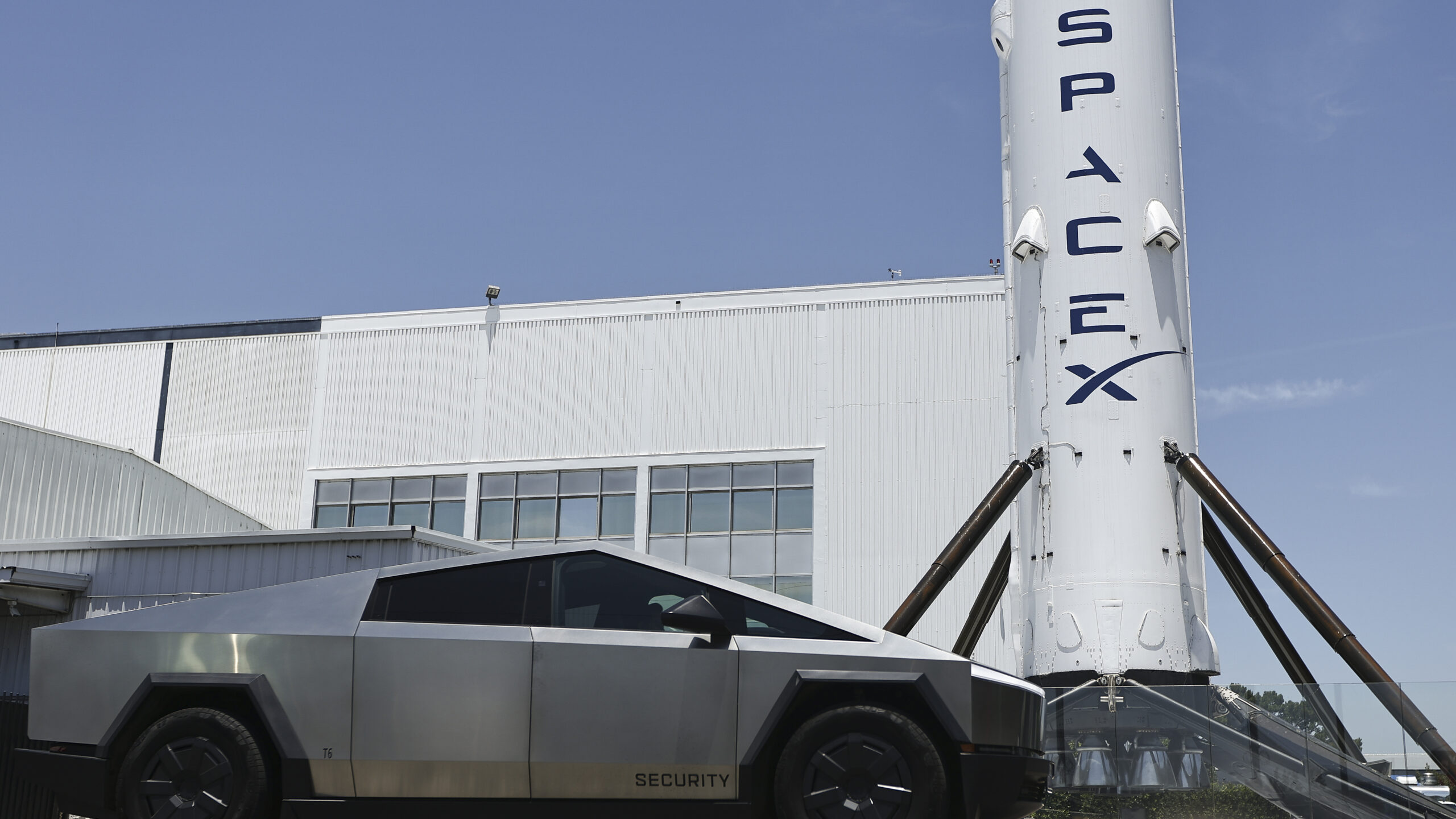
 SilverWars

 Ashley Belanger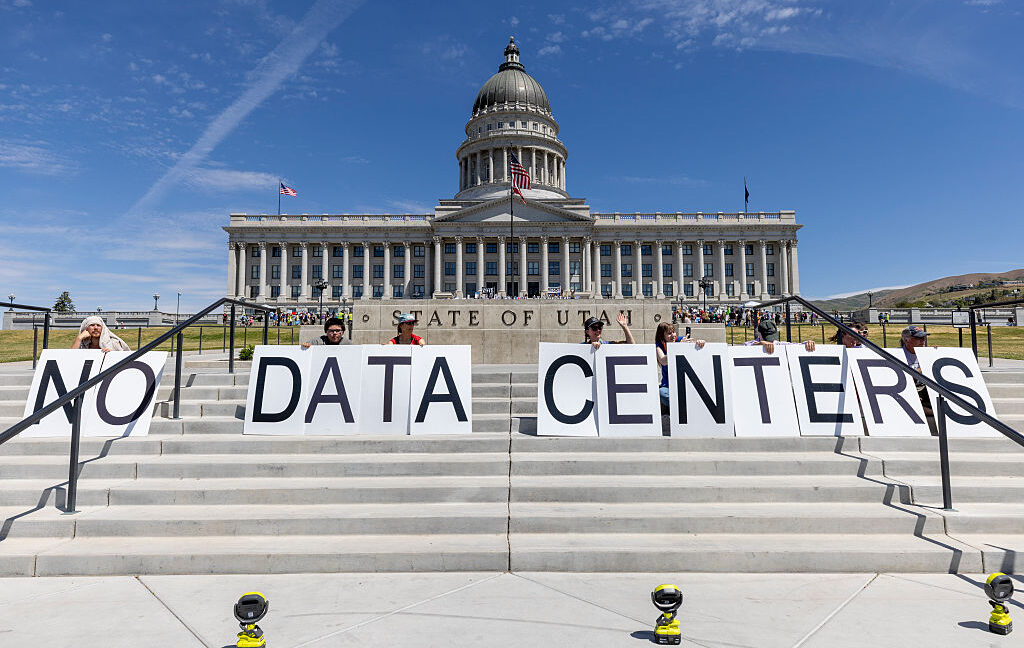
 Brenda Mary
(Spoiler Alert) I'll ruin the story now, they gonna bailout AI companies with taxpayer money. So, funding the companies taking all our jobs. Awesome.
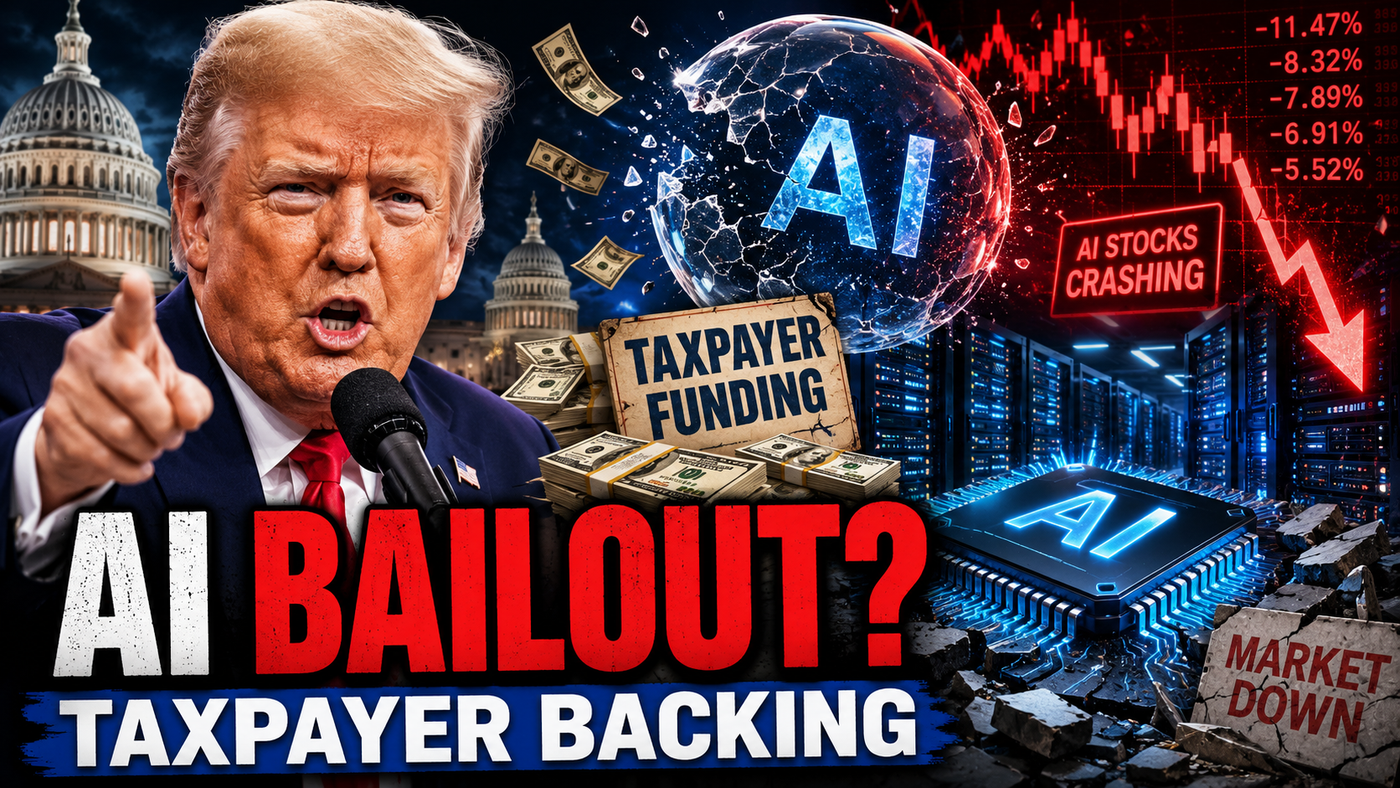
The AI trade had one ugly market break and Washington immediately started talking like a venture capital fund with taxpayer backing.
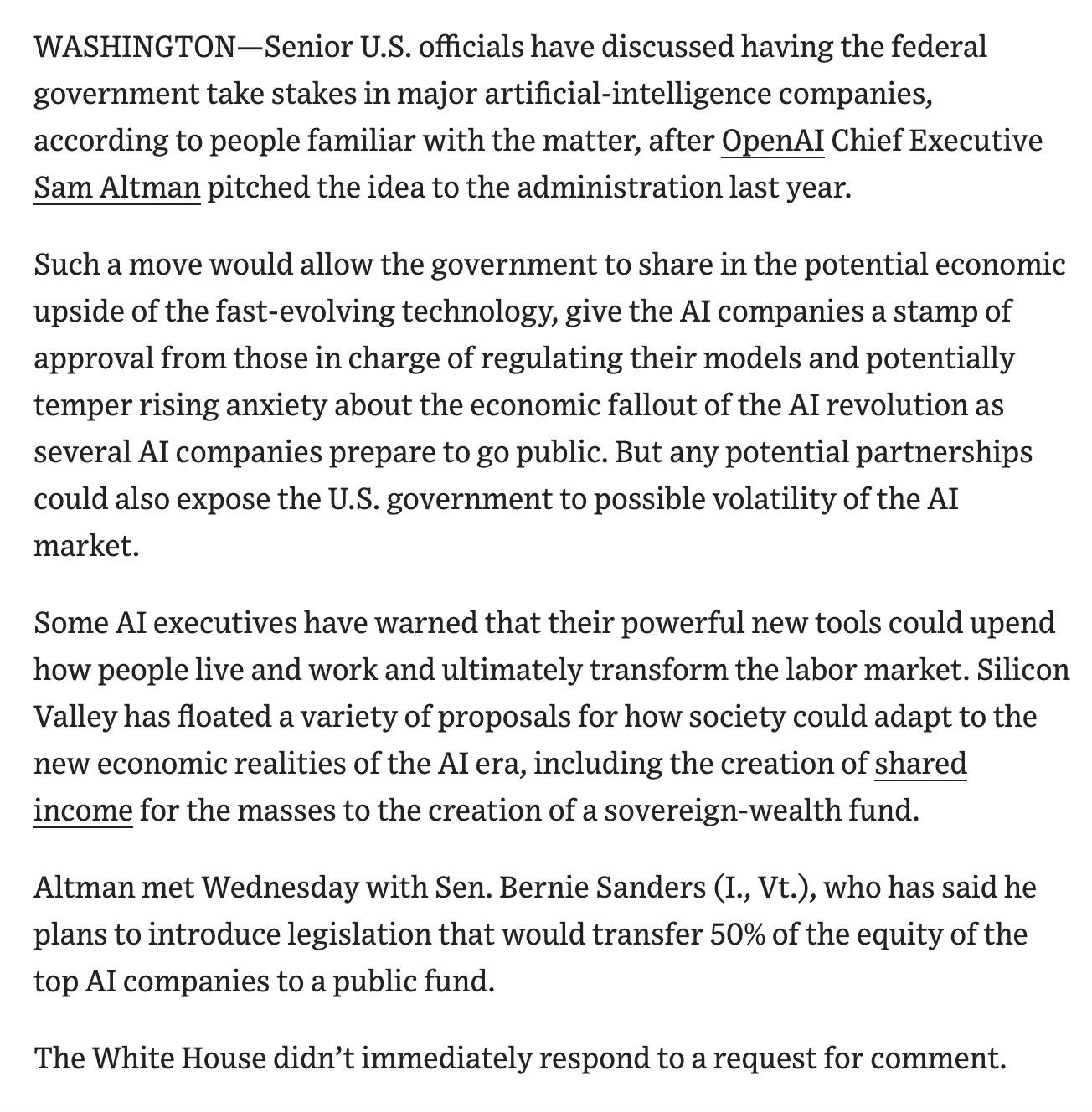
President Donald Trump said his administration will “look into” the U.S. taking stakes in major AI companies, describing a possible setup where the American public becomes a kind of partner in the AI boom. Reuters reported that officials have already had early discussions with major AI firms about the government buying shares, with Trump planning to meet AI executives as early as next week.
That is not officially a bailout. Not yet. It will be though.
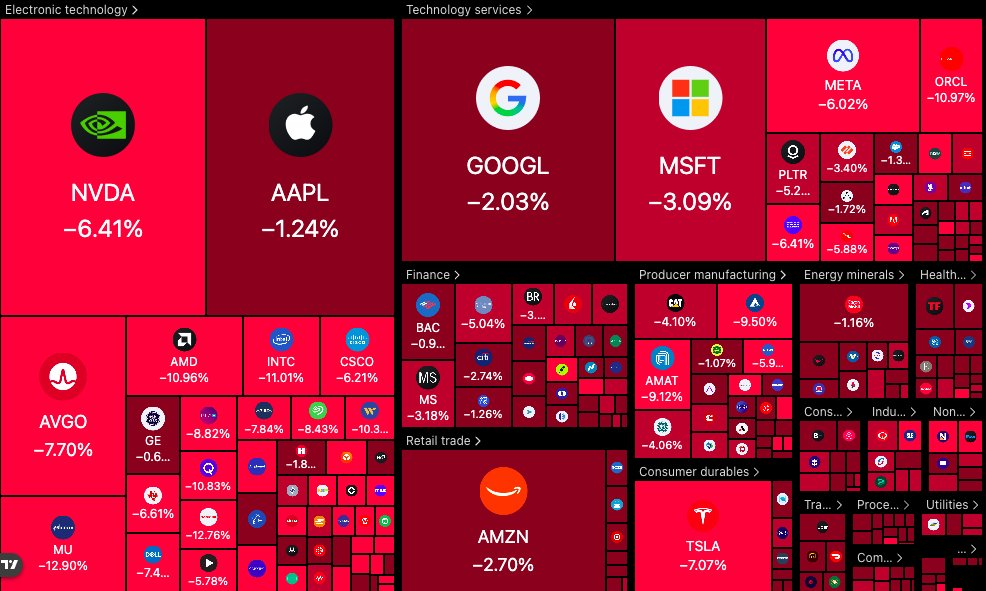
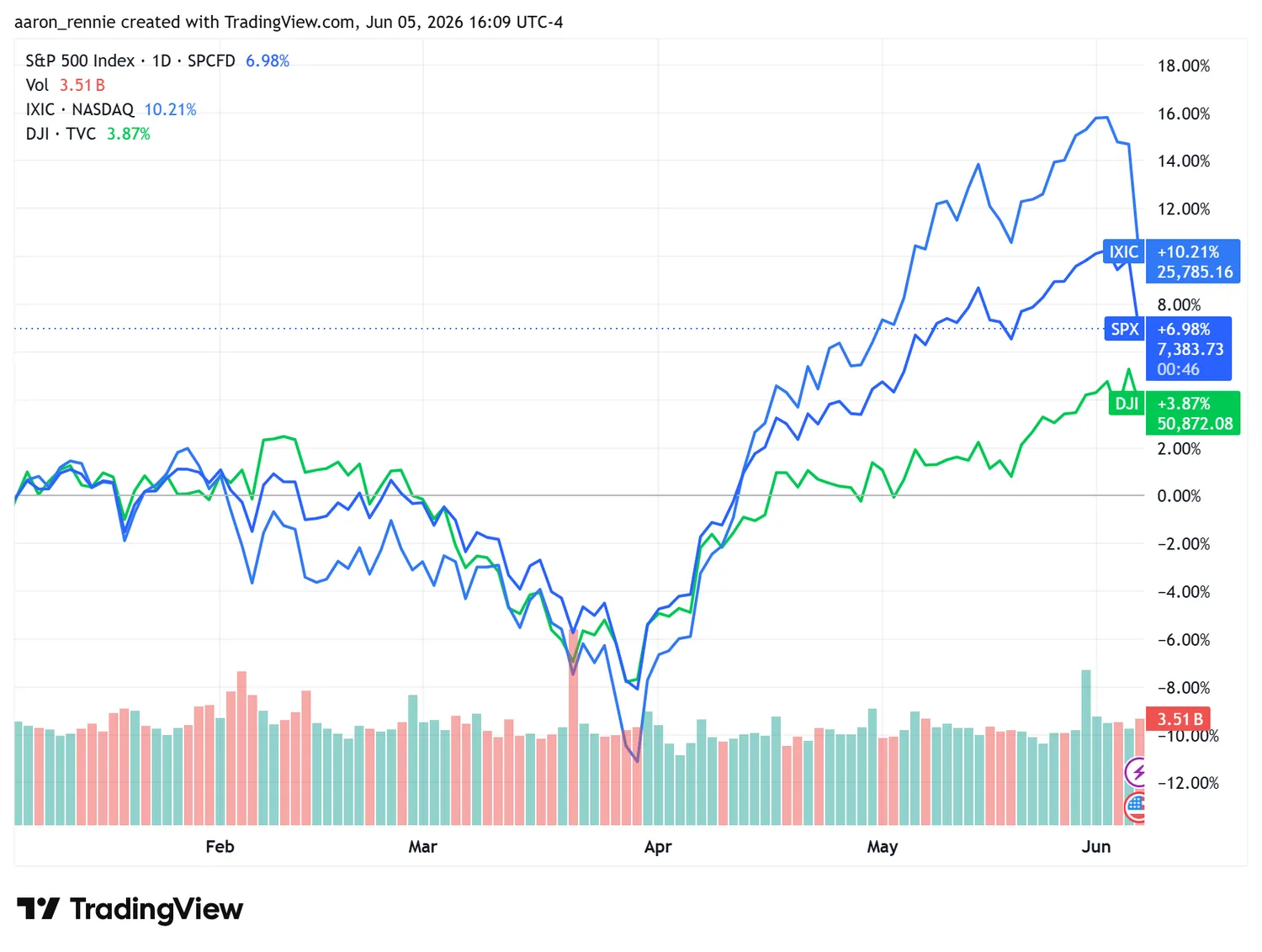
The Nasdaq just had one of its worst stretches in more than a year, chip stocks got smoked, and the AI trade suddenly looks less like unstoppable destiny and more like a crowded theater with one working exit. Then, right on cue, the government floats equity stakes in the exact sector Wall Street has been treating like the new electricity, the new internet, and the new religion all at once.
The pitch will be obvious. America has to beat China. AI is too important to lose. If these companies win, the public should share in the upside. Maybe there are dividends. Maybe there is some “partnership” language. Maybe everyone gets an AI check, right after the DOGE check, the tariff check, and whatever other fake rebate politics promised people last cycle.
The problem is simpler. If the AI boom is so strong, why does it need the government to buy the dip?
This is happening while the private AI machine is trying to pull in absurd amounts of capital. SpaceX, OpenAI, and Anthropic have been discussed as potential mega-listings that could force huge fund flows. S&P Dow Jones Indices just decided not to fast-track massive IPOs like SpaceX into the S&P 500, keeping its existing rules that require at least 12 months of public trading and profitability standards.
That matters because fast index entry means passive money. Pension funds, ETFs, retirement accounts, automatic buying. The dream was simple: get the giant AI-adjacent names public, jam them into indexes faster, and let the machine buy.
S&P said no, at least for now.
So the story gets uglier. The AI buildout needs oceans of cash. Data centers are expensive. Chips are expensive. Power is expensive. Debt is expensive. The companies need investors to believe the revenue curve goes vertical forever. But markets are starting to ask annoying adult questions, like whether the returns justify the spending.
That is why the Trump stake idea lands so badly. It sounds less like the public “sharing in the upside” and more like the public being invited in right when the private money wants help carrying the bag.
To be fair, governments do take stakes in strategic industries. The Trump administration has already used equity-style deals in sectors tied to national security, including chips, quantum computing, and rare earths. Reuters also noted the administration’s recent AI order asking leading developers to submit powerful models for government cybersecurity testing before release.
Fine. There is a national security argument here.
But that does not erase the market smell.
If AI companies want public backing because they are building national infrastructure, then say that. Regulate them like infrastructure. Audit the money. Cap the sweetheart deals. Show the public the risk, not just the sci-fi upside.
What cannot happen is the usual scam: private valuations on the way up, public rescue on the way down.
That is the whole fear. The billionaires get the bubble. The taxpayer gets the “partnership.”
And somehow, we are supposed to clap because they called it AI.