 Strategic Resource Intelligence

PAID PROMOTION | Disseminated on behalf of Gunnison Copper Corp. Gunnison Copper Corp. has paid SilverWars LLC total cash compensation of US$[90,000] under a [August 2026-August 2027] investor-relations agreement that includes creating and distributing this post. SilverWars receives no securities compensation and does not hold or trade Gunnison securities. [Full compensation details].
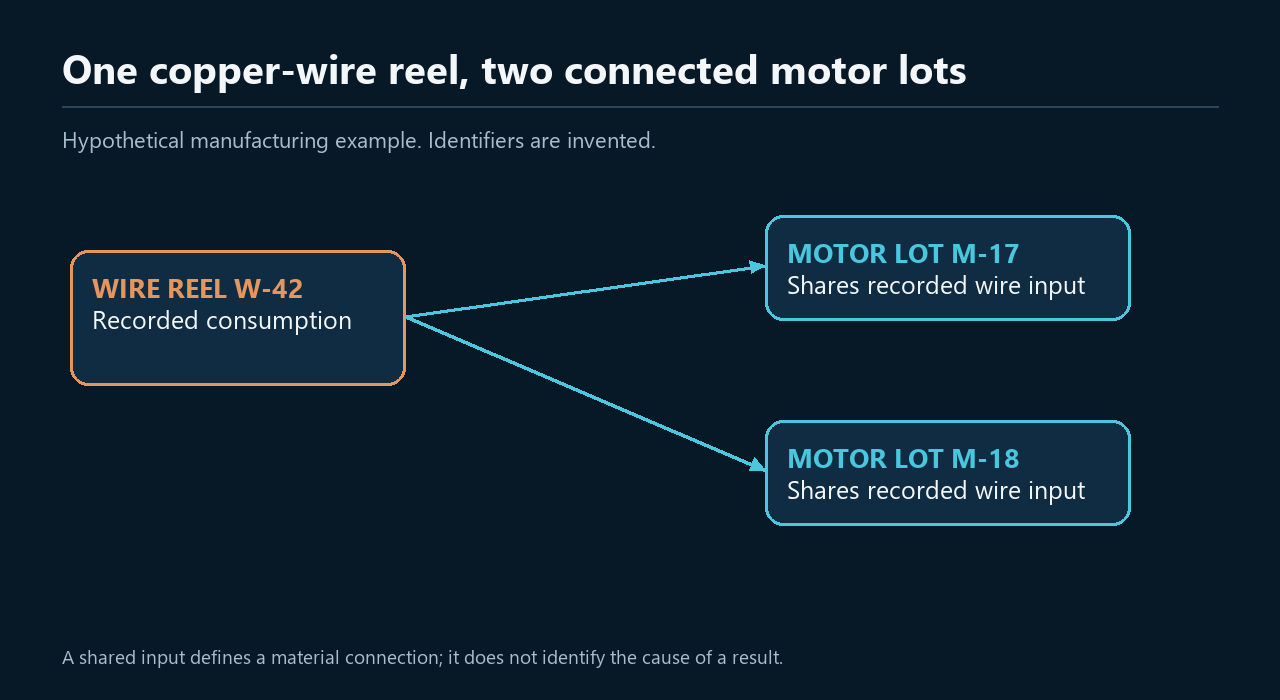
Imagine a wire supplier asking a drone motor manufacturer which builds consumed reel W-42. In this invented example, the completed production record connects W-42 to motor lots M-17 and M-18; M-19 used another reel. The engineer can begin comparing the first two lots for a shared material question instead of treating all three as equally exposed to W-42. That narrower starting population matters because copper carries the motor’s working current and contributes to its heat. Measurements may still point to a process shared by all three. Material history identifies where to start; the winding’s electrical behavior determines where the inquiry goes next.
What the winding has to do
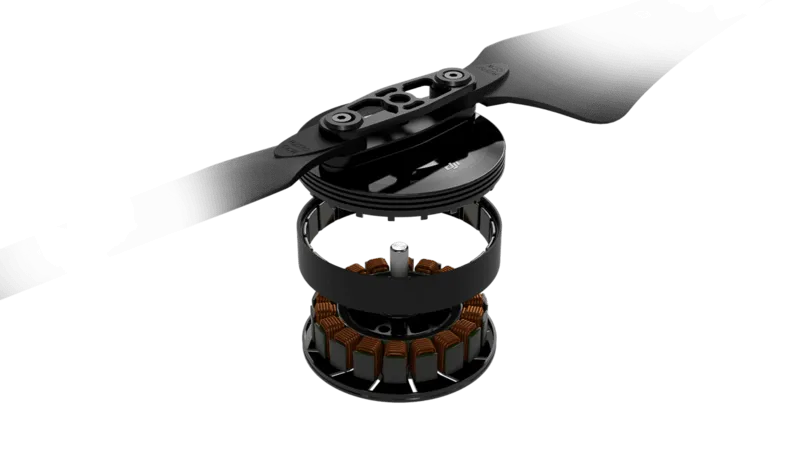
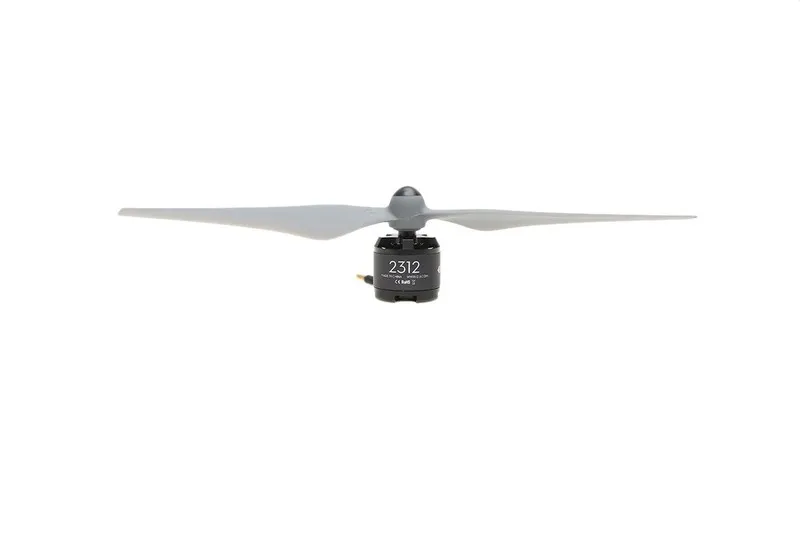
In the brushless motor design described by DJI, current passes through coils around the stationary stator. The resulting magnetic field interacts with permanent magnets on the rotor, producing the rotation delivered to the propeller. Copper is the conductor within those insulated coils. Its high conductivity helps limit electrical losses in the space available for the winding. The United States includes copper on its 2025 critical-minerals list, but the engineering dependency comes from this physical job. The designation alone says nothing about the wire in an unidentified drone.
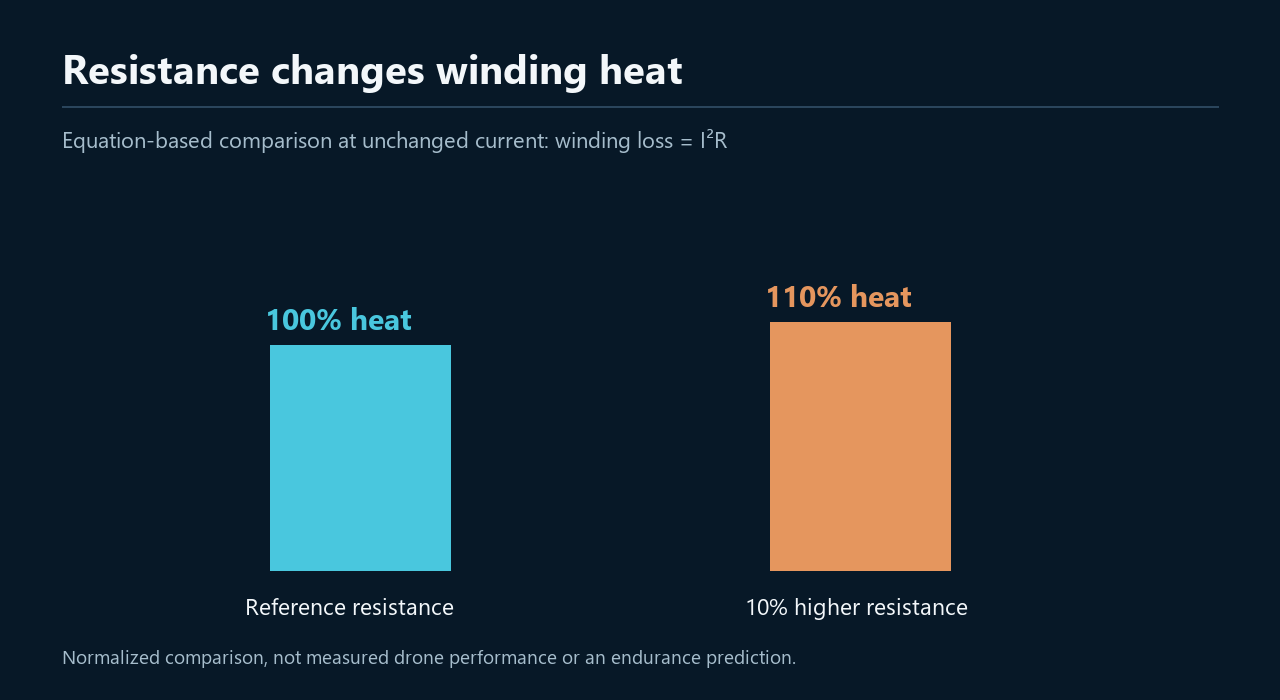
Resistance makes that job thermally consequential. Winding heat follows I²R: at unchanged current, 10 percent more resistance produces 10 percent more resistive heat. That is an equation-based comparison, not a flight-endurance estimate. A real motor also has its own winding arrangement, operating conditions and cooling. The specified conductor has to perform within those conditions. Treating copper only as a weight in the bill of materials misses the electrical condition the finished winding must meet.
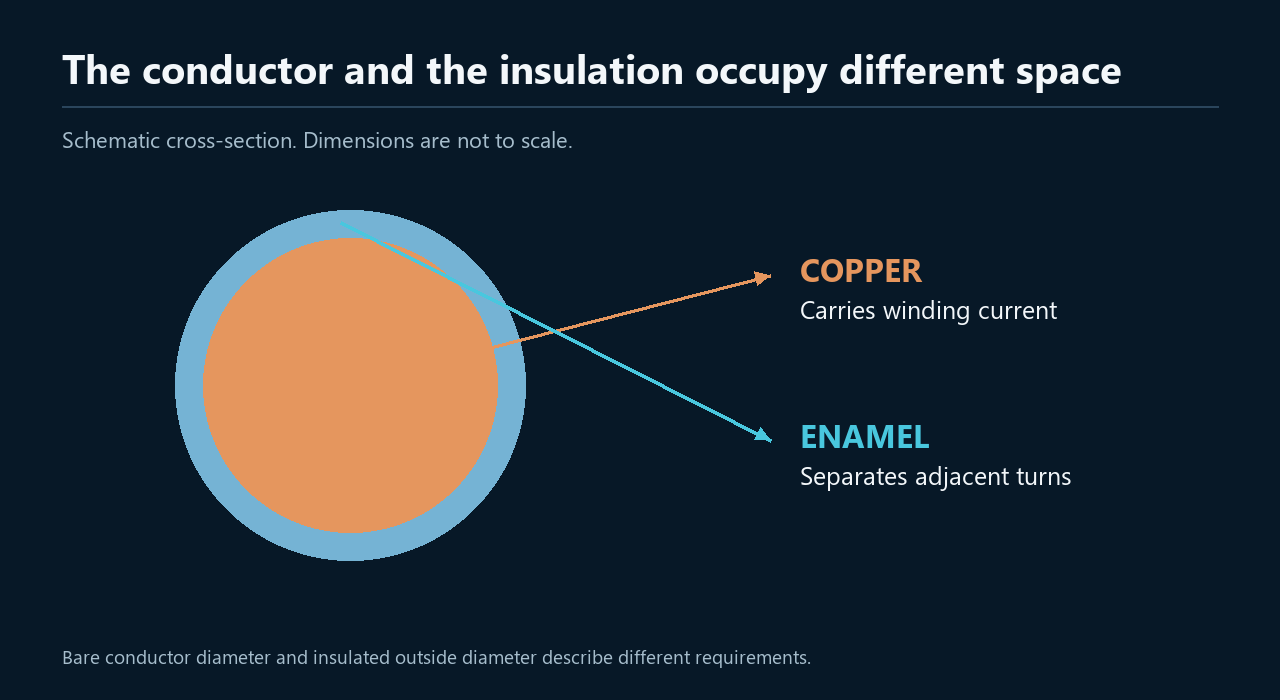
The conductor and its insulation also occupy different space. Elektrisola's winding-wire data distinguishes bare copper diameter, finished outside diameter for different enamel builds, and electrical resistance. Those are separate characteristics of the wire being ordered. In the motor, the conductor carries current while the enamel separates adjacent turns. The distinction matters when a material inquiry arrives: the relevant evidence may concern conductor dimensions, insulation or both. A record saying only “copper wire” leaves the engineer short of the product specification needed to interpret it.
From a permitted wire to an actual build
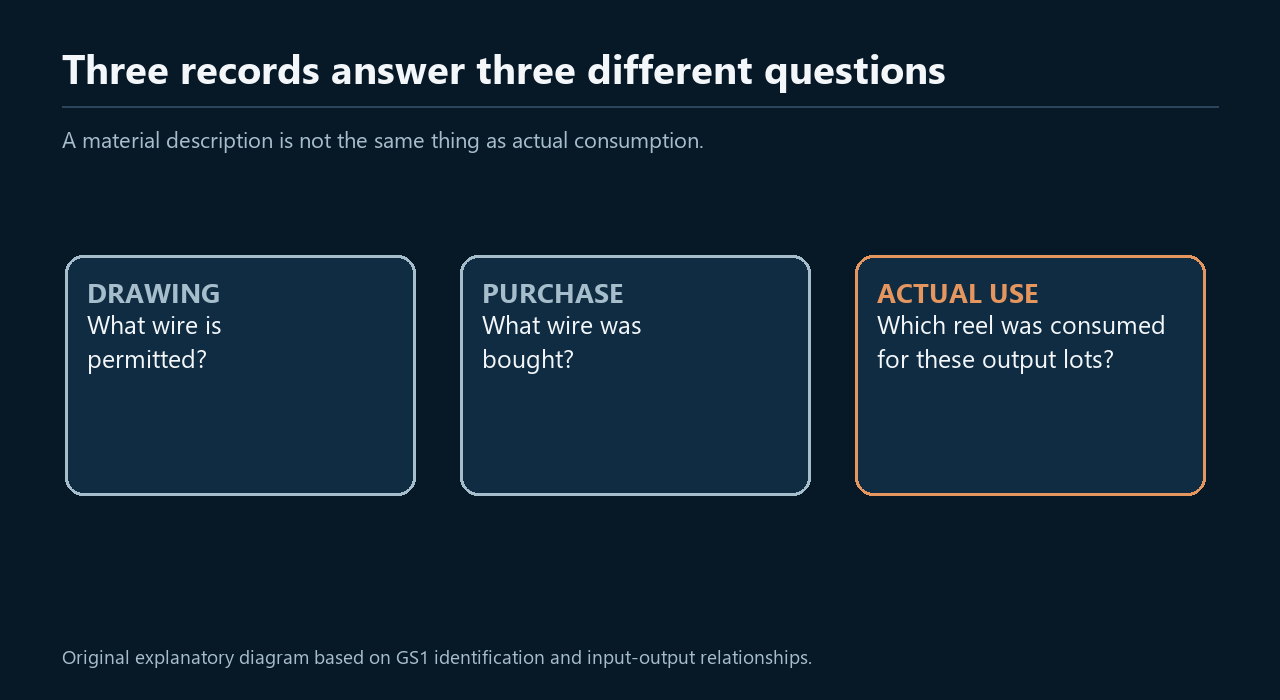
Return to W-42. Suppose drawing C allows a particular wire specification and the purchase order buys it. The completed record for winding order WO-86 then identifies W-42 as the reel actually consumed and M-17 and M-18 as the resulting motor lots. Each document answers a different question: what was permitted, what was acquired, and what went into those outputs. The consumption and output-lot record places W-42 in M-17 and M-18; a note that the reel was issued to the workshop would leave that relationship unconfirmed. This is an application of traceability principles, not a claim about a manufacturer's actual records. Its practical value is that the engineer can select a material-defined population for comparison without assuming that every motor built to drawing C used that reel.
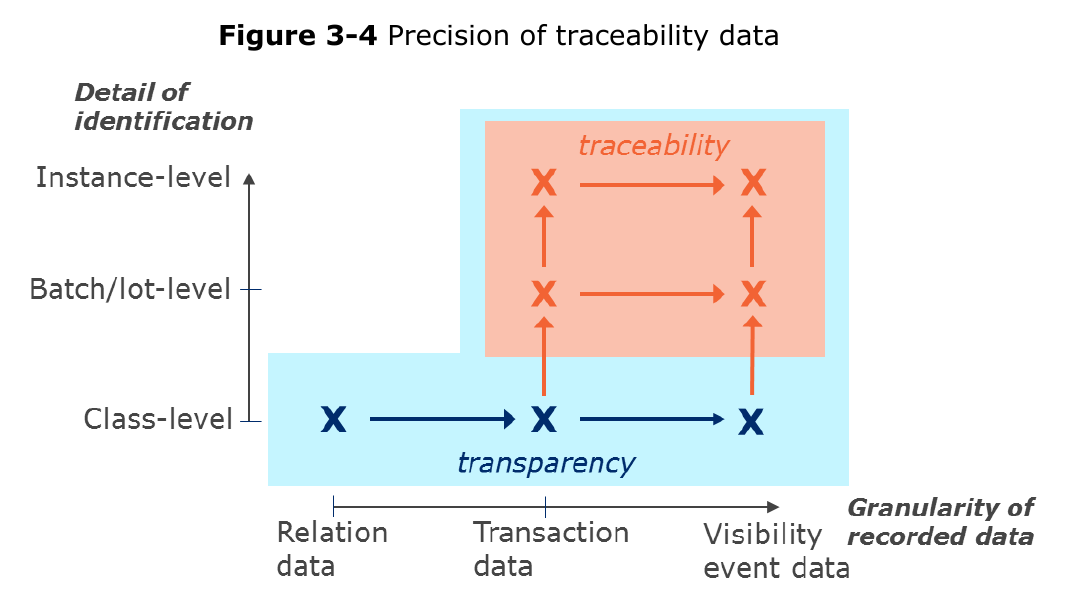
GS1's Global Traceability Standard separates identification by product type, batch or lot, and individual instance. That difference becomes tangible in the example. A wire specification describes a class of acceptable material; a reel or production-lot identifier can distinguish the material actually consumed. Individual motor identification can make the connection more precise still, if the production records preserve it. Precision is earned by those recorded links. Assigning a detailed identifier to the finished motor cannot reconstruct an input relationship that was never retained.
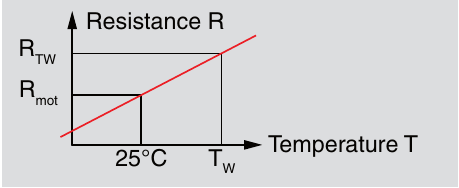
The comparison then has to respect copper's physical behavior. Maxon's motor formula handbook shows winding resistance rising with temperature. Two resistance readings taken under different thermal conditions can therefore differ without demonstrating a change in the supplied conductor. The engineer needs the relevant temperature and test conditions alongside the reel history. The reel history brings a material question to a defined group of motors; comparable measurements establish whether there is an electrical difference to explain.
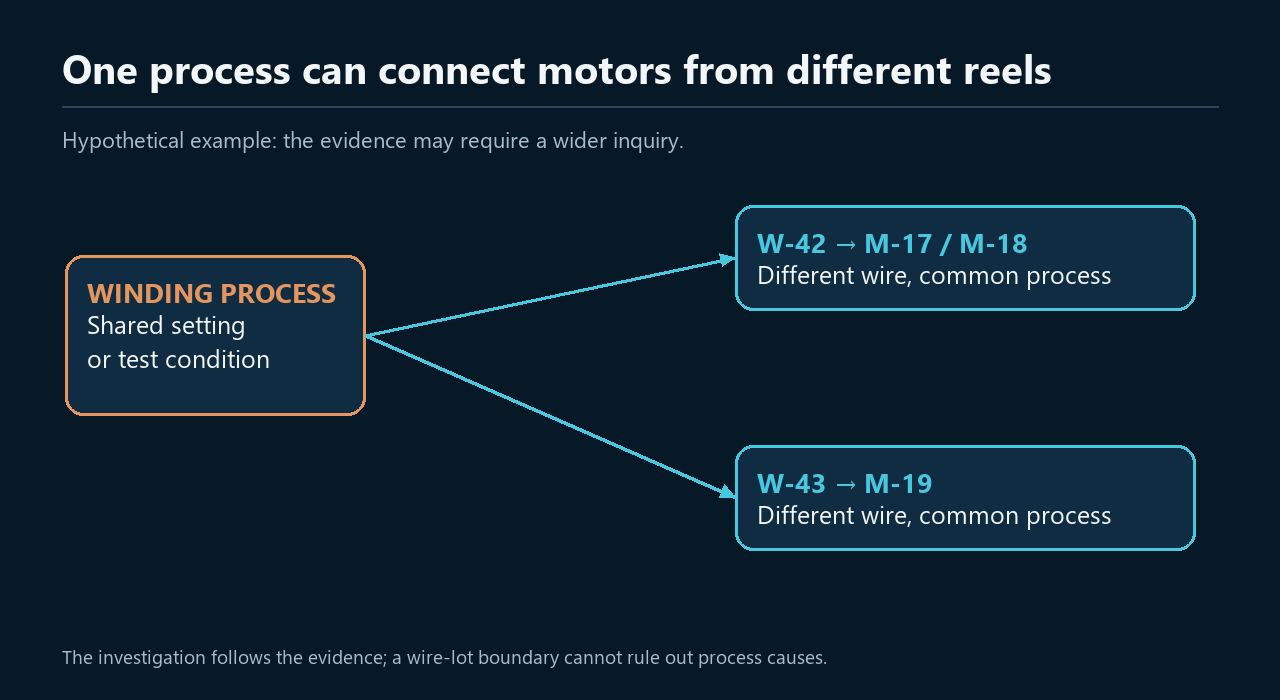
That group is a starting point, not an automatic boundary around the cause. Suppose M-19 used reel W-43 but passed through the same winding operation or test setup. If the evidence points toward a shared process condition, M-19 may belong in the comparison too. Conversely, a result found only among motors sharing W-42 would justify examining that material connection more closely without proving the reel caused it. Keeping material identity and process history together lets the inquiry follow the evidence instead of treating the first matching lot number as a diagnosis.
How far upstream the connection reaches
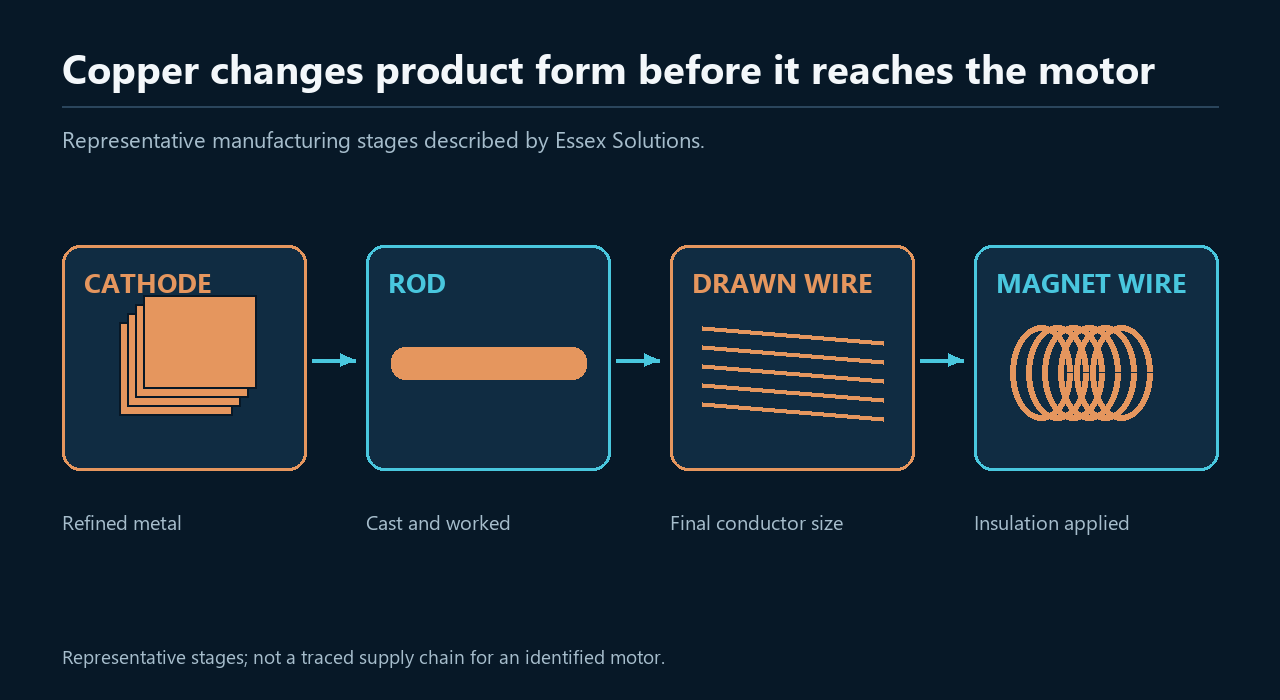
The wire has a manufacturing history before it reaches the winding machine. Essex Solutions describes routes from high-conductivity copper rod through wire drawing and, ultimately, enameling. Each stage produces a different material form for the next operation. The copper that carries current in the finished motor has therefore passed through steps that establish conductor size and insulation, not merely through a change of ownership. Tracing those transformations can relate a converter’s inputs to the conductor specification the motor manufacturer actually uses.
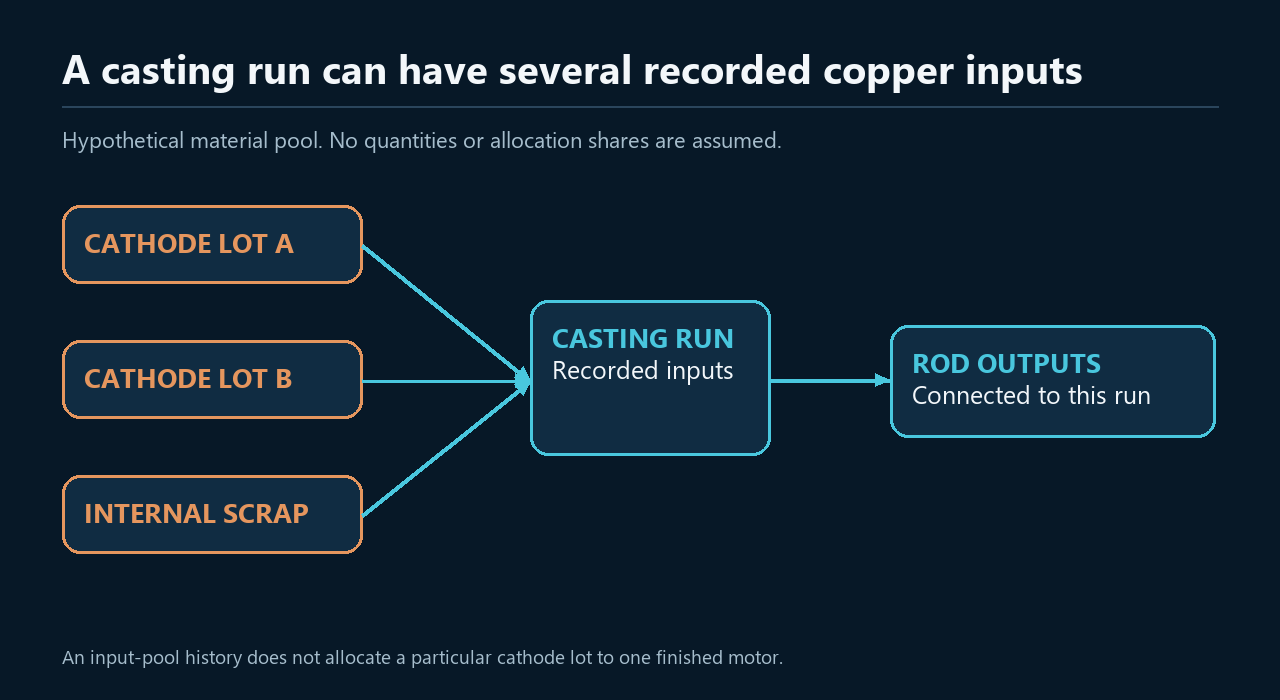
A converter's input record also needs to be read at the level it supports. Essex describes using Grade 1 cathode with a small proportion of internally generated magnet-wire scrap in a rod-production route. In a hypothetical casting run containing several identified inputs, a retained history could connect rod outputs with that input pool. It would not, by itself, assign one cathode lot to one finished motor or establish a precise share of its copper. Following production relationships upstream is possible without turning a shared material pool into an invented mine-to-drone chain.
What makes the history worth keeping
A material inquiry and an unexpected motor result begin at opposite ends of the same production history. A questioned reel should lead forward to the motors that consumed it; an unexpected winding result should lead back to the actual wire, construction and test conditions. Joining those records makes a copper specification usable after production. The engineer can ask whether the material meets the requirement, whether it was incorporated as intended, and whether the measured result is comparable. None of those questions is answered by copper's critical-mineral status, and none disappears because the purchase order specified copper correctly.
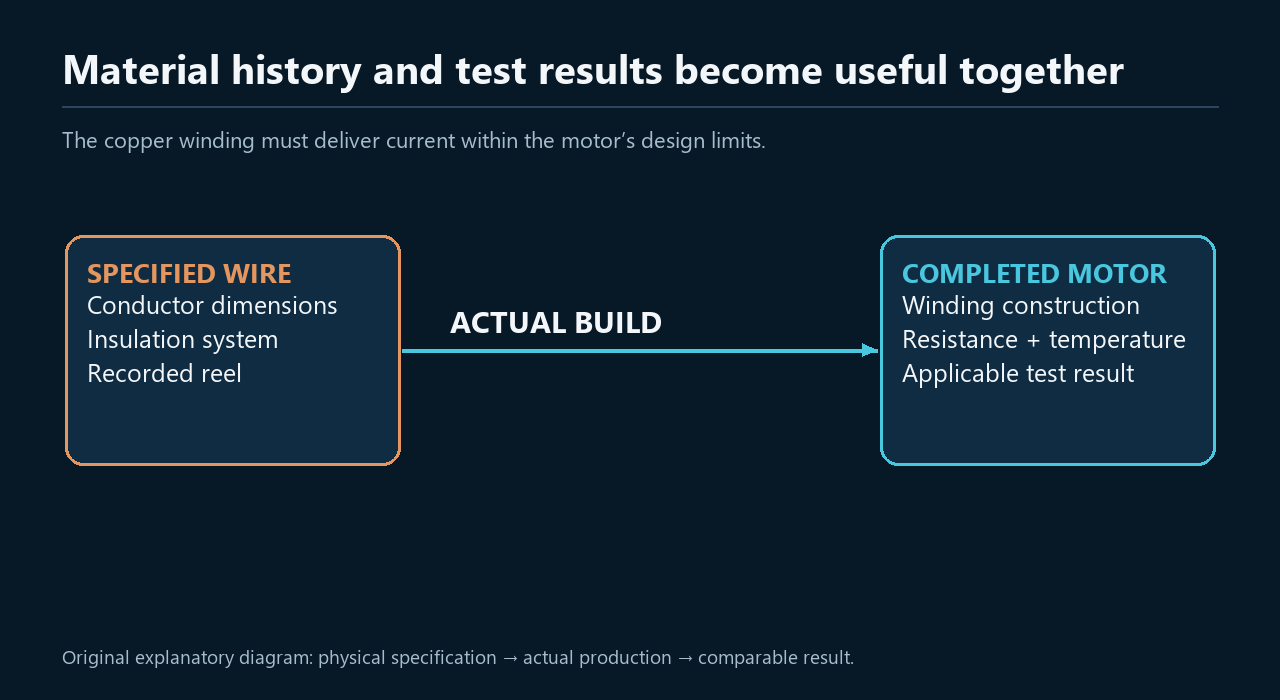
The consequence is a more demanding use of material traceability than simply locating a reel. Copper earns its place in this motor by carrying the current that produces torque, while its resistance adds heat the design must accommodate. The production history needs to preserve the information required to judge that performance. It can narrow the material question, then widen the comparison when the measurements point elsewhere. That flexibility is the payoff: engineers can investigate the conductor's contribution without making its identity a substitute for understanding how the motor works.
Qualified Person — company source
Gunnison's September 22, 2026 commercial-production announcement identifies its Senior VP of Project Development, Dr. Roland Goodgame, as a Qualified Person under NI 43-101 and attributes approval of that announcement's technical content to him. This statement concerns that company news release; it does not claim that Dr. Goodgame reviewed or approved this SilverWars article.
Cautionary Note Regarding Forward-Looking Information
Where this article discusses future events, those statements are forward-looking information rather than established results. Depending on the matters discussed, they include anticipated production and capacity; Nuton technology, Stage 2 funding and work programs; expected payments or tax-credit receipts; exploration, engineering, permitting and project development; preliminary economic assessment or pre-feasibility outcomes and schedules; anticipated contributions from personnel; and a proposed NYSE American listing or ADR program. Such expectations depend on the assumptions in the cited company disclosures, including continued partner funding, adequate financing, resource estimates and recoveries, metal prices, project and operating costs, access to labour and supplies, and receipt of required permits and regulatory or exchange approvals. Actual outcomes and timing may differ materially because of funding or liquidity constraints, operational or construction difficulties, cost changes, commodity-market conditions, estimation uncertainty, environmental or title issues, personnel changes, or delayed or refused approvals. Capacity, development plans and study estimates are not guaranteed production; expected receipts are not cash already received; and listing pre-clearance is not final listing approval. Readers should consider the assumptions, conditions and risk discussions in the linked company announcements and current filings alongside the relevant statements. A future event is not assured merely because it appears in this article.