 Strategic Resource Intelligence
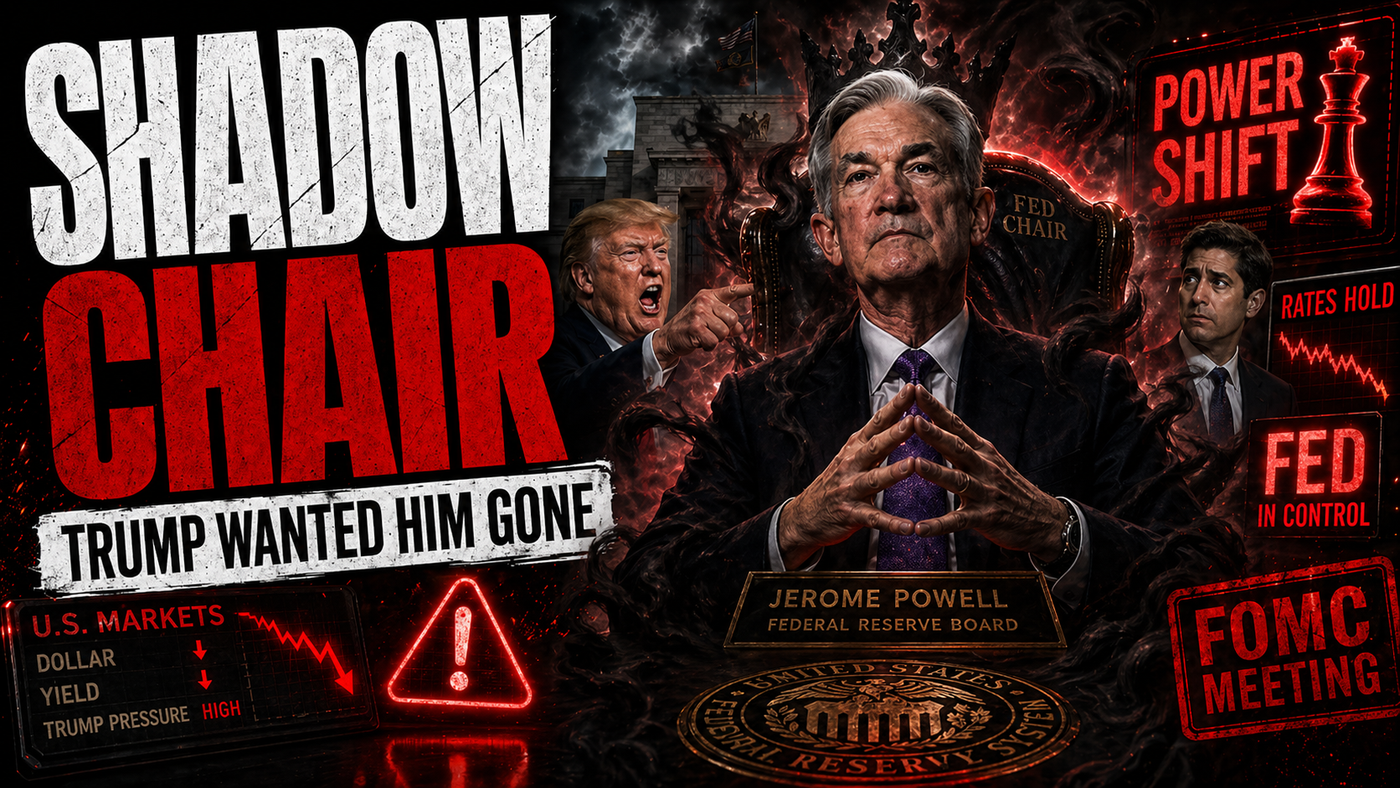
Jerome Powell’s final FOMC meeting as Federal Reserve chair was supposed to be a clean handoff. One last press conference, one last carefully worded explanation of why the Fed held rates steady, one last round of central banker language before Kevin Warsh steps into the chair role.
Instead, Powell gave everyone a much more interesting ending. He made it clear that while he may be leaving the chair position, he is not necessarily leaving the Federal Reserve itself.
That matters because this is not just about one man retiring from one job. This is about Fed independence, interest rates, political pressure, and whether the next Fed chair is going to have full control of the room or inherit a former chair still sitting at the table.
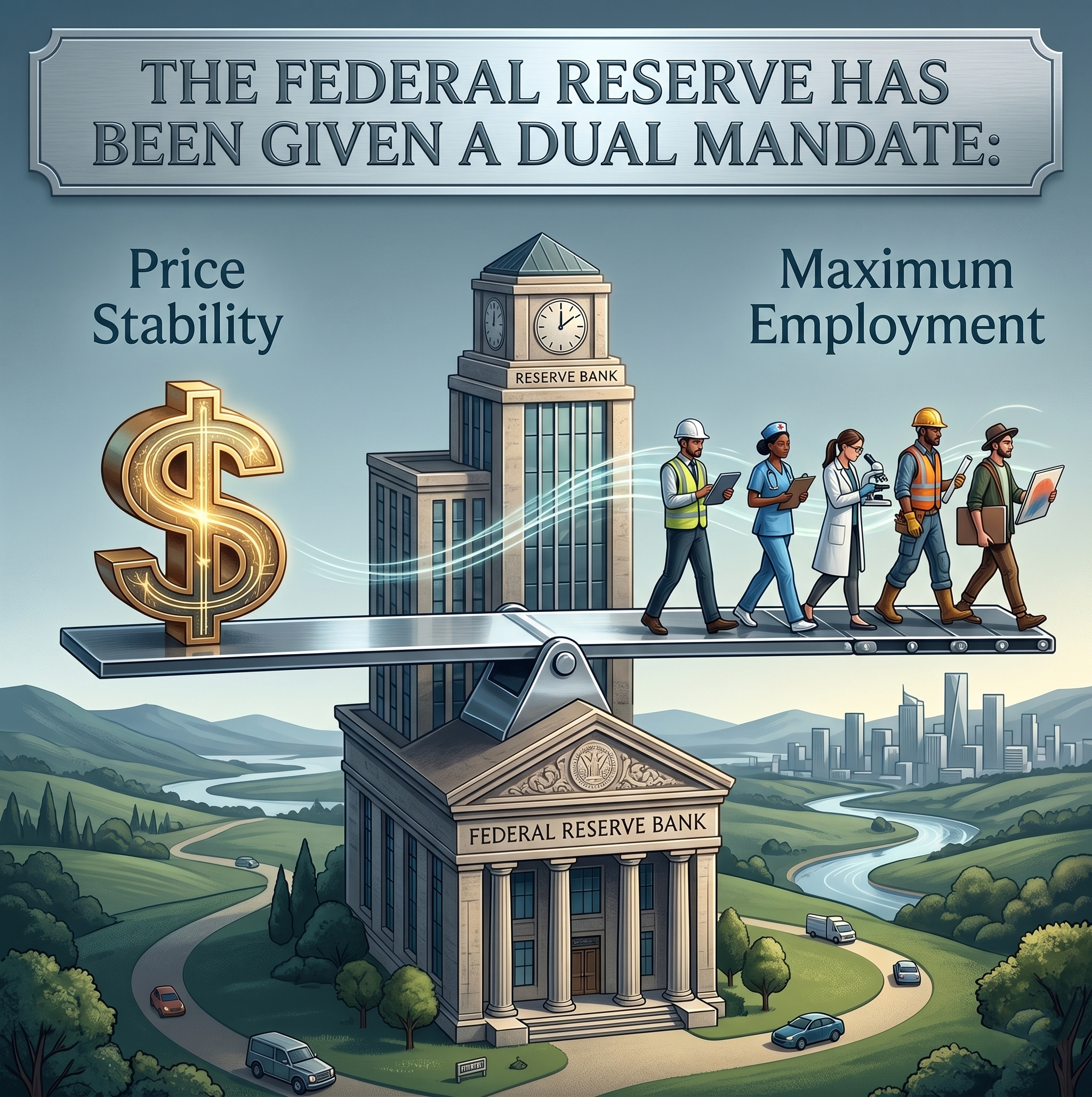
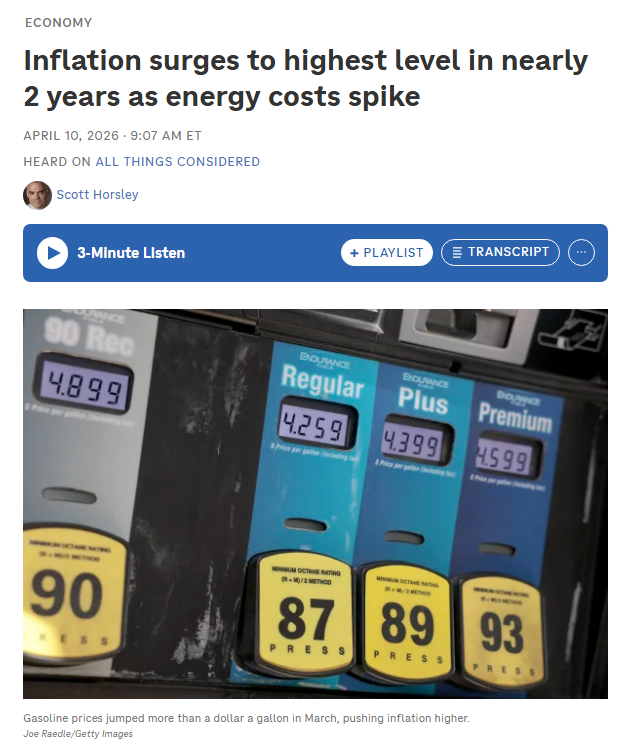
The Fed is already in a hard position. Inflation is still a problem, but the job market is also showing enough concern that cutting rates is tempting. That is the nightmare version of the Fed’s dual mandate. Price stability points one way. Maximum employment points the other. Powell’s final move was basically to hold the line and hand that mess to the next guy.
That next guy is Kevin Warsh. And the transition is already weird.
Powell Held Rates Because The Fed Is Boxed In
 World Economic News Paper
The Fed’s decision to hold interest rates steady was not shocking. It was exactly what you would expect from Powell in this situation. There was no reason for him to make a dramatic move on the way out, especially when the economic data is pulling in two directions.
The problem is simple. If the Fed cuts too soon, it risks letting inflation heat up again. If the Fed stays too tight for too long, it risks weakening the labor market and slowing the economy more than intended.
That is why Powell did what Powell usually does when the options are bad. He waited.
The logic looks like this:
- Cutting rates helps borrowers, stocks, housing, and growth.
- Keeping rates higher helps fight inflation.
- Inflation is still politically toxic.
- A weakening job market would also become politically toxic.
- The Fed does not have a clean answer yet.
So Powell punted. Not because he had no opinion, but because the next phase belongs to Warsh.
This is what makes the timing so interesting. Powell is not leaving his successor a clean economy. He is leaving him a credibility test.
Kevin Warsh Is Walking Into A Trap
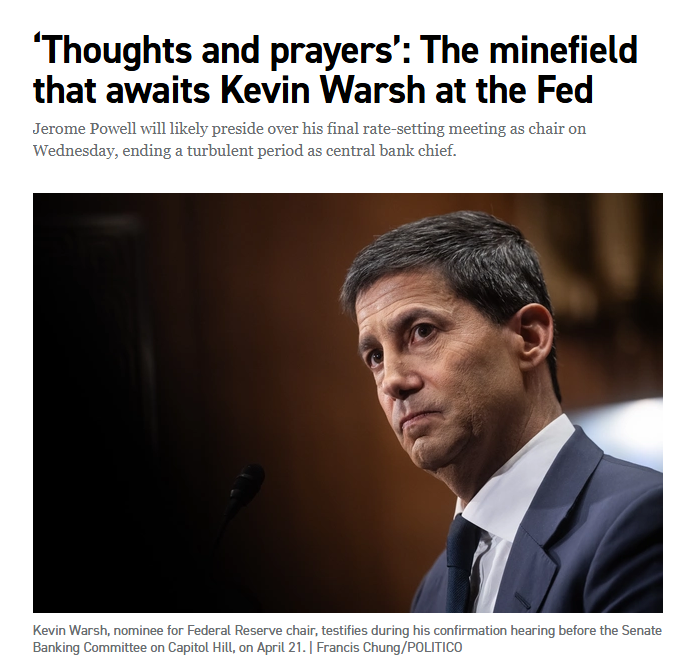
Kevin Warsh is coming into the Fed chair role at a brutal moment. He has to prove he can handle inflation, markets, Trump’s pressure, and the Fed’s internal politics at the same time.
That is not an easy assignment.
Warsh has historically been viewed as more hawkish, meaning he has often sounded more worried about inflation and loose money. But to get this job under Trump, he has had to sound much more open to rate cuts. That creates the obvious question.
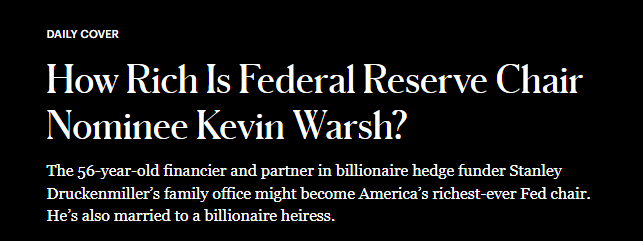
Is he actually a dove now, or is he a hawk wearing a dove costume until he gets the job?
That is not just a personality question. It is the whole market question. If Warsh comes in and cuts aggressively, markets may celebrate at first. Cheaper money usually makes investors happy. But if inflation comes back, he immediately looks captured by politics.
If he refuses to cut quickly, he may look independent, but he will also invite a direct fight with the president who wanted Powell gone in the first place.
That is the trap.
Warsh has to convince markets that he is independent while also satisfying the political coalition that helped elevate him. That is much harder than just giving a good Senate hearing answer.
IA
Powell Staying On The Board Changes Everything
The biggest moment from Powell’s final press conference was not the rate decision. It was the signal that he plans to remain on the Federal Reserve Board as a governor after his chair term ends.
That creates a very unusual situation.
Powell may no longer be the chair, but he would still be inside the institution. He would still have a vote. He would still have relationships with other governors. He would still carry the credibility of someone who led the Fed through inflation, rate hikes, political attacks, and market chaos.
That is why people are using the phrase “shadow chair.”
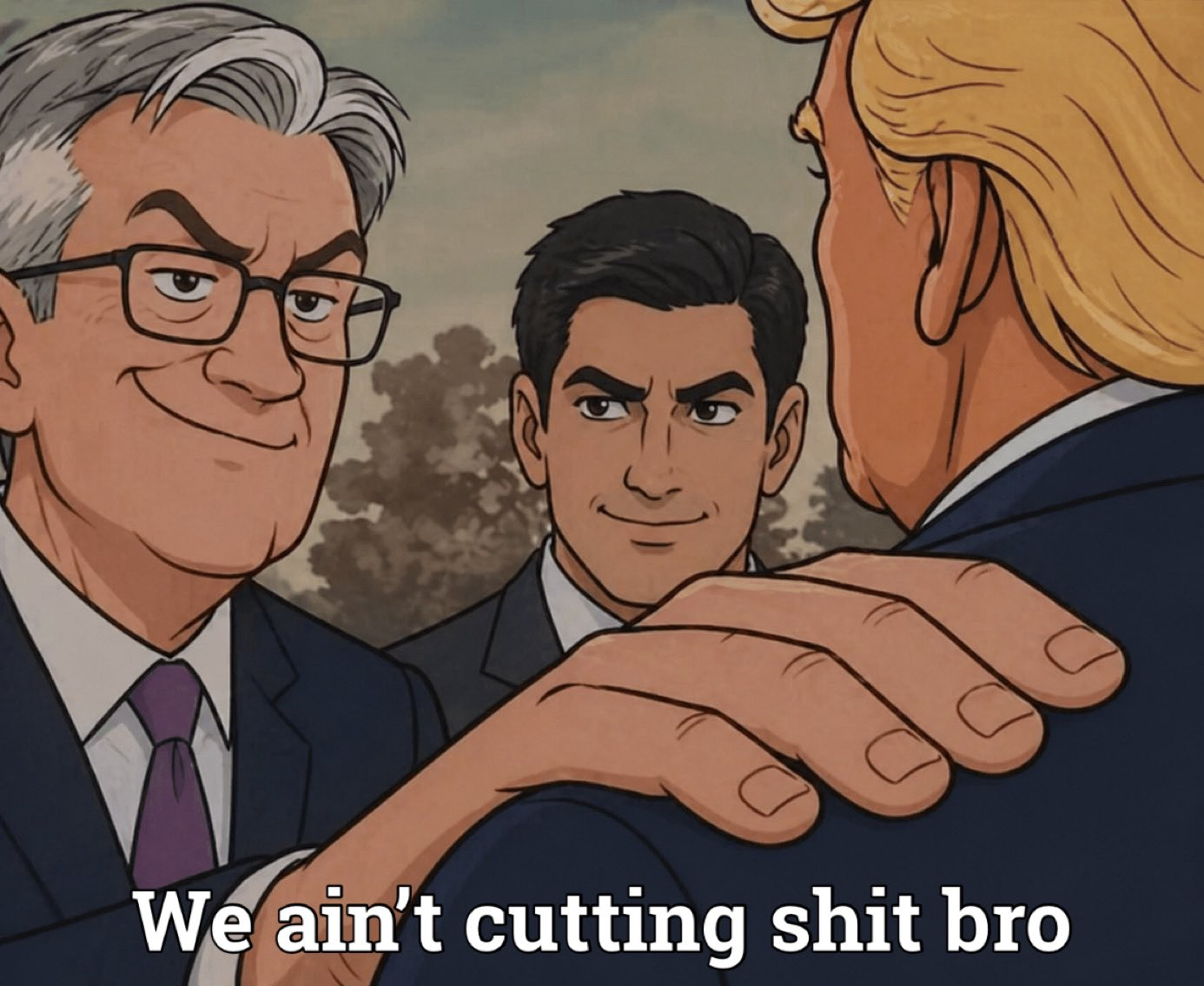
It does not mean Powell secretly controls everything. It means his presence still matters. If Warsh wants to cut and Powell disagrees, Powell’s view could carry real weight with other members of the board.
The Fed chair is powerful, but the chair does not personally dictate interest rates. The FOMC votes. The chair usually leads consensus, but that consensus depends on trust, credibility, and institutional weight.
Powell still has those things.
That is why this move is such a direct shot at the idea that Powell would simply disappear.
The Trump-Powell Fight Was Always About Control
The fight between Trump and Powell was never just about whether rates should be higher or lower. It was about control over the central bank.
Trump wanted lower rates. Powell did not move as fast as Trump wanted. That created a years-long pressure campaign where Powell was criticized, threatened, and treated like the obstacle standing between the White House and cheaper money.
Here is the problem. An independent central bank is supposed to be annoying to politicians. That is the point.
Elected officials usually want short-term growth. They want low rates, hot markets, cheap debt, and happy voters. The Fed’s job is not to make the White House happy. The Fed’s job is to protect price stability and employment, even when that means saying no.
That is why this fight matters beyond Powell himself.
Countries that lose central bank independence do not usually get a clean, harmless version of political control. They get leaders pressuring monetary authorities to cut rates, print money, juice growth, and delay pain until the currency or inflation picture breaks.
That is the real fear.
Powell is not perfect. He was late on inflation after the pandemic. The Fed made mistakes. But the larger point is that the president should not be able to bully the central bank into rate cuts whenever the political calendar demands it.
IA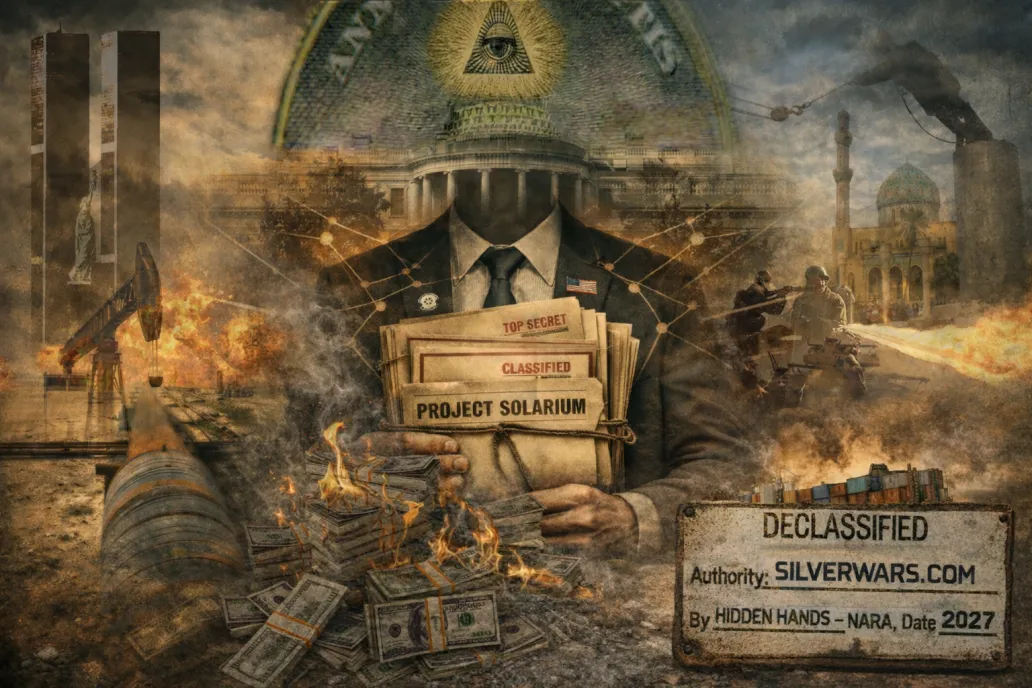
The “Shadow Chair” Setup Could Split The Fed
Powell staying as governor creates a strange new power structure. Warsh may get the chair title, but Powell may still be the most experienced person in the room.
That matters most if the committee starts to divide.
If Warsh wants aggressive cuts and Powell agrees, the transition looks smooth. The market reads unity, and the Fed moves forward.
But if Warsh pushes cuts while Powell warns against moving too quickly, suddenly every vote becomes a political and institutional signal.
The next Fed meetings could turn into a test of three things:
- Does Warsh actually control the committee?
- Does Powell still influence the internal consensus?
- Do other governors follow the new chair or respect the former chair’s caution?
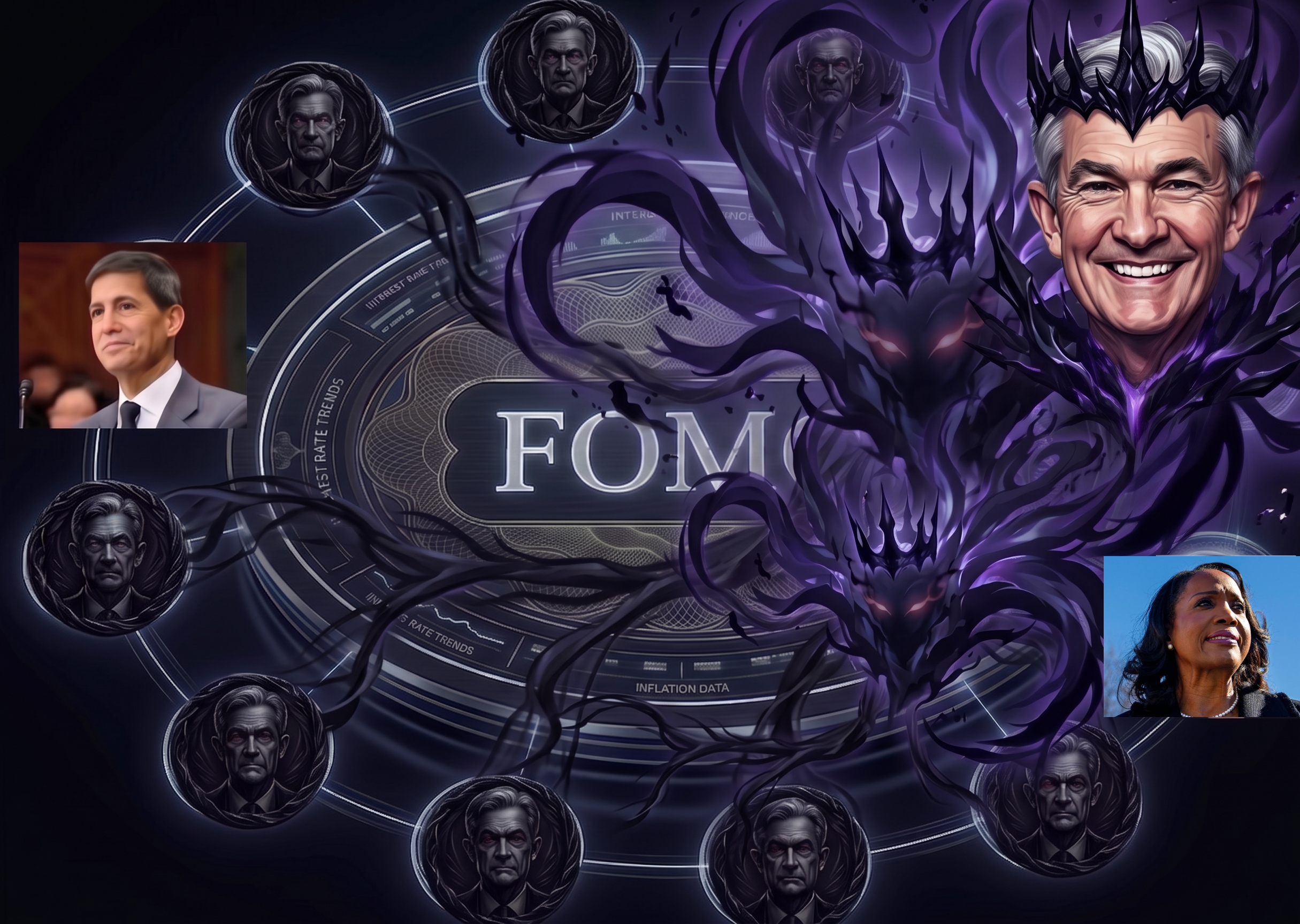
That is why Powell’s “low profile” language only goes so far. Of course he is going to say he respects the next chair. Of course he is going to say there is only one chair. That is how central bankers talk.
But markets do not only listen to titles. They listen to power.
And Powell staying means power is not leaving the building cleanly.
Why This Matters For Markets
For investors, this is not just a fun Washington drama story. Fed leadership affects everything.
Interest rates influence stocks, bonds, housing, credit cards, business borrowing, bank lending, private equity, commercial real estate, tech valuations, and the dollar. When the Fed is steady, markets can price the path. When the Fed looks politically pressured or internally split, markets get jumpy.
The risk is not that Powell and Warsh disagree once. Disagreement is normal.
The risk is that the Fed starts to look like a battlefield between political pressure and institutional resistance.
Markets will be watching for a few clear signals:
- Whether Warsh pushes for fast cuts immediately.
- Whether Powell votes with or against him.
- Whether inflation data gives Warsh cover to cut.
- Whether Trump escalates public pressure if rates stay high.
- Whether other Fed governors appear aligned or divided.
 Kevin Breuninger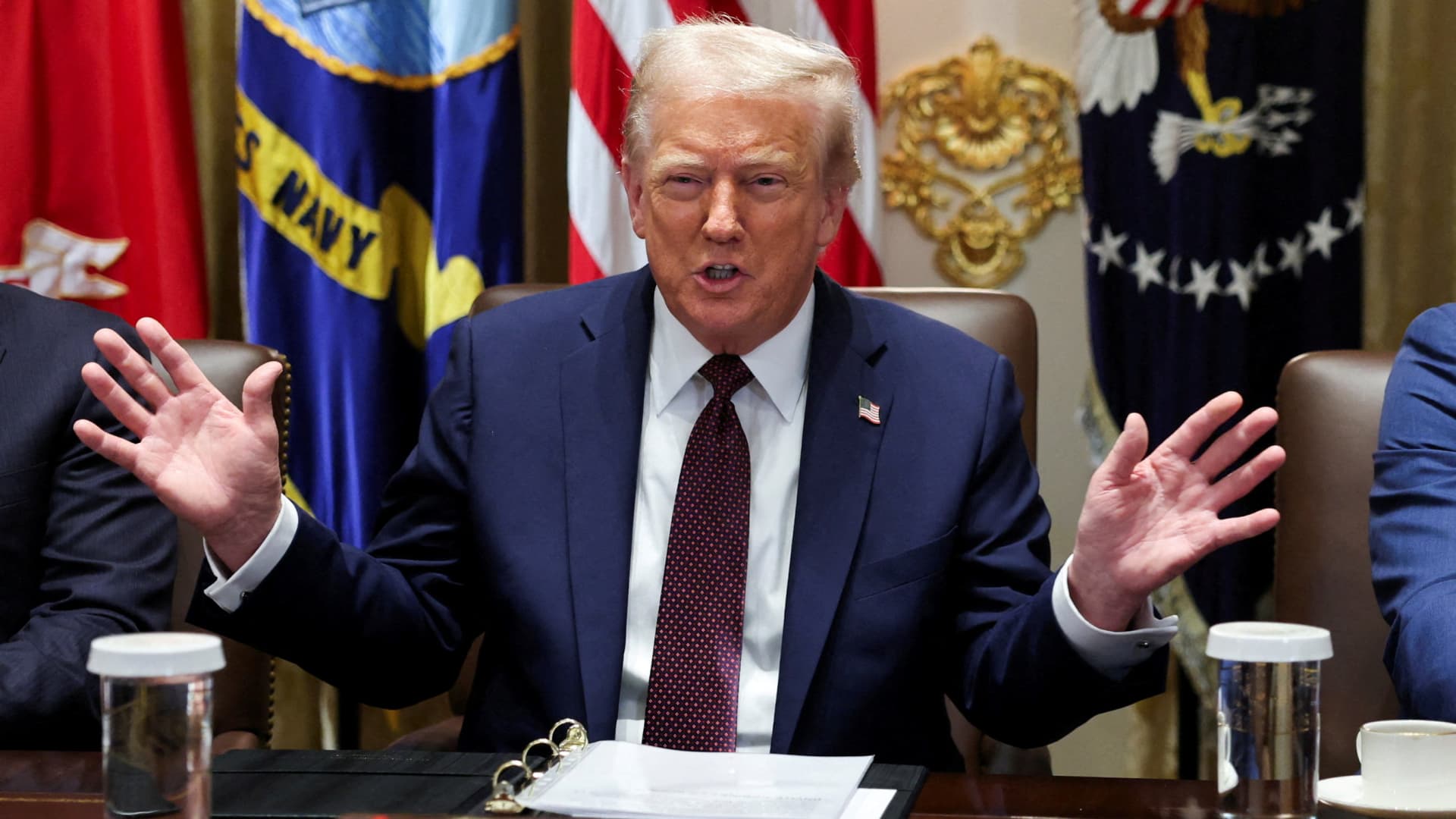
The first Warsh-led FOMC meetings are going to matter a lot. Not because one rate cut changes everything, but because markets will be trying to answer a bigger question.
Is this still an independent Fed?
Powell’s Legacy Is Complicated, But The Final Move Was Clear
Powell’s record is not simple. He deserves criticism for being late to inflation. The Fed kept calling inflation transitory for too long, and Americans paid for that mistake through higher prices, higher rates, and a brutal affordability shock.
But Powell also stood in front of years of political pressure and refused to turn the Fed into a campaign tool. That is not nothing.
His final move as chair makes the point even clearer. He is not just giving a goodbye speech and sailing into retirement. He is staying close enough to protect the institution if the next phase gets ugly.
That is the actual story.
Not the memes. Not the personality fight. Not whether Powell sounded boring at the podium.
The story is that Powell is leaving the chair role while keeping a seat in the room.
IA
The Shadow Realm's Alpha Play
Jon Decker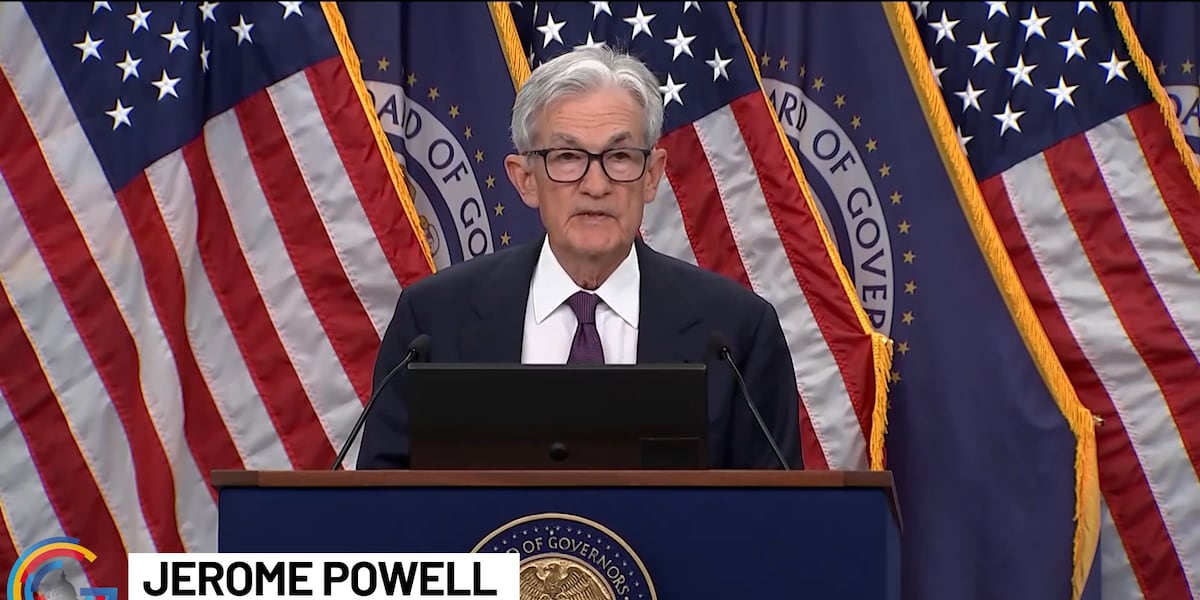
The Alpha is that Powell’s final FOMC meeting was not really about the rate hold. The rate hold was expected. The real story is that Powell is not fully leaving.
What is actually happening is that the Fed is entering a power transition during a fragile economic moment. Inflation is still not fully dead. The job market is not weak enough to force emergency cuts. The president wants easier money. The new chair may want to prove loyalty or independence. And the old chair is still sitting on the board.
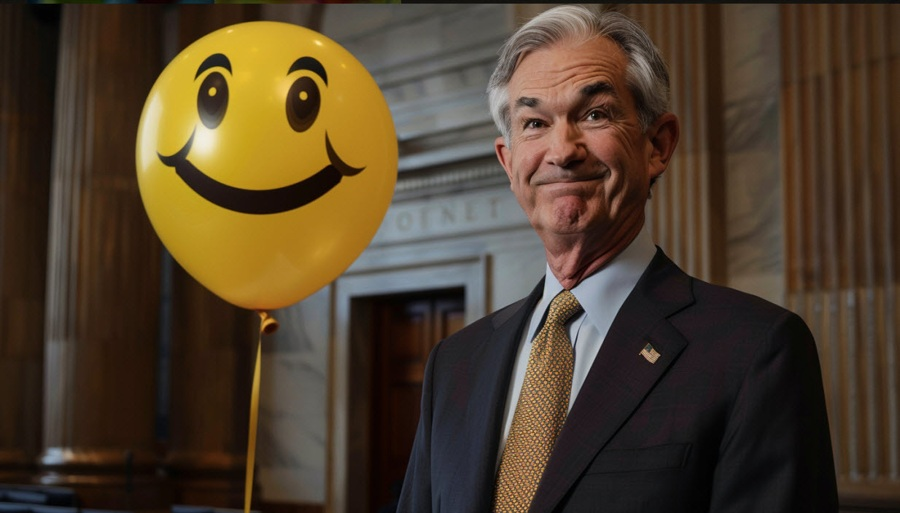
What matters most is whether Kevin Warsh behaves like an independent Fed chair once he takes over. If he cuts because the data supports it, markets can live with that. If he cuts because Trump demands it, that is a much bigger problem.
The noise is the personality drama. The memes are funny. The Trump-Powell feud is real. The “shadow chair” label is spicy. But the real signal is how the votes go once Warsh is in charge.
Watch the first few Warsh meetings. Watch Powell’s votes. Watch inflation. Watch the dissents. Watch whether the Fed still sounds like one institution or starts sounding like two factions trapped in the same building.
Powell did not slam the door on his way out.
He left the chair, kept the seat, and made sure everyone understood the difference.