
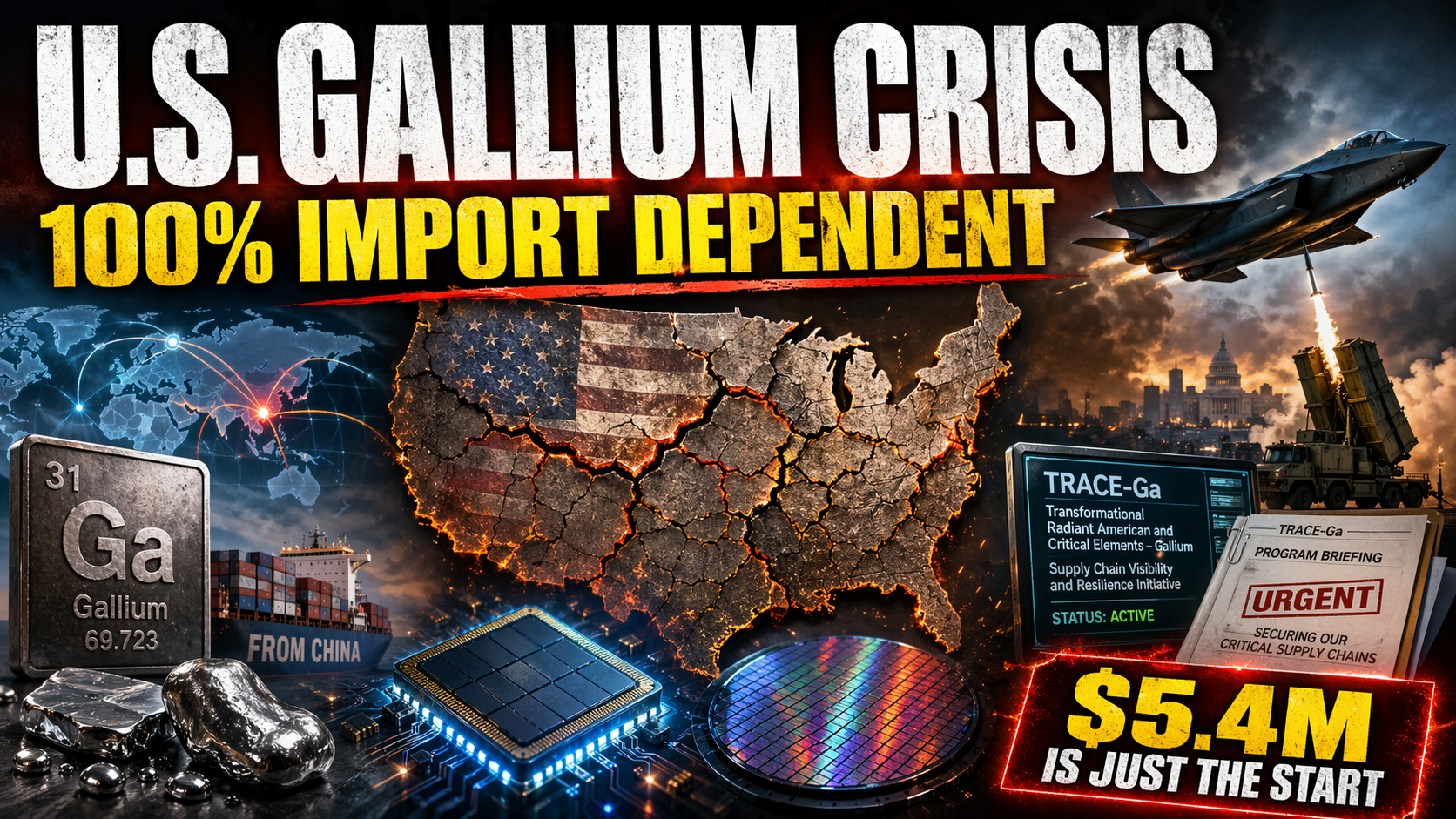

The 1987 Ghost in the Machine
Here is the reality. The United States has not produced a single gram of primary gallium since 1987. Let that sink in for a second. In 1987, the top-selling movie was Fatal Attraction and people were still using pagers. Since then, we have built the entire modern world: the internet, the smartphone revolution, advanced AI, and missile defense systems: on a foundation of a material we literally do not make here anymore.
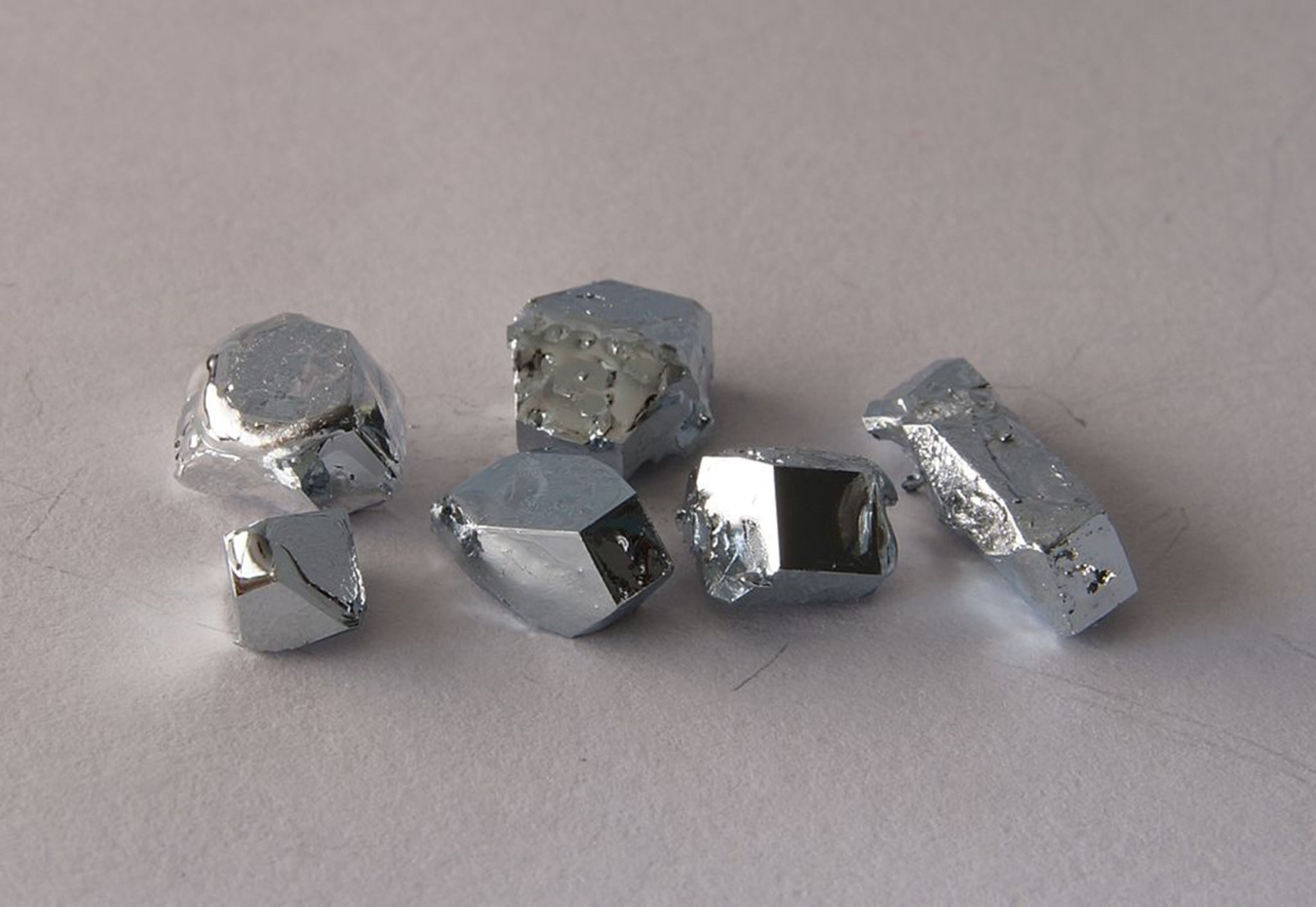
We are now 100% net import reliant for one of the most critical elements in the semiconductor and defense sectors. We are talking about the "glue" of high-performance electronics. If you want to build an F-35 radar or a high-efficiency power converter for a data center, you need gallium. And right now, we are getting it from people who might not want to sell it to us tomorrow. This is a disaster that has been forty years in the making.

The Globalization Scams and Public Narratives
The public narrative for decades was simple: "Who cares where it comes from?" The idea was that as long as the global market was open, we could just buy whatever we needed from whoever had the lowest price. It was the ultimate "Just in Time" inventory scam applied to national security. We offshored the "dirty" work of mining and refining because it was cheaper and easier to let other countries deal with the environmental and industrial overhead.
This worked great for corporate margins in the 90s and 2000s, but it created a massive strategic bottleneck. The narrative told us that we were the "innovation economy" and others were the "resource economy." We thought we were the "big brains" at the top of the value chain. But here is the problem: if you do not control the bottom of the chain, you do not actually control the top. You are just a tenant in someone else's factory.
Solomon Cefai
What Is Actually Happening
The Department of Energy just announced about $5.4 million for five projects under its TRACE-Ga initiative. We need to talk about this number. In the world of federal spending and global industrial pivots, $5.4 million is effectively pocket change. It is what a Tier 1 tech company spends on a single marketing activation at CES.
But the fact that this program even exists is the real signal. It is a formal admission of a systemic failure. The government is finally moving from "thinking about it" to "funding the restart." They are looking at projects that can recover gallium from existing metal-processing feedstocks: basically, finding ways to squeeze blood from a stone because we do not have any mines of our own left.
| THE GALLIUM DEPENDENCY GAP |
|---|
|
DOMESTIC PRODUCTION: 0%
The U.S. has zero primary production capacity. Every gram used in an F-35 or a 5G base station starts as a foreign import or low-volume scrap recovery. |
|
CHINESE MARKET DOMINANCE: 98%
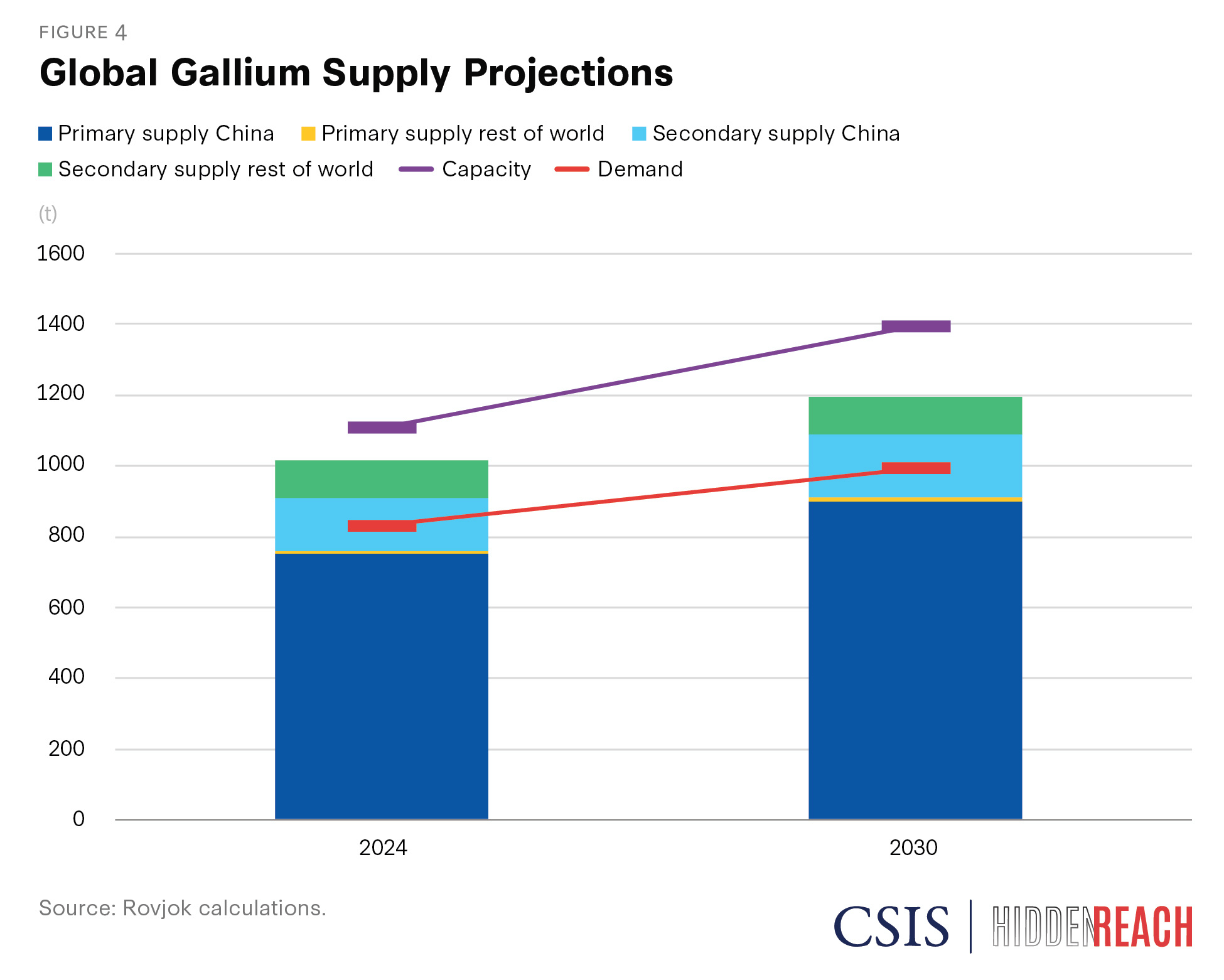
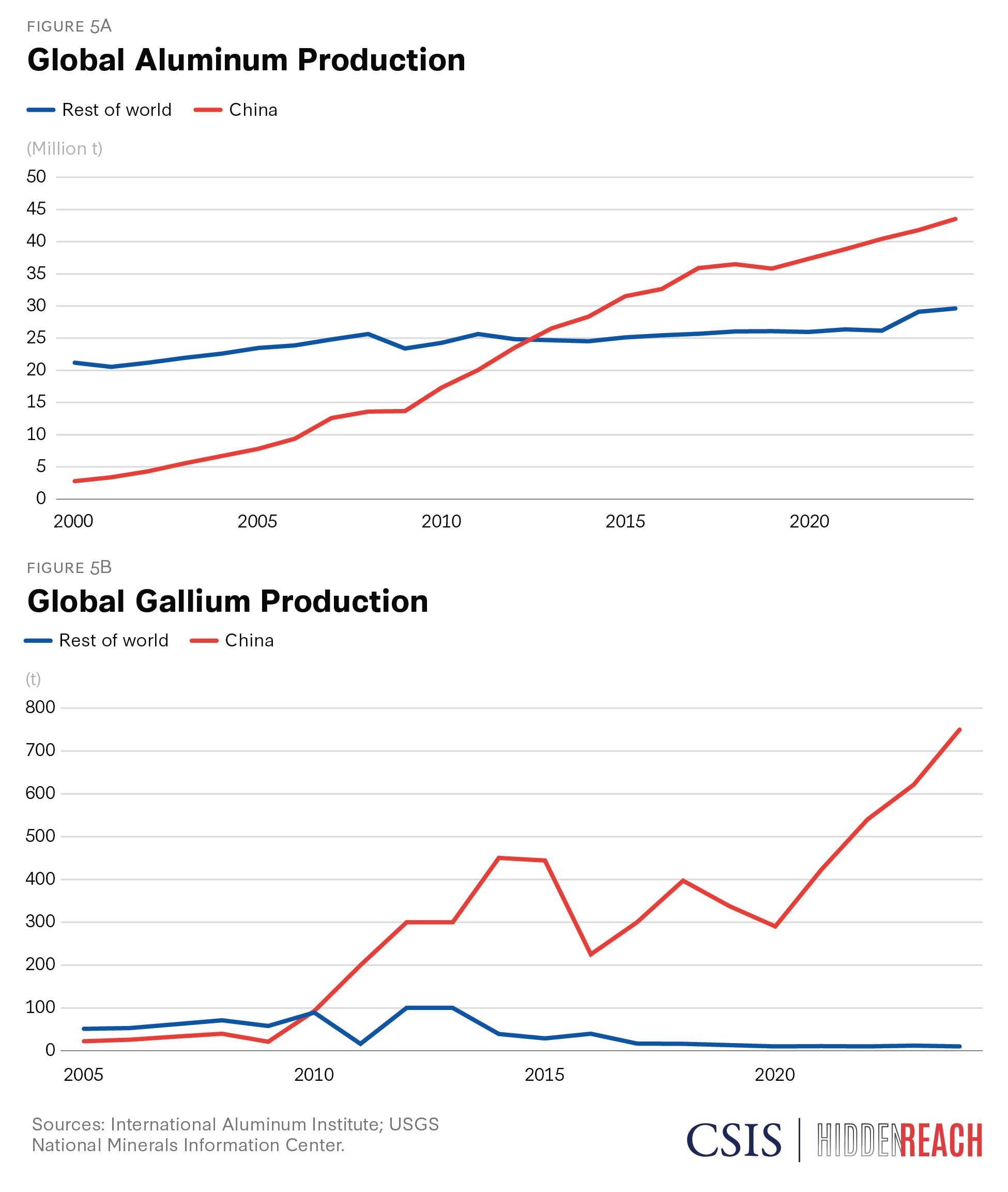
China controls nearly the entire global supply of primary gallium. They have already demonstrated the ability to flick the "off switch" through export licensing and outright bans. |
|
TRACE-GA FUNDING: $5.4M
This is a pilot-scale investment. While the technology is genius, the capital outlay is several orders of magnitude below what is needed to actually decouple the supply chain. |
IA
Winners, Losers, and Incentives
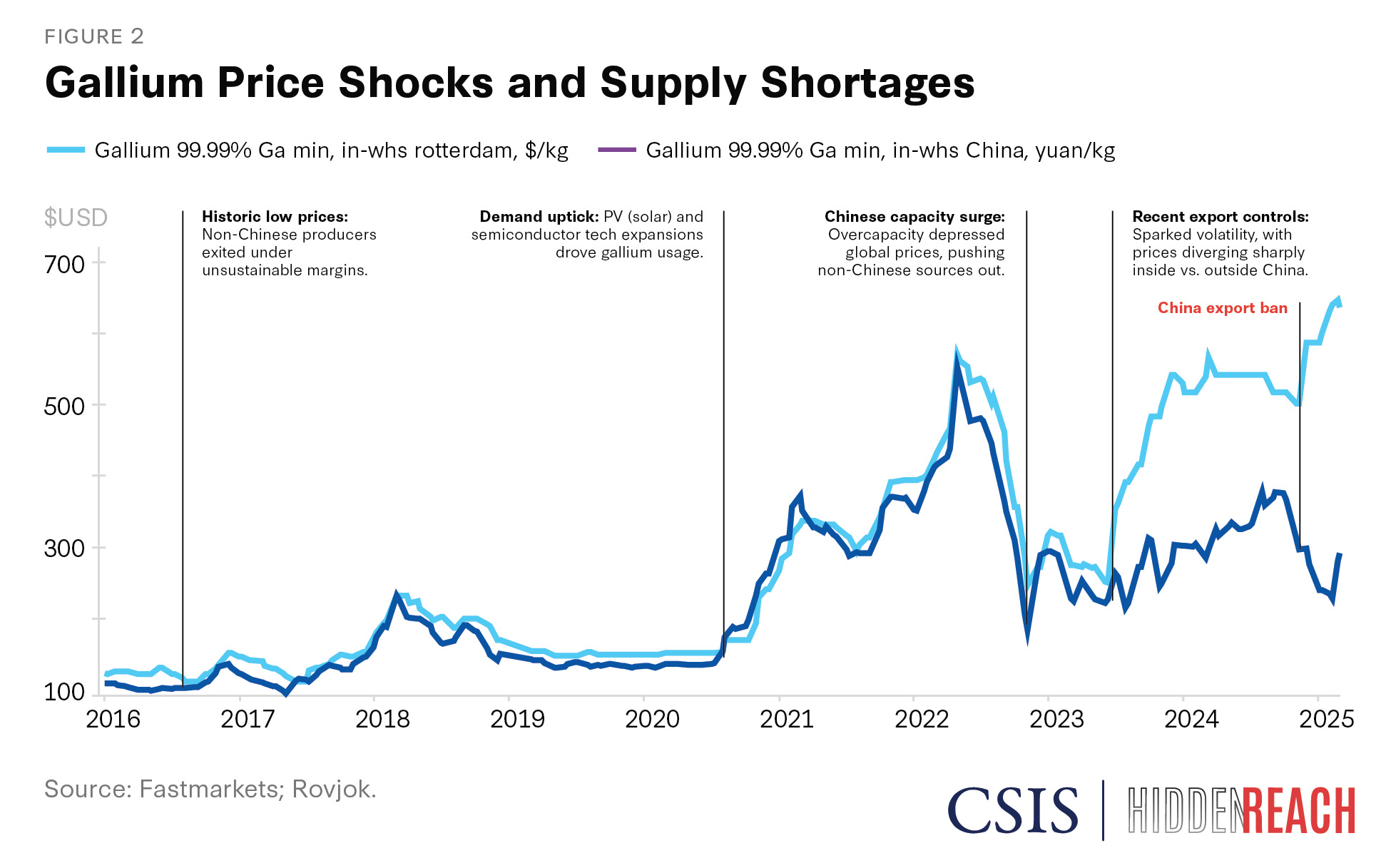
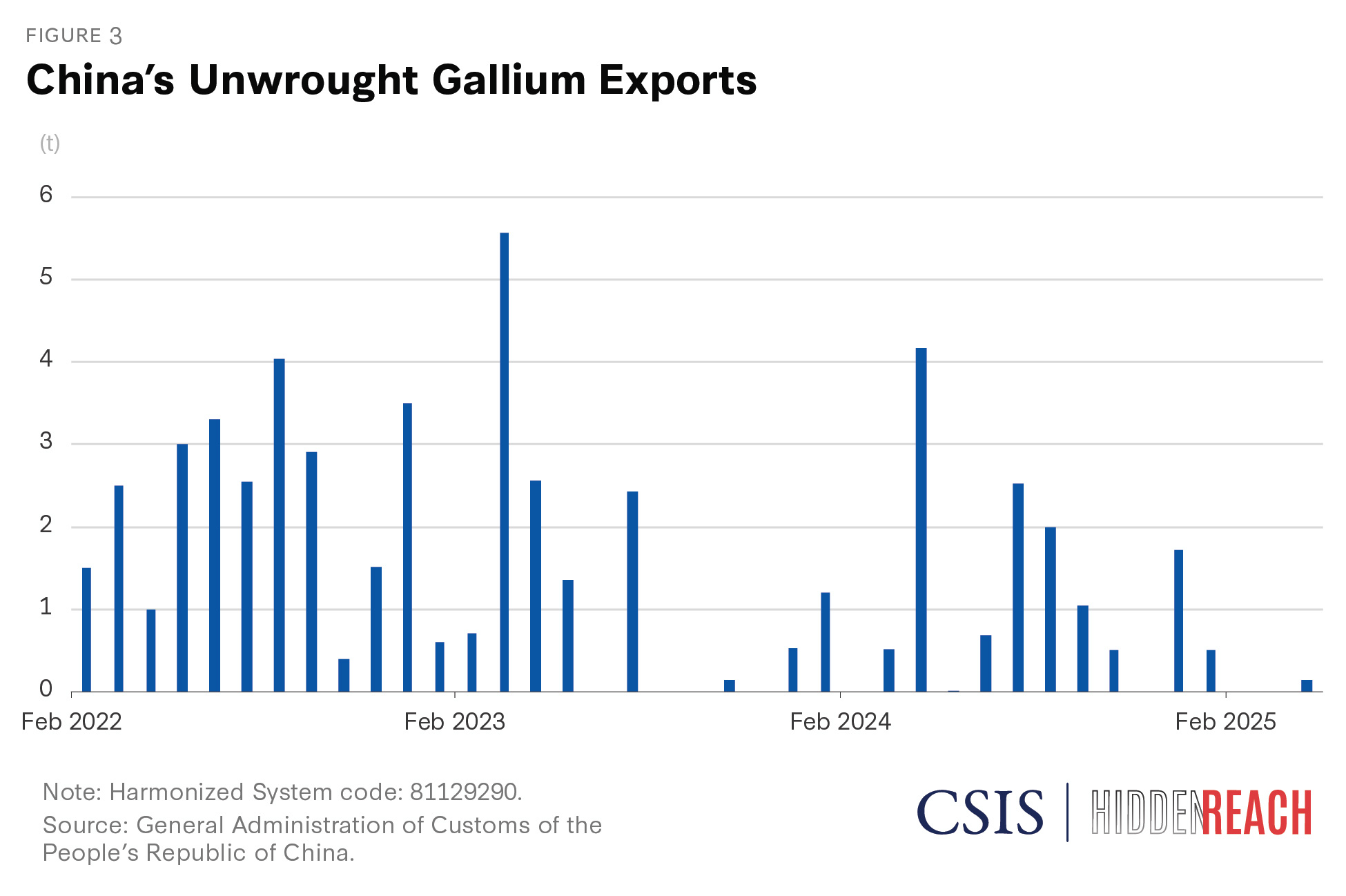
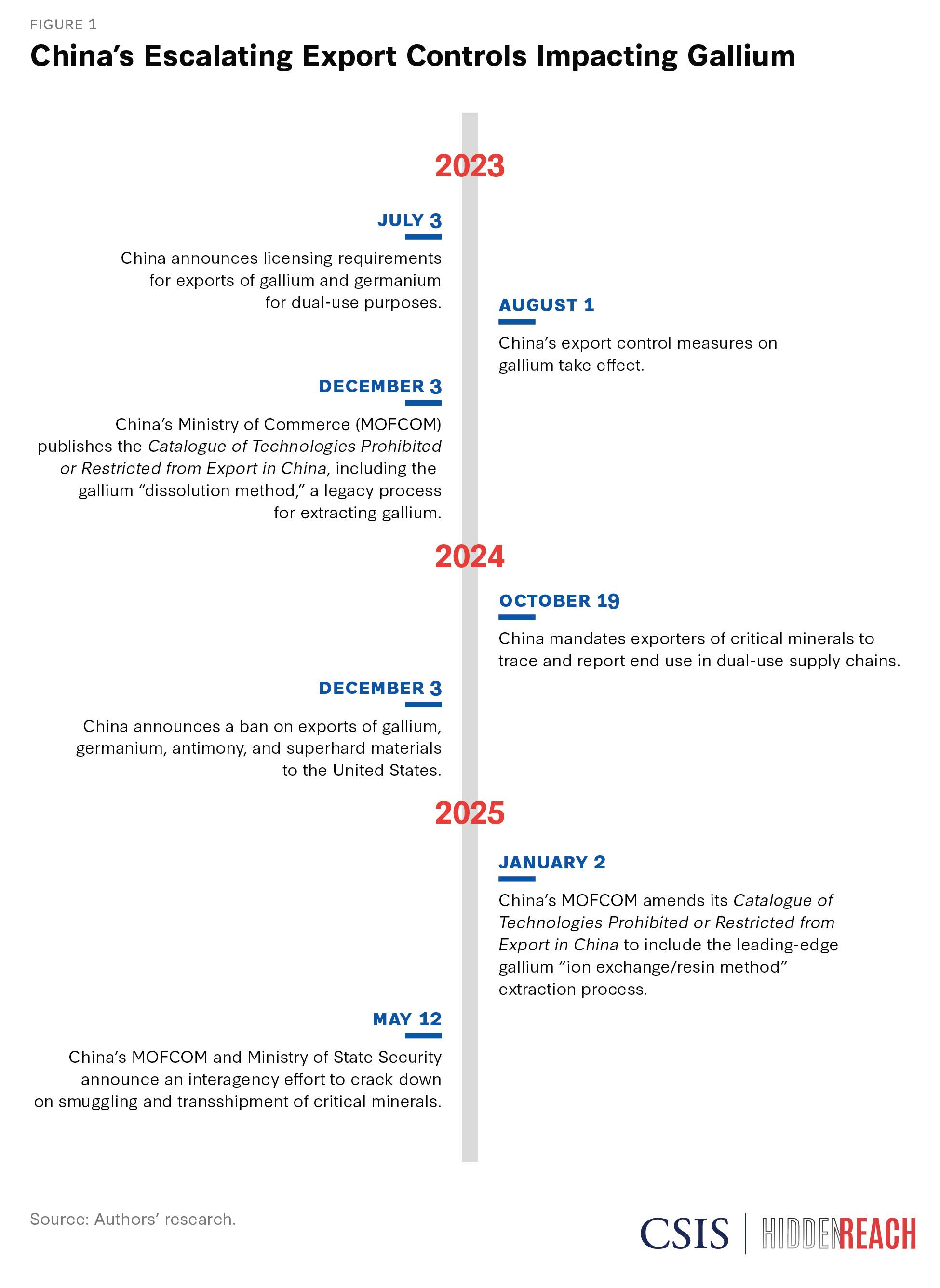
Look at the numbers. China controls 98% of global primary gallium production. They have already started using this as a geopolitical lever, tightening export controls and even implementing temporary bans. This is actually genius from their perspective. They do not need to win a war with bullets if they can win it with an export license.
The losers here are the major defense contractors and semiconductor fabs that have been coasting on the assumption of cheap, infinite materials. They are now facing a reality where their multi-billion dollar programs are beholden to a supply chain they do not own.
The winners? Look at the numbers from Americas Gold and Silver (USAS). They just reported record quarterly production with 787,000 ounces of silver and are on schedule to hit a hoisting capacity of 105 short tons per hour at the Galena Complex. That is a 160% increase in throughput compared to their 2024 baseline. This is actually genius because they are pairing that volume with their February 2026 joint venture with US Antimony to build a "mine to finished product" critical mineral solution on U.S. soil. With silver grades at Galena up 21% and the company launching its largest exploration program ever with 64,000 meters of drilling, they are moving from a recovery story to a dominant industrial player. When you realize their Q1 silver price was nearly $80 per ounce, the scale of this throughput shift becomes a disaster for anyone betting against domestic production.
IA
What Happens Next
The critical mineral bull case is getting simpler by the week. America is finally waking up to the fact that if you do not control your supply chain, you do not actually control your industrial base. We are going to see a massive flood of capital into the "boring" parts of the economy: processing, refining, and industrial automation.
This is not just about gallium. It is a total rethinking of how we build things. The DOE moving from speeches to direct funding for prototyping recovery tech is the first step in a very long journey. We should expect much larger rounds of funding and probably some aggressive industrial policy mandates. The government is done pretending this is fine.
The Last Stand
The real play here is not just betting on the price of gallium going up. Commodity prices are volatile and hard to time. The play is betting on the infrastructure and the companies that can deliver domestic throughput at scale.
The U.S. needs more than just technology; it needs volume. If you are looking for where the next decade of "smart money" is going, look at the companies that are modernizing the industrial base. The Alpha is in the companies that can turn 40 years of neglect into a high-speed, mechanized domestic supply chain. If you are waiting for the government to fix this with $5 million, you are missing the point. The real money is in the scale-up.