

The Industrial Bottleneck of Global Terror
Here is the reality. The global industrial base is currently being squeezed from three different directions, and anyone telling you it is about "defending freedom" is selling you a narrative scam. This isn't a hero story; it is a cold, hard struggle for the world's most critical bottlenecks.
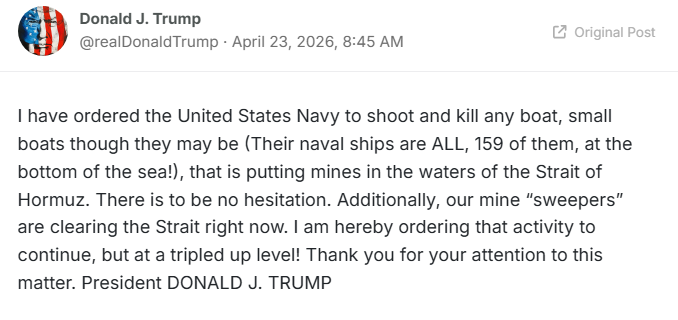
Right now, the U.S. is ordering its Navy to eliminate fast attack boats in the Strait of Hormuz. At the same time, France and Poland are going rogue with nuclear simulations in the Baltic. And in the background, Ukraine is playing "musical chairs" with Russian oil pipelines. We need to talk about this because the "security" we’ve relied on for decades was always just a thin layer of paint over a crumbling engine. Now, that paint is peeling off in real-time.
The "Ceasefire" Marketing Campaign
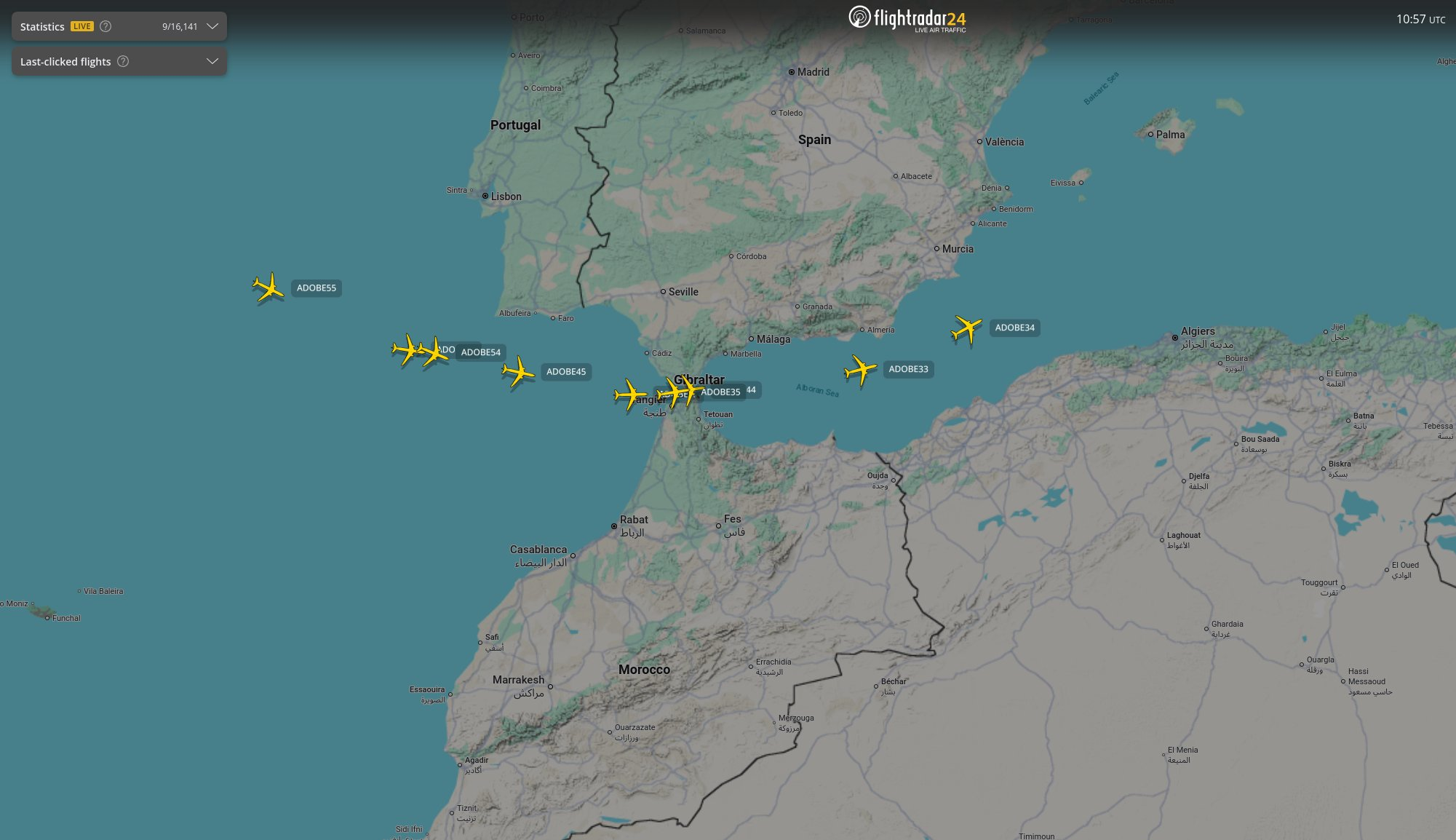
The public narrative has been focused on "ceasefire talks" with Iran. It sounded nice. It kept the markets from panicking. But look at the numbers. While the suits were talking peace, the USS George HW Bush was steaming toward the region and a dozen FA-18 Hornets were being dragged across the Atlantic by a train of refuelers.
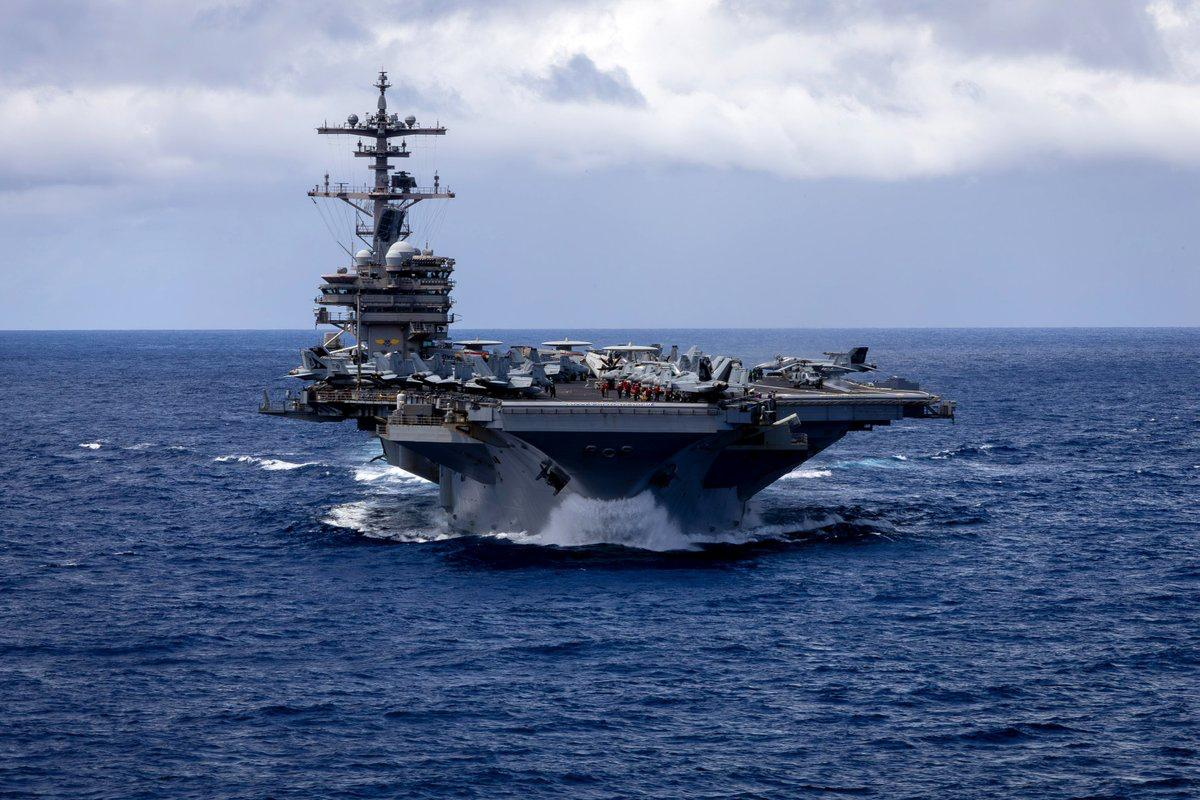
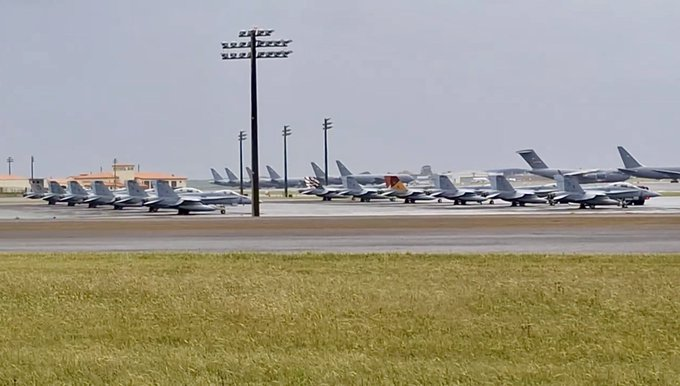
This is a classic marketing stall. You don't position that much hardware if you think the talks are going to work. You do it because you need to be in position before the first mine explodes. The president’s Truth Social post about "tripled up" minesweeping is another layer of the trick. Even the experts on the ground admit there is zero evidence of actual minesweepers in the Strait. It is hype talk designed to project strength while the real assets are still 48 hours away. This is a disaster of transparency, but it is genius as a logistical smoke screen.
What Is Actually Happening
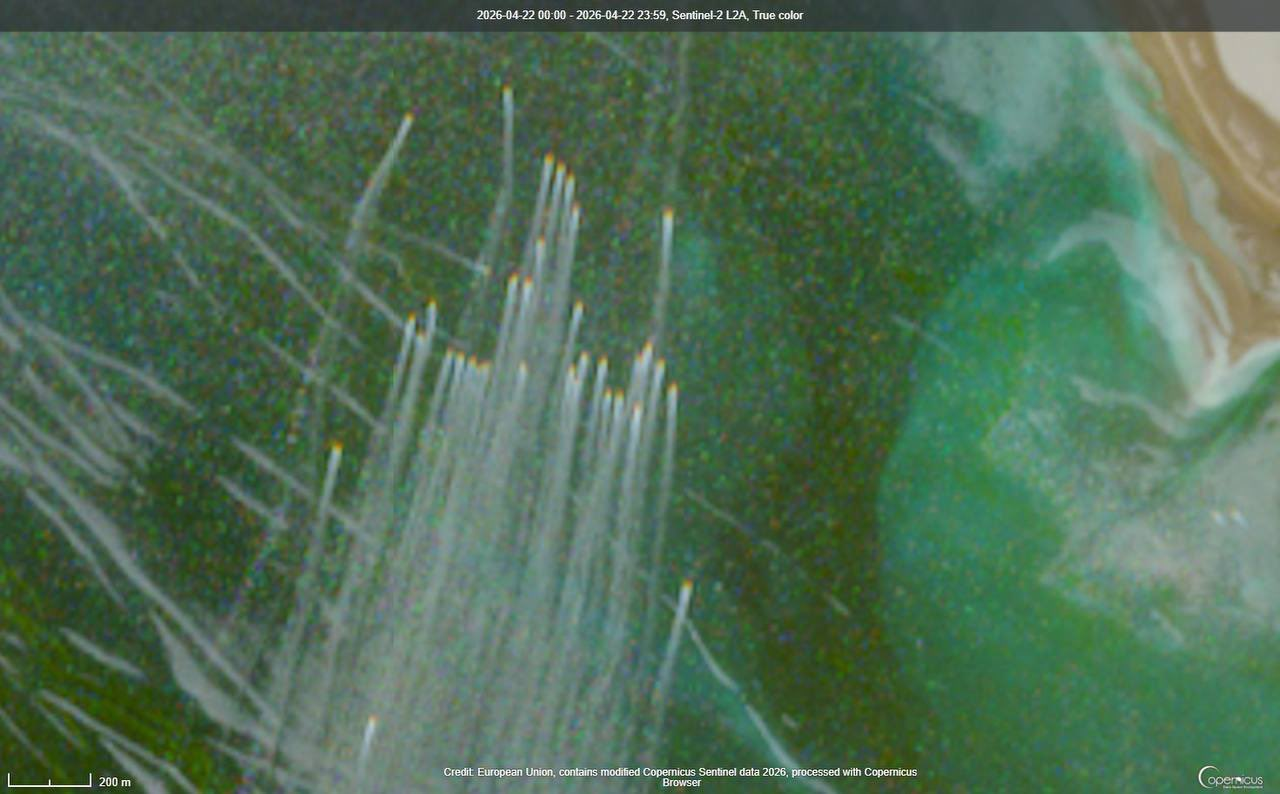
The U.S. is pivoting to a "shoot and kill" policy because they realized they can't actually stop the mines once they are in the water. The Iranian fast attack boats are hiding in hardened beach shelters. If they get into the Strait, the jugular is severed. So the U.S. is forced into a high-risk game of whack-a-mole.
In the Baltic, France and Poland are essentially breaking the NATO framework to simulate nuclear strikes on Russia. Why? Because the standard alliances are showing cracks. They are tired of waiting for a consensus that never comes, so they are signaling their own nuclear deterrent. It is a desperate move to keep Russia from closing the Baltic, which would be the second major maritime bottleneck to fail in a single week.
| BOTTLENECK RISK ASSESSMENT |
|---|
|
HORMUZ: PHYSICAL INTERDICTION
The U.S. has authorized lethal force to prevent sea mining. This is a high-risk gamble to keep the oil jugular open while diplomatic channels are functionally dead. |
|
BALTIC: ROGUE NUCLEAR SIGNALING
France and Poland are bypassing NATO to run nuclear drills. This indicates a total loss of faith in standard alliance deterrence and a shift toward independent regional escalation. |
|
PIPELINES: ENERGY MANIPULATION
Ukraine is choosing which Russian oil flows to Europe. By hitting the Gorki station while sparing others, they are converting industrial infrastructure into political leverage. |
Winners, Losers, and Incentives
Yolka anti drone launcher to intercept a long range Ukrainian one way strike drone.
The winners here are the companies and nations that understand "Caveman Tech." Look at the drone warfare videos coming out of Russia. They are trying to hit fast-moving drones with machine guns on the back of trucks. It is a clown show. It does not work.
The real winner is the physical interceptor model pioneered by Ukraine. They are using drones to kill drones. It is cost-effective, it is physical, and it is the only thing that actually works against a Shahed drone. We are seeing the Gulf States and the U.S. Navy starting to adopt this because the "high-tech" jammers are failing.
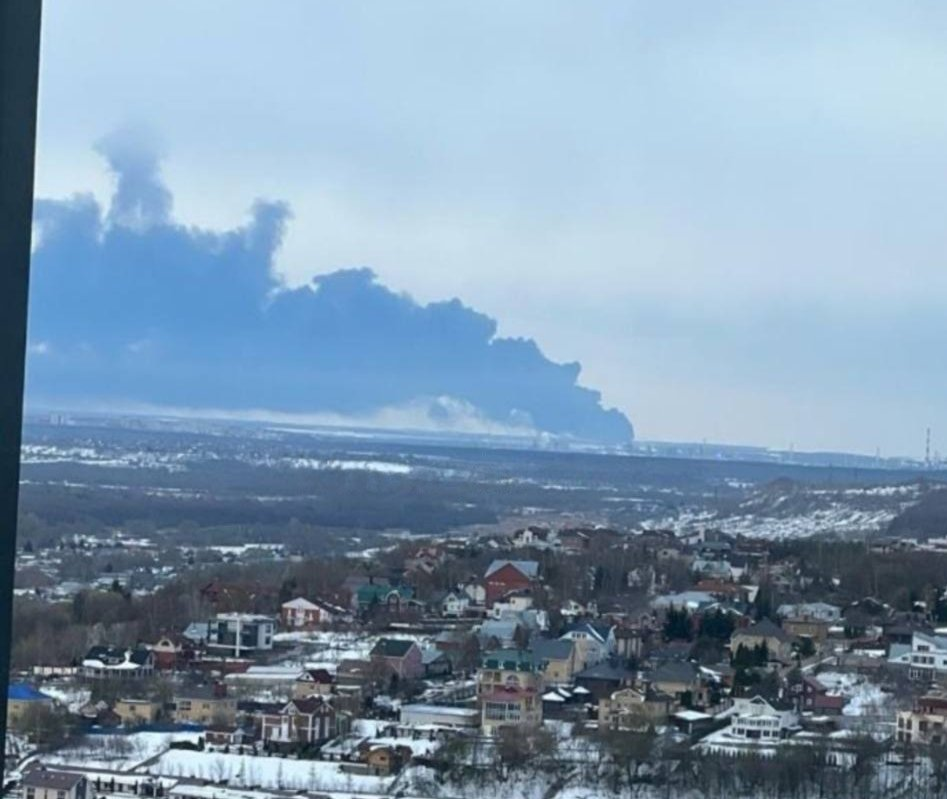
The losers? The Russian oil industry. Ukraine just hit the Gorki oil pumping station in Kostovo. This station maintains the pressure for the Siberian oil fields. When that pressure drops, the whole system starts to fail. It is a surgical industrial strike that does more damage than a thousand infantry charges.
What Happens Next
We need to talk about the Baltic. France and Poland simulating nuclear strikes on Russian and Belarusian targets is a massive pivot. They are operating on their own accord, effectively telling Russia that the "red lines" have been erased. Key sites near St. Petersburg are now on a simulated target list.
Russia is going berserk, and for once, their fear-mongering about Kaliningrad might actually be grounded in reality. They are accusing NATO of rehearsing a naval blockade. Whether that is true or just propaganda, the tension in the Baltic is now mirroring the tension in the Middle East. We are looking at a two-front industrial war where the primary weapon isn't just a missile: it is the ability to cut off your opponent's energy and logistics.
 Katherina Popilnichenko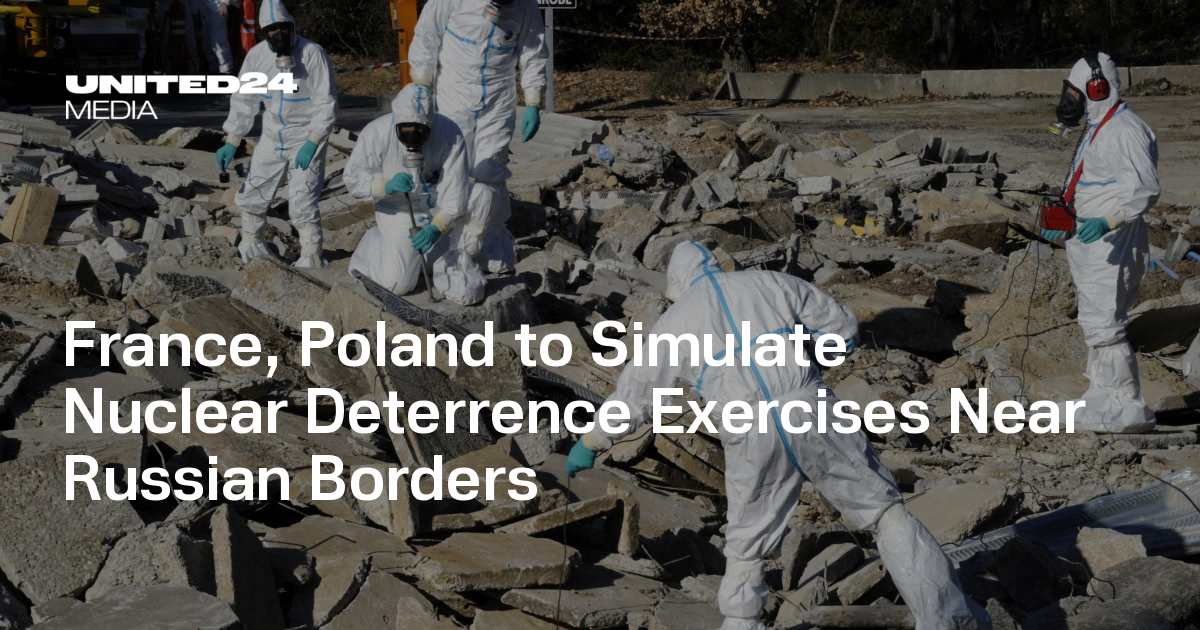
The Alpha
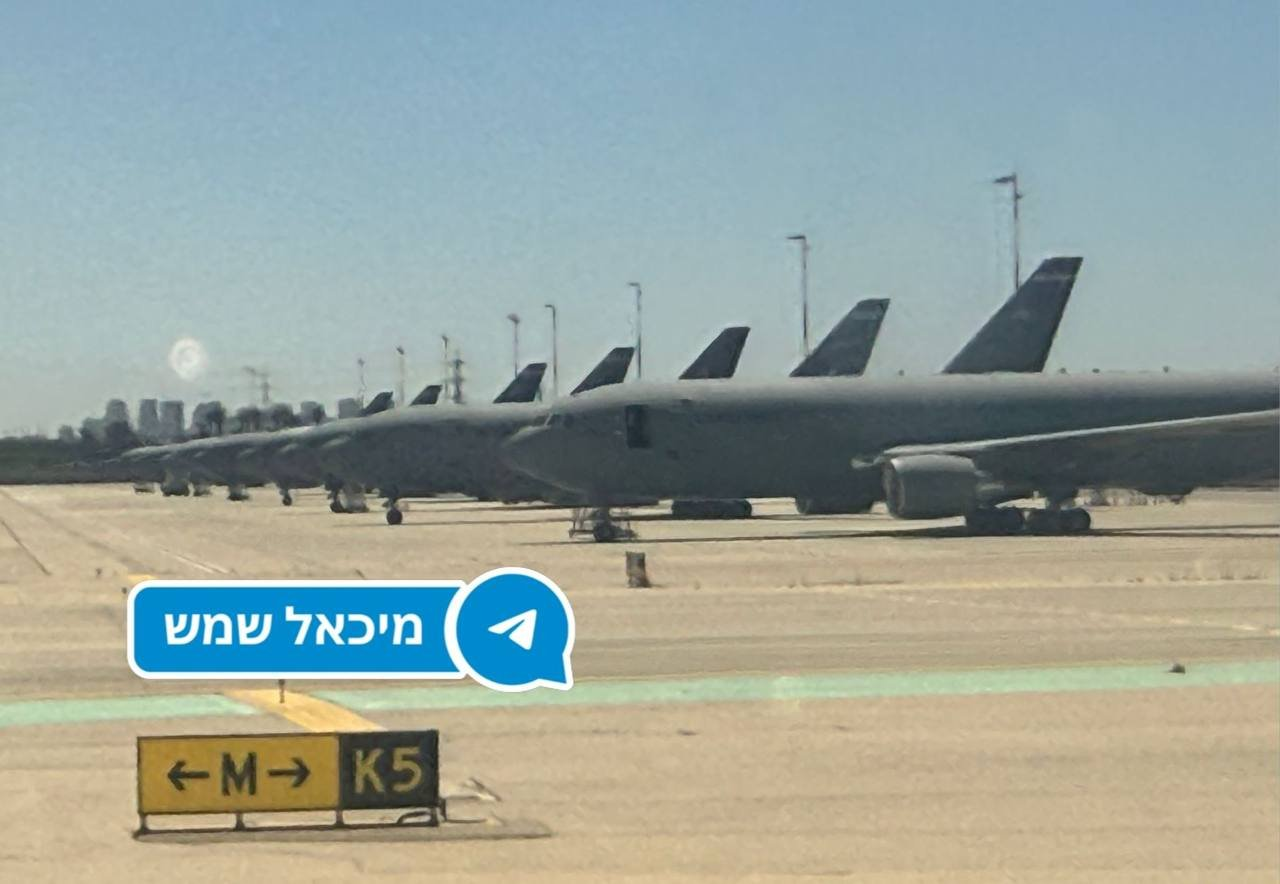
The Alpha is simple: ignore the "ceasefire" headlines and watch the refueling tankers. Logistics win wars. If you see dozen of refuelers stationed in Israel and a carrier 48 hours out, the decision has already been made.
We are entering an era of "Physical Interdiction." Whether it is boarding tankers in the Indian Ocean, shooting fast boats in Hormuz, or using physical drones to ram other drones, the "soft" power of electronic warfare and diplomacy is being replaced by the "hard" power of physical projectiles. If you want to know who is winning, look at who has the most efficient way to break the other guy's stuff. Right now, Ukraine is winning the industrial war, and the U.S. is preparing to finish the job in the Strait.