


There’s a character that shows up in every era of power. He doesn’t wear a crown. You won’t find them at the top of org charts. But nothing moves without them. Call them the broker. The fixer. The connector. The gatekeeper. We call them something more precisely:
The Access Merchant.
This is the individual who doesn’t necessarily own the system—but knows how to route it. He decides who gets in the room, who gets funded, who gets introduced, and who gets quietly cut out. Power doesn’t sit on his shoulders. It flows through his hands.
History is littered with them.
- Cardinal Richelieu: shaped royal decisions without wearing the crown.
- J. P. Morgan / Rothschild: stabilized markets not by law, but by leverage.
- Adnan Khashoggi: moved deals between governments that couldn’t publicly cooperate.
- Jeffrey Epstein: built dense networks of influence where proximity itself became currency.
Different eras. Same pattern.
The Access Merchant doesn’t dominate the visible layer of power. He operates in the wiring behind it.
The Old Model: Power Through Proximity
For most of modern history, access was enough.
If you could:
- Connect capital to opportunity
- Introduce decision-makers to each other
- Facilitate deals across political or financial boundaries
—you could build immense influence without ever producing anything tangible.
The late 20th century supercharged this model.
Globalization made supply chains invisible. Finance became abstract. Relationships became the ultimate currency. Entire fortunes were built on being “in the middle” of flows rather than owning the source.
It created a class of power brokers who believed access alone was durable.
It wasn’t.
The Break: When the System Stopped Being Soft
Not loudly. Not all at once. But decisively.
The assumption that the world would remain frictionless—that resources would always be available, that supply chains would always resolve, that capital could always substitute for production—is breaking down.
And when that assumption fails, something very old returns to the surface:
Constraint.
Energy constraints.
Material constraints.
Supply chain constraints.
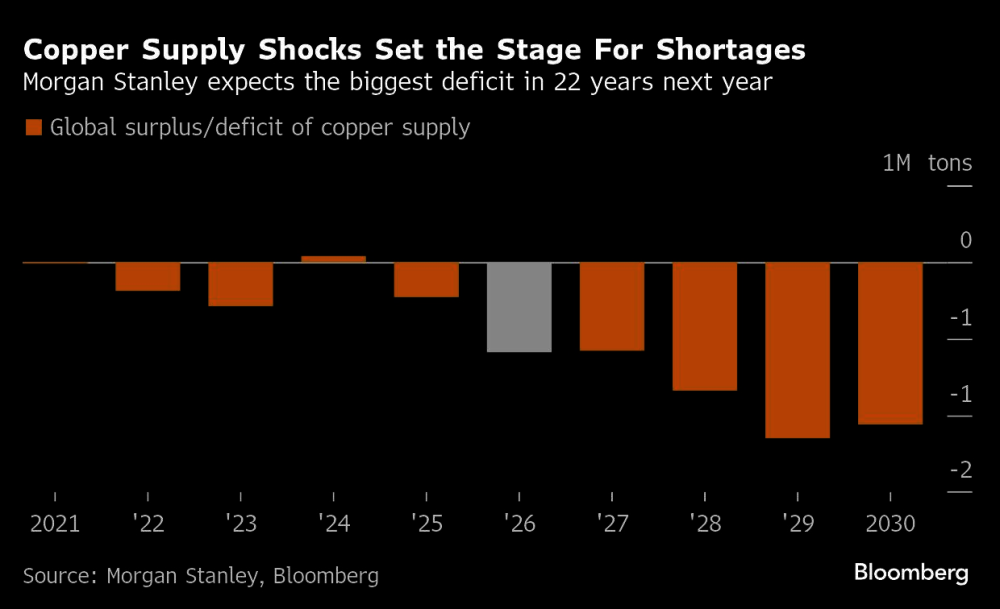
You can’t financial-engineer copper out of the ground.
You can’t network your way into silver production.
You can’t “access” what simply isn’t there.
The game has changed.
The New Gate: Critical Resources
We’ve entered a phase where power is reattaching to the physical layer.
Not narratives. Not derivatives. Not proximity.
Throughput.
- Who controls extraction
- Who controls refining
- Who controls transport
- Who controls delivery into defense, energy, and industrial systems
This is the terrain of CriticalWars.com.
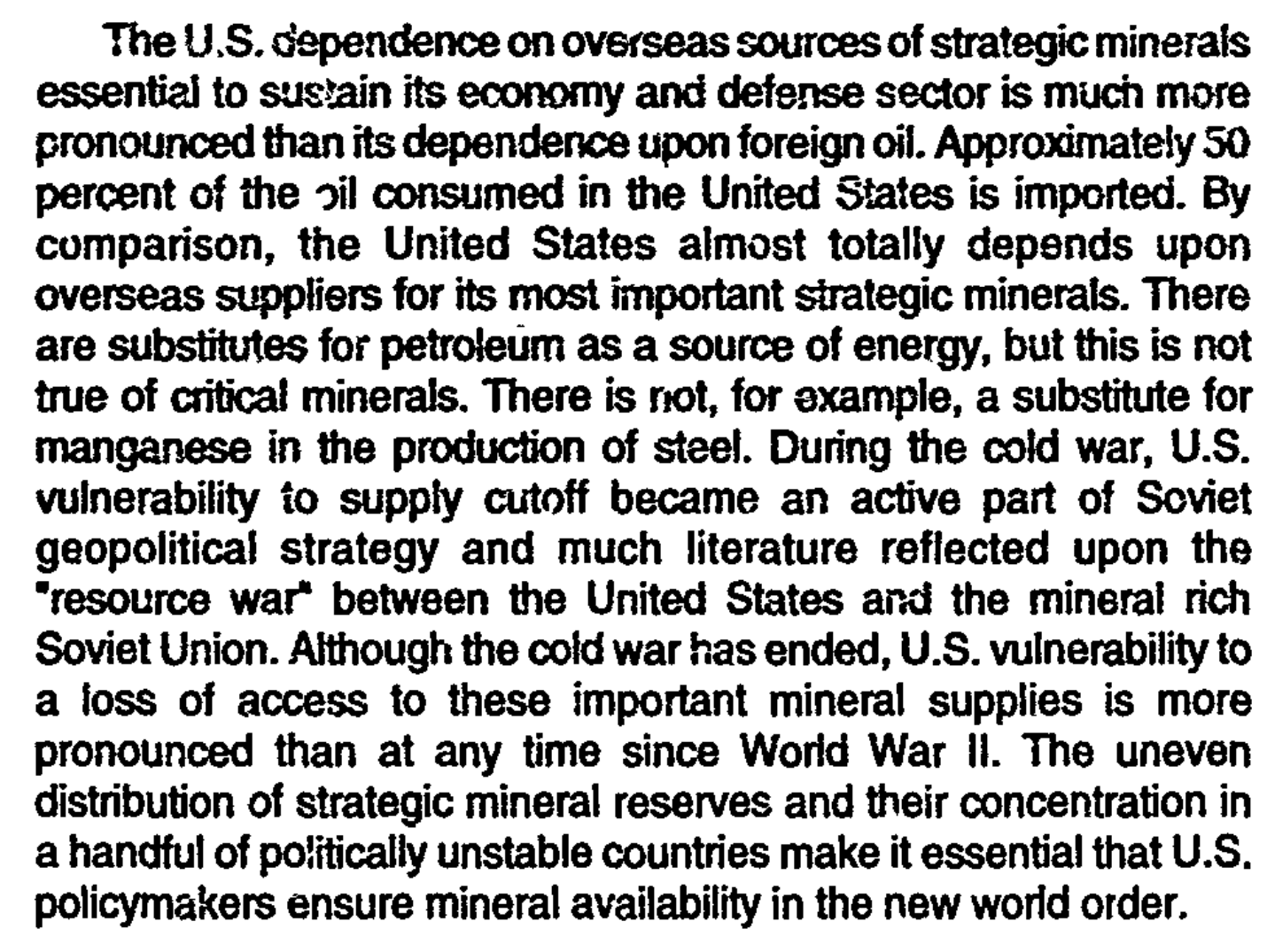
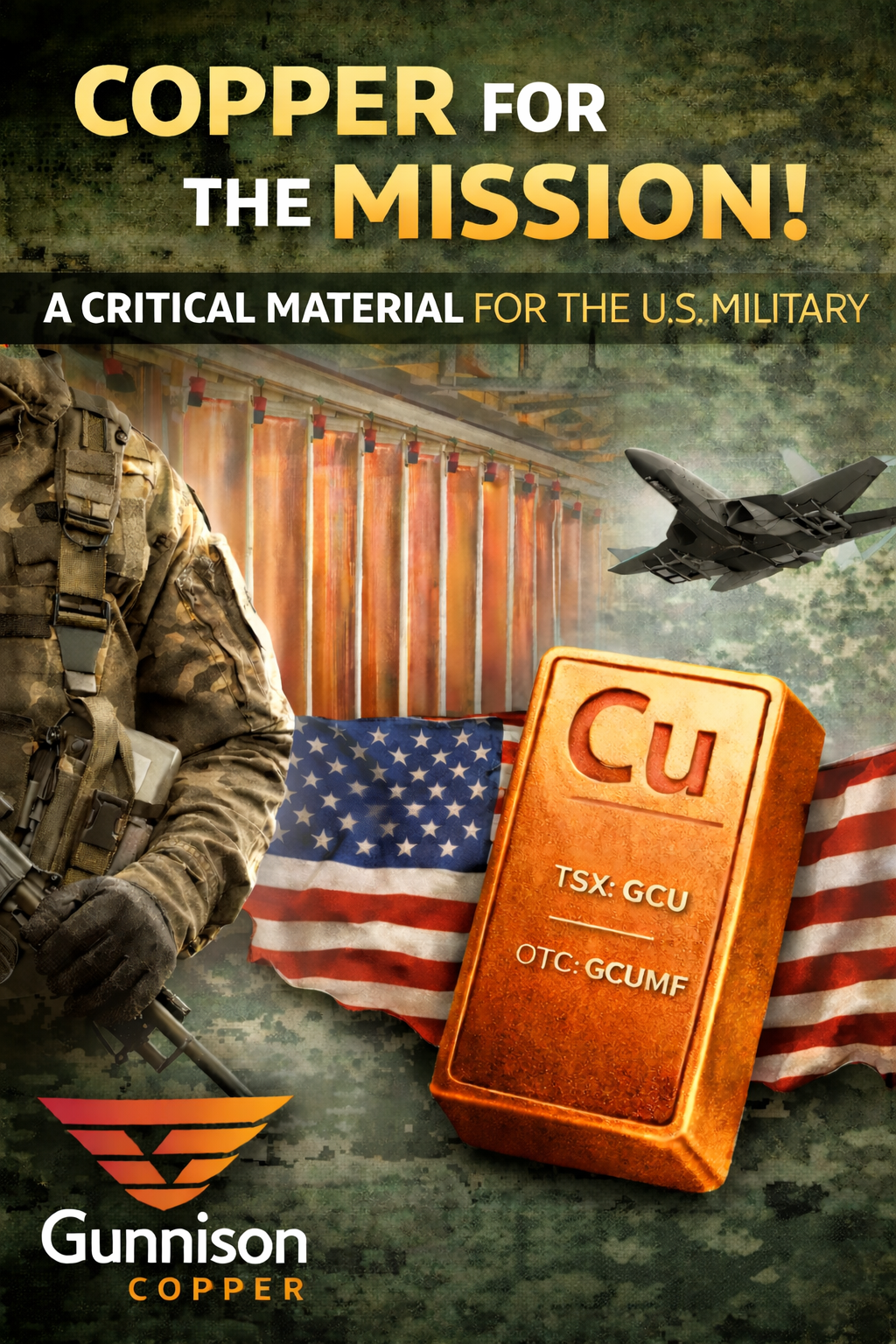
Silver isn’t just a metal—it’s conductivity, electronics, defense systems, medical applications. Copper isn’t just wiring—it’s electrification, infrastructure, grid stability. Antimony, rare earths, specialty inputs—these are not optional components. They are system dependencies.
In this environment, access without control is a liability. Because eventually, the system asks a very simple question:
Can you deliver?
The Rise of the Resource Sovereign
The next generation of power brokers will not look like the last. They won’t be known for who they know. They’ll be known for what they control.
- Mine operators.
- Refiners.
- Processors.
- Offtake holders.
- Strategic financiers tied directly to production.
These are the new Access Merchants—but upgraded. They don’t just connect the system. They anchor it. Their leverage comes from the fact that entire industries—and increasingly, governments—depend on their output. When you control something that cannot be substituted, delayed, or ignored, you don’t need to chase influence. Influence finds you.
The Split That’s Already Happening
This is where things get uncomfortable for legacy power structures. Because we are now entering a divergence.
Those aligned with critical resources:
- Gain pricing power
- Become strategically indispensable
- Influence policy by necessity, not lobbying
- Build durable, hard-asset-backed empires
vs.
Those still operating in the old model:
- Depend on fragile, external supply chains
- Mistake access for control
- Watch margins compress as inputs tighten
- Experience slow erosion masked as stability
What This Means for Real Gatekeepers
If you operate at the level of capital, strategy, or influence, the implications are immediate. This is no longer about being well-connected. It’s about being well-positioned.
- Do you know where your critical inputs originate?
- Do you have secured access—or assumed access?
- Are your relationships tied to production—or just to other intermediaries?
- Can your network terminate in physical delivery when it matters?
Because in the environment we’re moving into, unanswered questions like these don’t stay theoretical. They become constraints.
The Evolution of the Access Merchant
The archetype isn’t disappearing. It’s evolving. Alpha > Omega.
- Connector of people > Controller of systems
- Social leverage > Material leverage
The new Access Merchant doesn’t just open doors. And when access fails, the state steps in.
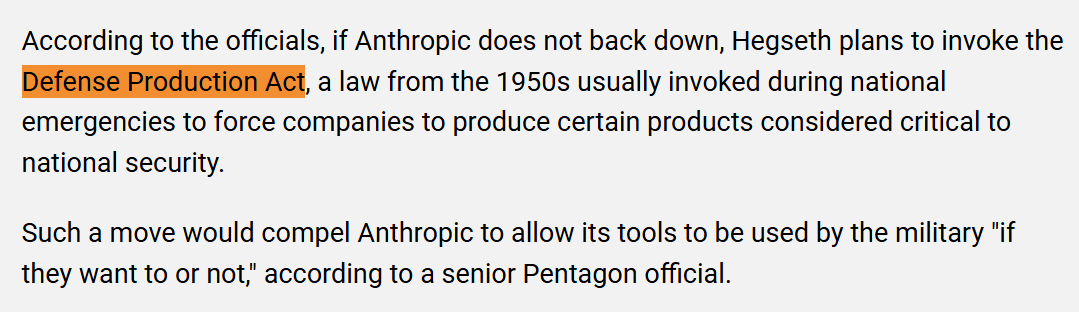
Recent signals out of Washington make the direction clear. Under the Defense Production Act, companies operating within U.S. jurisdiction can be compelled to prioritize government demand in the name of national defense. Participation is no longer purely optional. It can be mandated. In that environment, “supply chain risk” becomes more than a label—it becomes a trigger for intervention.
But there is a gap forming between capital and reality.
[Side A]: capital, institutions, and power brokers seeking exposure to critical resources.
[Side B]: the projects and operators who actually control extraction, processing, and delivery.
That gap is no longer being bridged by legacy intermediaries. It’s being replaced by a new layer—direct, intelligence-driven, resource-aligned.
This is where SilverWars has positioned. Not as participants but as a routing layer between capital and critical resource control. In a world where currency can be printed, narratives can be spun, and markets can be engineered, the only thing that ultimately matters is control over what cannot be fabricated.
And those who secure it won’t just participate in the next era.
They’ll define it.